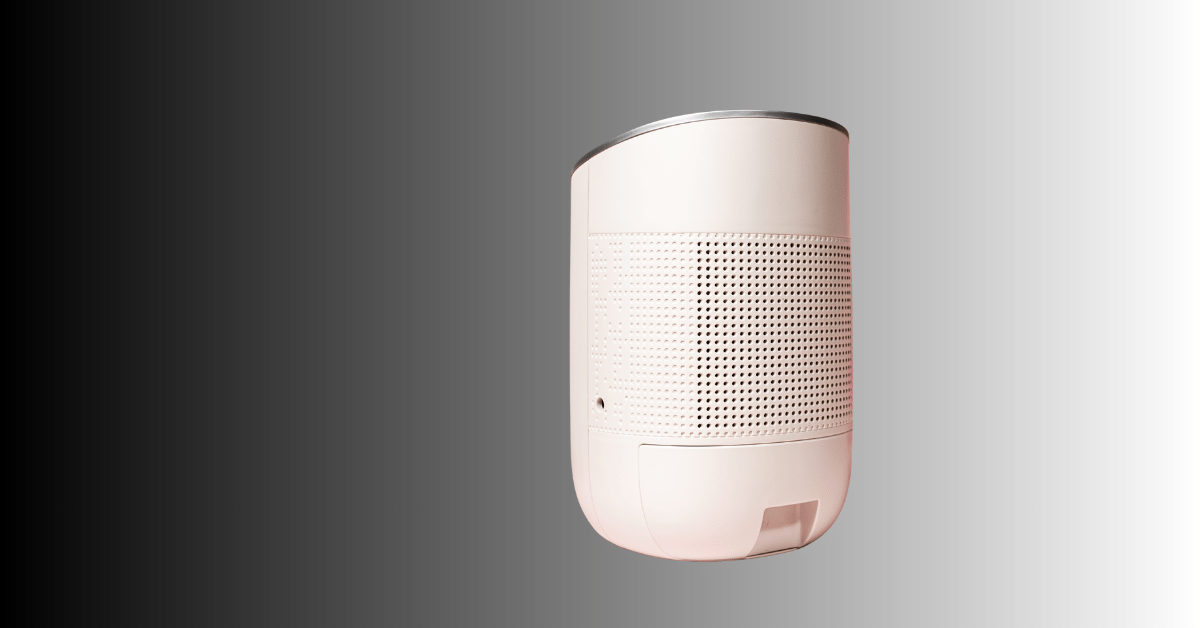
Understanding the Humidifier vs Dehumidifier for Bedroom: Key Differences Explained
Picking between a humidifier and a dehumidifier can feel confusing. Both deal with water in the air. But they do the opposite jobs. One adds moisture. The other removes it. In a bedroom, the right one depends on your room, your health, and even your weather.
If you wake up with a dry throat, you might need more moisture control in the form of a humidifier. If your room feels damp and smells musty, a dehumidifier might be the better move. Either way, better indoor air quality can mean better sleep and more comfort.
Humidifier vs Dehumidifier for Bedroom: Key Differences Explained
Here is the simple difference.
A humidifier raises humidity. It adds water vapor to the air. This can help when the air is too dry, especially in winter or in rooms with heating.
A dehumidifier lowers humidity. It pulls water out of the air and collects it in a tank. This helps when the air is too wet, like during monsoon season, rainy months, or in rooms with poor air circulation.
Both can support home comfort solutions. But only if you use the right one for the problem.
Related Article: 5 Key Differences in Dehumidifier with Pump vs No Pump You Need to Know
The Importance of Indoor Air Quality
Your bedroom is where you spend many hours. If the air is off, you feel it fast. Poor indoor air quality can make you wake up tired. It can also trigger sneezing, coughing, and itchy eyes.
Indoor air is not just about dust. Humidity plays a big role, too. Too much moisture can invite mold and dust mites. Too little moisture can dry out your nose and throat. That is why humidity is part of asthma management and allergy relief for many people.
Small changes in your bedroom can improve how you feel. Better air circulation. Cleaner bedding. And keeping humidity in a healthy zone.
How Humidity Affects Air Quality
Humidity changes how the room feels and how the air behaves. When humidity is high, the air feels heavy. Sweat does not dry easily. Some rooms start smelling stale. If there is poor air circulation, the damp air can sit there all day.
High humidity can also support mold growth. Mold prevention becomes harder if walls, windows, and corners stay wet. You may also notice condensation issues on glass or near air conditioners.
When humidity is low, the air can feel sharp and dry. You may wake with a scratchy throat. Your skin can feel itchy. Some people get nosebleeds. This can affect sleep quality improvement because you keep waking up.
Humidity does not “create” dust, but it can change how dust and allergens behave in your room.
Health Benefits of Proper Humidity Levels
When humidity is balanced, breathing often feels easier. Your nose stays less irritated. Your throat feels calmer. This can support allergy relief and asthma management for some people.
Proper humidity also helps your body rest. You sweat less when the humidity is not too high. And you feel less dry when the humidity is not too low.
There are also health benefits of humidifiers for people who suffer in dry air. But there are also health benefits of dehumidifiers when dampness is the problem. The key is using the right tool.
Related Article: Does running a dehumidifier help the air conditioner
What is a Humidifier?
A humidifier is a device that adds moisture to the air. It can be a small bedside unit or a bigger room model. Some make visible mist. Some do not.
The main goal is comfort in dry air. It is a moisture control tool, just in the “add moisture” direction.
Functionality and Benefits
A humidifier works by turning water into vapor or mist and releasing it into the room. There are different types, like cool mist and warm mist. But the result is the same. Humidity goes up.
Benefits people often notice:
- Less dry throat in the morning
- Less dry nose and fewer nose cracks
- Less static shock
- Skin feels less tight.
- Air feels softer
This can help improve sleep quality, especially if dryness is waking you up. It can also support indoor air quality in a dry climate because it reduces irritation.
But it must be kept clean. A dirty humidifier can smell bad and may spread germs. Cleaning is not “extra.” It is part of safe use.
Ideal Situations for Humidifier Use
A humidifier is best when your room is too dry. This often happens when:
- You run the heating often in winter.
- You live in a dry climate.
- The AC dries the air too much.
- You wake up with a dry mouth or a sore throat.
- You see lots of static and dry skin.
Humidifiers can also help if you have a cold and your nose feels blocked due to dryness. But do not overdo it. Too much humidity can flip the problem. Then you start needing mold prevention.
So yes, humidifier use is helpful. But only when the room is dry.
Related Article: Is a Humidifier or Dehumidifier for Asthma the Best Choice for You?
Impact on Allergy Relief and Asthma Management
Humidity can affect allergies and asthma, but it is a bit tricky. People often think that more moisture is always better. That is not always true.
In dry air, your nose and throat get irritated. That can make asthma symptoms feel worse for some people. A humidifier can calm dryness. This can support asthma management.
But if you raise the humidity too high, dust mites and mold may grow faster. That can hurt allergy relief. It can also trigger asthma for some people.
So the sweet spot matters. A humidifier helps when it brings you back into a comfortable humidity range, not when it turns your bedroom into a damp room.
What is a Dehumidifier?
A dehumidifier removes moisture from the air. It pulls humid air in, cools it, and collects the water. Then it pushes drier air back out.
This is one of the most useful home comfort solutions for damp bedrooms. Especially in rainy seasons, coastal areas, or rooms that do not get enough sunlight.
Functionality and Benefits
A dehumidifier works like this:
- It pulls in humid air.
- It removes water from the air.
- It collects water in a tank or drains it out.
- It releases drier air into the room.
Benefits you may notice:
- Less musty smell
- Less “sticky” feeling at night
- Fewer condensation issues on windows
- Better mold prevention over time
- Some people breathe easier at night.
This can improve indoor air quality because many dampness problems are air problems too. And it can support sleep quality improvement because the room feels cooler and less humid.
Ideal Situations for Dehumidifier Use
A dehumidifier is best when the room is too humid. Signs include:
- Damp smell
- Wet bathroom-like feeling
- Clothes and towels are taking too long to dry.
- Condensation issues on windows
- Visible mold spots
- You wake up sweaty even when it is not hot.
It is also useful if your bedroom is on the ground floor or near a basement. Or if your room has weak air circulation.
In these cases, moisture control is not optional. It is part of keeping the room healthy.
Role in Mold Prevention and Condensation Issues
Mold prevention is one of the biggest reasons people buy a dehumidifier. Mold loves moisture. If humidity stays high, mold can grow on walls, behind furniture, and near window frames.
Condensation issues are another big clue. If water collects on windows in the morning, humidity may be high. If you ignore it, mold can show up later.
A dehumidifier helps by lowering humidity, so mold has less chance to grow. It will not fix a leak. But it can reduce dampness from the weather and poor airflow.
For better mold prevention, also improve air circulation. Open doors sometimes. Use a fan. Do not push furniture tight against cold walls. Small airflow changes help a lot.
Related Article: Can Humidifiers Really Help with Allergies? Discover the Truth
Comparing Energy Efficiency
People worry about energy efficiency. That is fair. These devices can run for hours. But energy use depends on the type, size, and how you use it.
The best move is to avoid running anything nonstop if you do not need to. Use settings. Use timers. Use a humidity meter. Smart moisture control improves energy efficiency, too.
Energy Consumption of Humidifiers
Most small humidifiers use less power than dehumidifiers. Many are just a fan plus a mist system. But warm mist models can use more electricity because they heat water.
Tips to improve energy efficiency with humidifiers:
- Use it only when the humidity is low.
- Keep doors and windows closed while it runs.
- Clean it so it works properly.
- Use the lowest setting that keeps you comfortable.
- Stop it once you reach the comfortable humidity range.
Also, do not run it in a room that is already humid. That wastes power and can cause mold problems.
Energy Consumption of Dehumidifiers
Dehumidifiers often use more power because they use a compressor or cooling system. Think of them like a small fridge running in your room.
But they can still be energy smart if used correctly:
- Choose the right size for your bedroom.
- Use a humidistat so it turns off when the target is reached.
- Keep filters clean for better airflow.
- Close windows so it is not fighting outdoor humidity.
- Improve air circulation so it works faster.
A dehumidifier that runs forever is usually a sign of a bigger issue. It could be a leak, poor sealing, or the unit is too small.
Finding the Right Moisture Control Solution
This is the real question. Which one do you need? A humidifier or a dehumidifier for bedroom use.
The answer is not about the device name. It is about your symptoms and your room signs. Good moisture control starts with noticing what is happening in your space.
Signs You Need a Humidifier
You likely need a humidifier if:
- Your throat feels dry in the morning.
- Your nose feels dry or irritated.
- You get static shocks often.
- Your skin feels itchy at night
- You run heating, and the room feels “dry hot.”
- You have a dry cough that feels worse in bed.
A humidifier can support the health benefits of humidifiers when dryness is the main issue. It can also help improve sleep quality because you stop waking due to irritation.
But keep it clean. And do not push humidity too high.
Related Article: Are Evaporative Humidifiers Better for Your Home?
Signs You Need a Dehumidifier
You likely need a dehumidifier if:
- Your bedroom smells musty.
- You see condensation issues on windows.
- Corners or ceilings show mold spots.
- The room feels sticky and heavy.
- Clothes feel damp in cupboards.
- Allergies feel worse in a damp room
A dehumidifier helps prevent mold by reducing moisture in the air. It can also help with allergy relief if dust mites and mold are part of your triggers.
Again, also work on air circulation. That helps the unit do its job faster.
Related Article: How to choose the right dehumidifier for whole house use
The Comfortable Humidity Range for Bedrooms
Most people feel best in a comfortable humidity range around 40% to 50%. Some people like it slightly lower or higher. But this range is a good target for indoor air quality and comfort.
Here is a simple guide:
- Below 30% often feels too dry.
- Above 60% often feels too damp
- 40% to 50% is usually the sweet spot
If you can, use a small humidity meter. It helps you stop guessing. It also improves energy efficiency because you run devices only when needed.
Related Article: Top Benefits of Installing a Whole House Dehumidifier
| Category | Humidifier | Dehumidifier |
|---|---|---|
| Primary Purpose | Adds moisture into the air to raise indoor humidity. | Removes moisture from the air to lower indoor humidity. |
| How It Works | Emits water vapor/steam into the air (cool‑mist or warm‑mist). | Pulls air in, condenses water out, and stores it in a tank. |
| Ideal Humidity Condition for Use | When relative humidity (RH) is too low (often < ~30%). | When relative humidity (RH) is too high (> ~50‑60%). |
| Common Bedroom Indicators | – Dry throat or nose- Dry skin or itchy eyes- Static electricity- Nosebleeds | – Musty or damp smell- Condensation on windows- Mold spots- Air feels “heavy” |
| Typical Health Benefits | – Eases dry air irritation (sinuses, throat, lips). – May help with cold symptoms and dry coughs. | – Reduces dust mites and mold allergens that thrive in damp air. – Can improve comfort in humid conditions. |
| Potential Risks if Misused | – Over‑humidifying can promote mold & dust mites if RH goes too high. – Poor cleaning can disperse bacteria. | – Using in already dry air may worsen dryness symptoms (dry skin, irritated eyes). – Requires frequent emptying/maintenance. |
| Seasonal Use Trend | Often used in winter / dry climates to prevent overly dry air. | Often used in summer / humid climates to control moisture. |
| Typical Room Effect | Makes air feel more moist and potentially slightly warmer. | Makes air feel less damp and can help reduce perceived heat. |
| Best for Specific Conditions | Dry skin, dry throat, static, cold‑air discomfort. | Mold/mildew prevention, musty odors, allergy triggers in humid air. |
| Maintenance Needs | Clean tank frequently to prevent microbial growth. | Empty water tank / clean filters regularly. |
| Tools to Decide Use | Hygrometer — measures exact indoor humidity. | Hygrometer — confirms high humidity needing reduction. |
| Example Symptoms Before Use | Dry nasal passages, sore throat at night. | Musty odor, visible condensation on walls. |
| Impact on Sleep Comfort | Can improve comfort in dry conditions by softening air. | Can improve comfort by preventing humidity‑related discomfort. |
| Typical Drawbacks | Needs distilled water to prevent mineral dust. | Can be noisy and uses some electricity. |
FAQ Section: Humidifier vs Dehumidifier for Bedroom
-
What’s the difference between a humidifier and a dehumidifier?
A humidifier adds moisture to the air, making it ideal for dry environments. It helps with dry skin, allergies, and sleep quality. A dehumidifier, on the other hand, removes excess moisture from the air, helping with mold prevention, condensation issues, and improving indoor air quality in humid conditions.
-
When should I use a humidifier in my bedroom?
You should use a humidifier in your bedroom when the air is too dry, especially in winter or in dry climates. If you experience dry skin, irritated sinuses, or difficulty breathing while sleeping, a humidifier can help maintain the right moisture levels.
-
When should I use a dehumidifier in my bedroom?
Use a dehumidifier in your bedroom if you live in a humid climate or if you notice mold growth, musty odors, or condensation on windows. Dehumidifiers are great for preventing mold and improving air quality by removing excess moisture from the air.
-
Can a humidifier improve sleep quality?
Yes, a humidifier can help improve sleep quality. By adding moisture to the air, it can prevent dryness in your throat and nasal passages, making breathing easier and reducing irritation. This can lead to better sleep, especially during colder months when the air tends to be drier.
-
How does a dehumidifier prevent mold?
A dehumidifier reduces the moisture in the air, making it harder for mold and mildew to grow. Mold thrives in damp, humid environments, so by lowering the humidity in your bedroom, a dehumidifier helps prevent mold and mildew buildup, protecting both your health and your home.
-
Will using a humidifier help with allergy relief?
Yes, a humidifier can provide allergy relief by adding moisture to the air, which can ease symptoms like dry throat and nasal congestion. This is especially beneficial for people with seasonal allergies or dry air conditions that aggravate allergy symptoms.
-
Does a dehumidifier help with asthma management?
Yes, a dehumidifier can aid in asthma management. Excess humidity can trigger asthma symptoms and make breathing difficult. By reducing moisture in the air, a dehumidifier can help create a more comfortable environment for people with asthma, preventing allergen buildup such as mold and dust mites.
-
Which is more energy-efficient, a humidifier or a dehumidifier?
In general, humidifiers tend to use less energy than dehumidifiers because they only add moisture to the air. However, both types of appliances can be energy-efficient depending on the model and usage. Look for energy-efficient units to reduce electricity costs while maintaining comfort.
-
What is the ideal humidity range for a bedroom?
The ideal humidity range for a bedroom is between 30% and 50%. This range helps maintain comfortable humidity, improves air circulation, prevents mold growth, and promotes better sleep quality. Using a humidifier or dehumidifier helps maintain this range, depending on whether your room is too dry or too humid.
-
Can I use a humidifier and dehumidifier together in the same room?
Yes, it’s possible to use both a humidifier and dehumidifier in the same room, but they serve different purposes. Use a humidifier when the air is too dry, and a dehumidifier when the air is too humid. However, using both at the same time may cause energy inefficiency, so it’s best to choose based on the current humidity needs of your room.
Related Article: Whole house dehumidifiers -installation guide-2026
References:
- (Healthline)
- .Healthline
- (Wikipedia)
- (goairflow.com)
- (Sleep & Sinus Centers)
- (Woman & Home)
- (Medical News Today)
- (Sleep Foundation)
- Medical News Today)
- (Wikipedia)
- (Ideal Home)
- (bhg.com)
- (Ideal Home)