Can you sleep with a dehumidifier on in the bedroom? What You Need to Know!
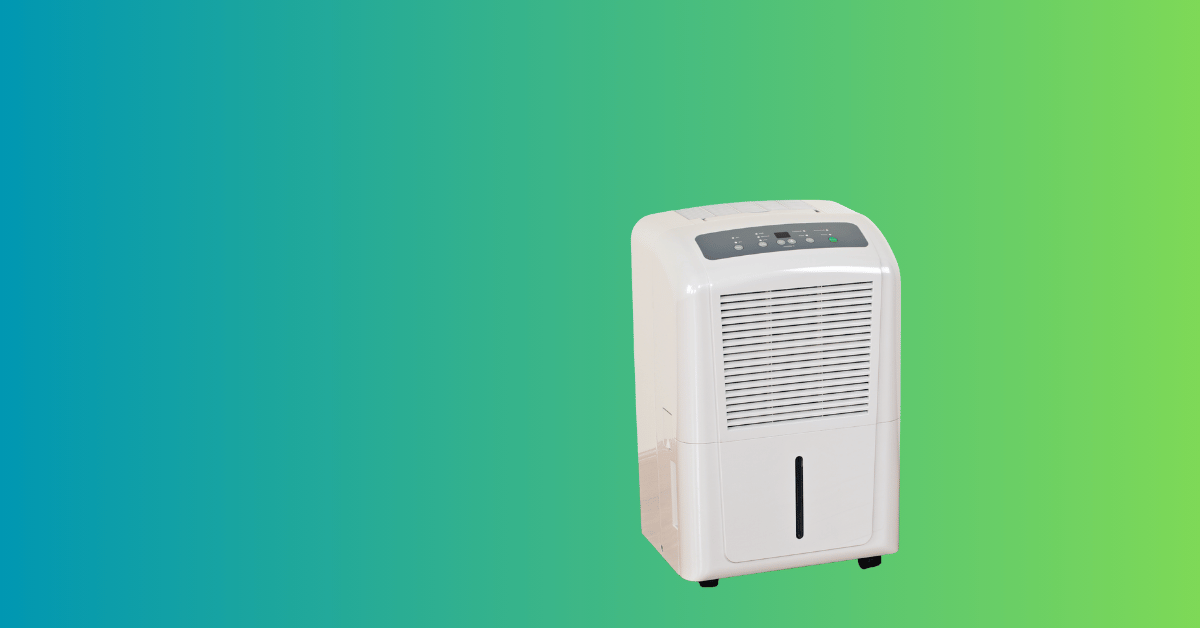
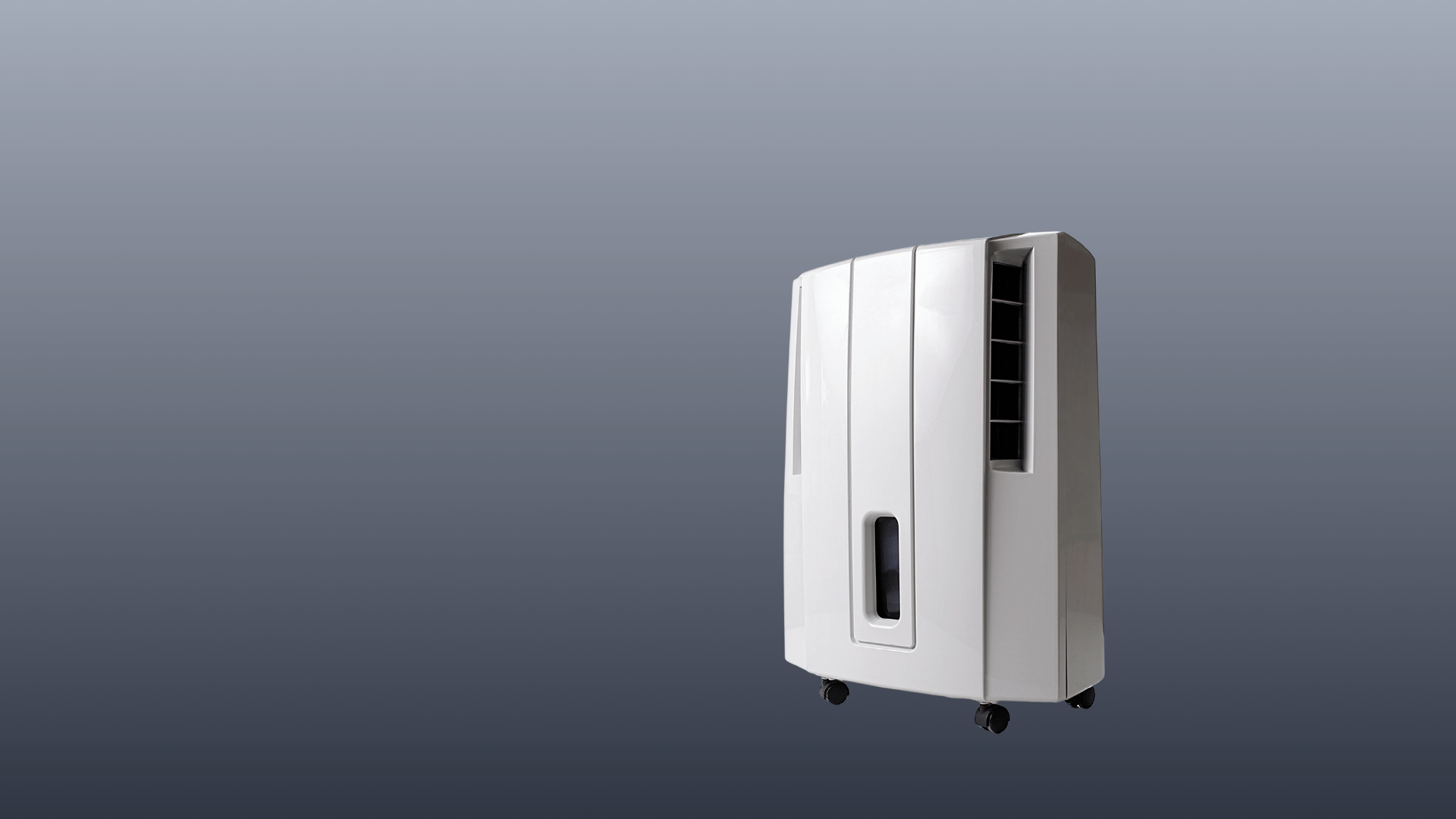
Yes, in most cases, you can sleep with a dehumidifier on in the bedroom. Many people do it every night. It can help with sticky air, musty smells, and even allergies. But you should use it the right way. The biggest things to watch are noise, dryness, and safe placement.
If your room feels damp or you see mold spots, a dehumidifier can be a real sleep helper. If your room is already dry, running it all night can make you feel worse. The goal is balance. Good bedroom air quality comes from keeping the humidity in a healthy range, not making the air super dry.
Can you sleep with a dehumidifier on in the bedroom? is it safe ? lets know the more in detail.
Sleeping with a dehumidifier on is usually safe if:
- The unit is in good condition.
- The cord is not damaged.
- The water tank is not leaking.
- You keep it away from curtains, bedding, and walls.
- You do not block the air vents.
Most modern units are made for long hours. Many also have an auto shut-off when the tank is full. Some have a humidistat, which means it stops when it hits the target humidity. That is a big plus for safe overnight use.
One more thing. If you are a very light sleeper, noise matters. Some units hum, some click, and some sound like a small fan. That can affect sleep quality improvement. So the safe part is fine, but the comfort part depends on the model.
The Relation Between Humidity and Sleep
Humidity is the amount of water in the air. When it is too high, the air feels heavy. You might sweat more at night. Your sheets can feel a bit damp. Dust mites and mold also like humid rooms. That can hurt bedroom air quality.
When the humidity is too low, the air feels dry. You can wake up with a sore throat, dry nose, or itchy skin. Your lips may crack. Some people even start snoring more because their nose feels blocked.
So humidity affects sleep in both directions. The best sleep happens when the air feels “normal.” Not wet. Not dry. Just comfy.
The Perfect Humidity for Sleeping
The perfect humidity for sleeping is usually around 40% to 50% for most people. Some people feel fine a little lower or higher. But as a simple target, aim for 45%.
These are often called optimal humidity levels or optimal humidity levels for sleeping. If your humidity is above 60%, the room can feel damp. If it drops under 30%, the air can feel too dry.
If you want a clean rule:
- 30% to 50% is a common healthy range
- 40% to 50% is often the sweet spot for comfort
A small humidity meter is cheap and helpful. It tells you your current level. That makes your dehumidifier easier to control. You do not need to guess.
Signs of Unhealthy Humidity Levels
Here are simple signs your humidity is off.
Signs that humidity is too high.
- Musty smell in the room
- Condensation on windows
- Damp feeling on bedsheets
- Mold spots in corners or behind furniture
- More dust mites and allergy flare-ups
- You wake up sweaty even when it is not hot.
Signs that humidity is too low.
- Dry throat in the morning
- Dry eyes or itchy skin
- Static shocks
- Nose feels blocked or irritated.
- Cracked lips
If you notice the “too high” signs, a dehumidifier can really help. If you notice the “too low” signs, you may need to run it less or stop it at night.
Benefits of Sleeping with a Dehumidifier
Using a dehumidifier in your bedroom can have real benefits, especially in humid seasons or in rooms with poor airflow. It can support better breathing and better comfort at night.
Some benefits people notice:
- Less sticky air
- Less sweating
- Fresher smell
- Fewer allergy symptoms
- Fewer mold and mildew problems
But it only helps when the humidity is truly high. If your humidity is already fine, it might not add much. And if it makes the air too dry, it can backfire.
Sleep Quality Improvement
High humidity can mess with sleep. You can feel hot and restless. Your body struggles to cool down. That can cause more waking up and lighter sleep.
A dehumidifier can help improve sleep quality by making the room feel cooler and less humid. It can also reduce nasal stuffiness for some people, especially when mold or dust mites are part of the problem.
Still, sleep quality is not only about humidity. Noise matters too. If the machine is loud, it can hurt your sleep even if the air feels better. In that case, try:
- A quieter “sleep mode” unit
- Running it for a few hours before bed
- Using a timer so it turns off after you fall asleep
That way, you get comfort without the sound all night.
Enhanced Bedroom Air Quality
Bedroom air quality gets worse when dampness stays around. Mold spores can grow. Dust mites multiply faster in humid air. Even the smell of the room can feel stale.
A dehumidifier can improve bedroom air quality by lowering moisture. This makes it harder for mold and dust mites to live. People with allergies often notice this the most. Less dampness often means fewer triggers.
Just keep in mind. A dehumidifier does not “clean” air the same way an air purifier does. It controls moisture. That is still important, but it is a different job. Some homes need both.
Related Article: Top Benefits of Installing a Whole House Dehumidifier
Choosing the Right Dehumidifier
Choosing the right unit is a big deal. Especially for a bedroom. You want comfort, not a noisy box.
Look for these features:
- Low noise rating (great for sleeping)
- Humidistat (sets a target like 45%)
- Auto shut-off (when tank is full)
- Timer (run 2 to 6 hours then off)
- Easy-to-clean filter
- Right size for your room
Size matters. If you buy a unit that is too strong, it may dry the room too much. If it is too weak, it will run nonstop and still not help much.
A good tip is to check the room size rating and the pint per day number. Bigger rooms usually need more capacity.
Related Article: How to choose the right dehumidifier for whole house use
Best Dehumidifiers for Bedroom Use
When people search “best dehumidifiers for bedroom,” they usually mean 3 things:
- quiet
- safe to run at night
- works fast enough to actually lower humidity
For bedroom use, these types often work well:
Small to medium bedroom
- Compact units with a quiet fan
- Units with sleep mode
- Units with a built-in humidistat
Humid bedroom or basement bedroom
- Larger capacity units
- Stronger moisture removal
- Better drainage options (some can use a hose)
What to avoid in bedrooms:
- Very loud compressor models (unless you run them before bed)
- Units without auto shut-off (risk of overflow if you forget)
The best model depends on your room humidity and how you sleep. If you wake easily, choose the quietest one you can.
Related Article: Comparing Whole House vs. Portable Dehumidifiers
Comparing Features: Air Purifiers vs Dehumidifiers
People often ask about air purifiers vs dehumidifiers. They sound similar, but they do different things.
Dehumidifier
- Removes moisture from the air
- Helps with damp smells, mold risk, and dust mites
- Supports optimal humidity levels
Air purifier
- Filters particles in the air
- Helps with dust, smoke, pollen, and pet dander
- Often uses HEPA filters.
So which one helps more? It depends on your problem.
- If your room is damp, smells musty, or has a mold risk, pick a dehumidifier.
- If your room has dust, smoke, or allergies from pollen, pick an air purifier.
- If you have both problems, you may need both for bedroom air quality.
They can work together nicely. But do not expect a dehumidifier to remove smoke or fine dust. And do not expect an air purifier to stop mold growth if humidity stays high.
Related Article: Is a Humidifier or Dehumidifier for Asthma the Best Choice for You?
Maintaining Your Dehumidifier
If you run a unit in a bedroom, maintenance matters. A dirty machine can smell bad. It can even push weird odors into the room. That hurts bedroom air quality instead of helping it.
Basic care keeps it working well and keeps the air fresher.
Here are easy habits:
- Empty the tank daily if you run it a lot.
- Wipe the tank with mild soap sometimes.
- Clean the air filter on schedule.
- Keep the back and sides clear for airflow.
- Check for dust buildup on vents.
Good care also helps the machine last longer. And it keeps performance steady.
Dehumidifier Maintenance Tips
Simple dehumidifier maintenance tips you can actually follow:
- Every few days: Empty tank. Rinse quickly. Dry it.
- Once a week: Wipe inside the tank. This helps stop slime and smell.
- Every 2 to 4 weeks: Clean the filter if it is washable.
- Every month: Check vents for dust and lint.
- Every season: Deep clean if you use it daily.
If you notice a sour smell, clean the tank and filter. That is usually the cause.
Also, place it on a flat surface. Keep it a bit away from the wall. This helps airflow and lowers strain.
Related Article: Maintenance Tips for Your Dehumidifier System
Frequency of Filter Changes
Filter change timing depends on the model. Some filters are washable. Some need replacing.
A simple guide:
- If washable, clean every 2 to 4 weeks.
- If replaceable: change every 3 to 6 months (or as the manual says)
If your home is dusty, has pets, or you run it daily, you may need to clean or change more often.
A clogged filter makes the unit louder and weaker. It can also reduce sleep quality because it takes longer to do the same job.
Can you sleep with a dehumidifier on in the bedroom?
So yes, you can sleep with a dehumidifier on in the bedroom. For many people, it helps a lot. It can improve comfort, reduce damp smells, and support better bedroom air quality.
Just aim for the perfect humidity for sleeping. Keep it around 40% to 50%. Do not over-dry the room. Choose a quiet unit, use a humidistat or timer, and follow dehumidifier maintenance tips so it stays clean and safe.
FAQs-Can you sleep with a dehumidifier on in the bedroom?
Is it safe to sleep with a dehumidifier on all night?
Usually, yes, it is safe if the unit is working properly and placed safely. Keep it away from bedding and curtains. Use auto shut-off and a humidistat if possible. If it makes your throat dry, lower the run time or raise the target humidity.
How does humidity affect my sleep quality?
High humidity can make you feel hot, sweaty, and restless. Low humidity can dry your nose and throat. Both can reduce comfort. Keeping optimal humidity levels, often around 40% to 50%, can support better sleep.
Can a dehumidifier help with allergies in my bedroom?
Yes, it can help, especially if the humidity is high. Lower moisture can reduce dust mites and mold growth. That can improve bedroom air quality. But if your allergy trigger is dust or pollen in the air, you may also need an air purifier. This is why people compare air purifiers vs dehumidifiers. They fix different problems.
Is it safe to sleep with a dehumidifier on all night?
You worry it might be unsafe or dry the air too much while you sleep.
In most homes, it is safe. It can even support better bedroom air quality if the humidity is high.
Action:
In most homes, it is safe. It can even support better bedroom air quality if the humidity is high.
Action:
- Set a target of 40% to 50% for the perfect humidity for sleeping.
- Use a unit with an auto shut-off and a humidistat.
- Keep it 2 to 3 feet away from the bed, curtains, and walls.
- If you wake up with a dry throat, raise the target humidity or use a timer.
How does humidity affect my sleep quality?
Problem: You wake up sweaty, stuffy, or you sleep lightly and keep turning.
Promise: Getting optimal humidity levels can make the room feel calmer and help improve sleep quality.
Action:
Promise: Getting optimal humidity levels can make the room feel calmer and help improve sleep quality.
Action:
- If your room feels damp, aim for 45% humidity.
- Use a small humidity meter to check your levels.
- Run the dehumidifier 2 to 4 hours before bed if noise bothers you.
- If the humidity drops under 30%, reduce use. Dry air can also disturb sleep.
Can a dehumidifier help with allergies in my bedroom?
Problem: You sneeze at night, feel congested, or wake up with itchy eyes.
Promise: A dehumidifier can help if your allergies are linked to damp air, mold, or dust mites. This improves bedroom air quality.
Action:
Promise: A dehumidifier can help if your allergies are linked to damp air, mold, or dust mites. This improves bedroom air quality.
Action:
- Keep humidity under 50% to reduce dust mites and mold.
- Clean the water tank weekly and follow dehumidifier maintenance tips.
- If your issue is dust, smoke, or pollen, you may need an air purifier too. That is the main difference between air purifiers and dehumidifiers.
What is the perfect humidity for sleeping in a bedroom?
Problem: You do not know the right number. You do not want the air too wet or too dry.
Promise: Hitting the sweet spot makes your room feel more comfortable and stable at night.
Action:
Promise: Hitting the sweet spot makes your room feel more comfortable and stable at night.
Action:
- The best range for most people is 40% to 50%.
- Start with 45% and adjust based on how you feel.
- If you get a dry nose or throat, go a bit higher.
- If you see condensation on windows, go lower.
Should I choose an air purifier or a dehumidifier for bedroom air quality?
Problem: You want clean air, but you do not know which one actually fixes your issue.
Promise: Picking the right one saves money and gives faster results.
Action:
Promise: Picking the right one saves money and gives faster results.
Action:
- Choose a dehumidifier if the room is damp, musty, or has mold risk.
- Choose an air purifier if your problem is dust, pet hair, smoke, or pollen.
- If you have both problems, use both. This is why air purifiers vs dehumidifiers is not a one or the other thing.
How often should I clean it and change the filter?
Problem: A dirty unit can smell bad and make bedroom air quality worse.
Promise: Simple upkeep keeps it safe, quiet, and strong.
Action:
Promise: Simple upkeep keeps it safe, quiet, and strong.
Action:
- Empty and rinse the tank every 1 to 3 days if you use it daily.
- Wipe the tank weekly.
- Clean the filter every 2 to 4 weeks if washable.
- If replaceable, follow the brand guide. Many are 3 to 6 months.
This is one of the easiest dehumidifier maintenance tips that most people skip.
I’ll browse the web to pull together the best current health guidance, practical guides, and any recent news about sleeping with dehumidifiers, including humidity targets, safety, and allergy/mold considerations, with links and citations.
Resources:
- (US EPA)
- (CDC)
- (U.S. Consumer Product Safety Commission)
- (Consumer Reports)
- (Sleep Foundation)
- (Canada)
- (Sleep Foundation)
- US EPA)
- (U.S. Consumer Product Safety Commission)
- (CDC)
- (US EPA)
- (Asthma and Allergy Foundation of America)
- (childrensmercy.org)
- (U.S. Consumer Product Safety Commission)
- (AP News)
- (Consumer Reports)
- (U.S. Consumer Product Safety Commission)
- (Cleveland Clinic)
- (Ideal Home)
- (ENERGY STAR)
- (products.geappliances.com)
- (owner.frigidaire.com)
- (Midea)
- AP News
- Woman & Home