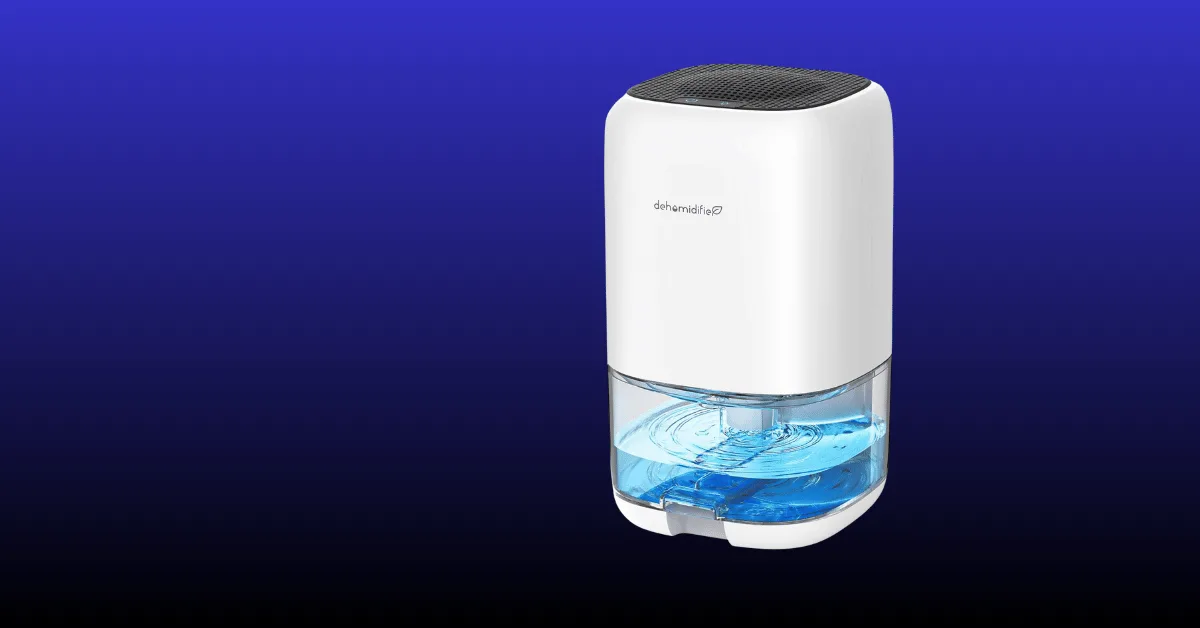
Benefits of a Whole House Dehumidifier with Pump
If your home feels damp, smells musty, or you keep seeing wet patches, you are not alone. Humidity can build up quietly. It can happen in bedrooms, hallways, and even inside closets. But the worst spots are usually basements and cellars.
A whole-house dehumidifier with a pump can fix this in a simple way. It pulls moisture from the air and pushes the water out through a drain line. That pump part matters a lot. Because not every home has a floor drain nearby. With a dehumidifier with a pump and drain hose, you can send the water up and out, even if the unit is in a basement.
This guide will help you understand how it works, what to look for, and why it can be a smart move for whole-home humidity control.
Importance of Humidity Control
Humidity is the amount of water in the air. When it is too high, the air feels heavy. The home can feel warmer. Clothes can stay damp. Walls can smell strange.
High humidity can also lead to:
- Mold and mildew in corners
- Dust mites are growing faster.
- Paint peeling
- Wood swelling and warping
Good whole-home humidity control makes life easier. You breathe better. Your home smells cleaner. Your AC may even work better because dry air feels cooler.
If you have a basement, humidity control becomes even more important. Basements trap moisture. They also stay cooler, and that makes condensation easier. That is why many people choose a basement dehumidifier with a pump.
Overview of Whole House Dehumidifiers
A whole-house dehumidifier is made to control moisture for a large space. Some are connected to HVAC. Some work as a portable whole-house dehumidifier that sits in one area but handles a wide range.
You might also hear the term integrated dehumidifier or integrated system. This usually means it can work with your heating and cooling setup, or it is built to cover multiple areas, not just one small room.
For big homes, a whole-house system can help keep humidity steady from room to room. That is better than moving a small machine around.
Related Article: Whole house dehumidifiers -installation guide-2026
What is a Dehumidifier with a Pump?
A dehumidifier with a pump removes water from the air, collects it, and then uses a pump to push that water out through a hose. This is also called a dehumidifier with a drain pump.
Without a pump, water usually goes into a bucket that you must empty. Or it drains by gravity. Gravity drain only works if the hose runs downward into a drain.
But with a pump, the unit can lift water upward. So it can drain into a sink, a window outlet, or a higher drain line. That is why people like a dehumidifier with a built-in pump in basements.
Some models are also called a pump-style dehumidifier or a dehumidifier with an auto pump. That means the pump turns on automatically when water reaches a certain level.
Types of Dehumidifiers with Pumps
There are a few common types you will see:
- Portable units with built-in pumps
These are easy to set up. Great for basements, laundry areas, and storage rooms. - Whole-house units with a pump
These can be larger. Some connect to ductwork. Some work as standalone units built for big areas. - Special setups, like a ceiling-mount dehumidifier
A ceiling-mount dehumidifier is used when floor space is limited. You may see these in some basements, crawl spaces, or utility zones.
Related Article: Does running a dehumidifier help the air conditioner
Basement Dehumidifier with Pump
A basement dehumidifier with a pump is one of the most common choices because basements often do not have an easy drain.
Many people also want a basement dehumidifier with a pump and drain hose so they can run the hose toward a window or laundry drain.
Basement use is tough because:
- It is cooler, so the air hits the cold walls and forms condensation.
- There is less airflow.
- Small leaks can raise humidity quickly.
A large dehumidifier with a pump works better here than a tiny unit. It pulls more water per day and keeps the space stable.
If you have a cellar, the same idea applies. A cellar dehumidifier with a pump can keep stored items dry and stop that old musty smell.
Portable Whole House Dehumidifier
A portable whole-house dehumidifier is like the middle option. It is not built into ductwork, but it is still powerful enough for wide coverage.
People like these because:
- You can place it where the humidity is worst.
- You can move it if needed.
- Setup is simple
- Many come as an energy-efficient dehumidifier with a pump.
If you are renting, this option is often the easiest.
Related Article: Do Humidifiers Cause Dust? Let’s Explore the Myth!
Key Benefits of a Whole House Dehumidifier with Pump
Read out and find key benefits of whole house dehumidifier with pump.
1-Whole Home Humidity Control
The biggest benefit is even moisture control. Not just one room. A whole-house dehumidifier with a pump helps reduce damp air across many areas.
This can mean:
- Less musty smell in the hallways
- Less dampness in closets
- Less window condensation
- Better comfort in bedrooms
This is real whole-home humidity control. It helps your house feel more balanced.
2-Energy Efficiency
Humidity makes your home feel hotter. So you often run the AC more. When humidity is controlled, the house can feel cooler at the same temperature.
So yes, an energy-efficient dehumidifier can help in two ways:
- It uses less power by design.
- It can lower how hard your AC needs to work.
Also, many modern units have sensors that stop when the level is reached. That saves energy too.
3-Energy-Efficient Models
When you shop, you will see terms like energy-efficient dehumidifier with pump. Look for:
- A humidity sensor
- Auto shut off at the target humidity.
- A good compressor system
- Energy rating labels, if available
Even if you find a dehumidifier with a pump on sale, do not ignore efficiency. A cheaper unit that eats electricity can cost more over time.
4-Convenience of Built-In Pumps
A pump saves you from emptying buckets. That alone is a big relief.
A dehumidifier with a built-in pump is perfect when:
- You are busy
- You travel
- You want it running daily.
- You hate lifting heavy water tanks.
It also helps if the unit sits far from a drain. With a pump, you can run a hose where you need.
5-Continuous Drain Options
A dehumidifier with a pump and drain hose supports continuous drainage. That means it can run for long periods with less effort.
Some setups include:
- Drain the hose into a sink.
- Hose out a window
- Hose into a laundry drain
- Hose into a floor drain if available
This is why people call these pump dehumidifiers for home a set it and forget it option.
Related Article: Can You Put Vaseline Inside Your Nose? The Safety Guide You Need
Features to Look for in a Whole House Dehumidifier with Pump
These are the key features to look for
1-Size and Capacity
Size matters. A small unit in a big home will run nonstop and still struggle.
If you need whole-house results, aim for:
- High-capacity dehumidifier ratings
- Strong airflow
- Big coverage area
2-Large Area Dehumidifier
A large area dehumidifier is made for wide spaces, like:
- Open basements
- Big living rooms
- Multi-room zones
- Large storage spaces
If your home feels damp in more than one room, this is usually the better choice.
3-High-Capacity Dehumidifier
A high-capacity dehumidifier pulls more moisture in 24 hours. This matters in wet seasons and in basements.
High capacity is also good if you have:
- Water seepage issues
- Laundry drying indoors
- Poor ventilation
- Multiple damp zones
4-Integrated Systems and Compatibility
If you want the strongest whole-home setup, look for an integrated dehumidifier. This can mean:
- Works with HVAC
- Built for duct connections
- Supports steady airflow through the home
Some homes also use a ceiling-mount dehumidifier in crawl spaces or utility areas. It keeps things out of the way and still controls moisture.
If you are not ready for HVAC integration, a portable high-capacity unit can still do a strong job.
Related Article: Can a Humidifier Cause Mold in Carpet?
Installation and Maintenance Tips
1-Proper Placement for Maximum Efficiency
Placement can change the results a lot.
For portable units:
- Put it where the humidity is highest.
- Keep doors open if you want to help nearby rooms.
- Leave space around the unit for airflow.
- Avoid tight corners and blocked vents.
For basement setups:
- Place it near the center if possible.
- Keep it away from dust-heavy zones.
- Make sure the drain hose route is safe and stable.
If you want a dehumidifier with a pump nearby, you can check local appliance stores. But always compare specs and pump height.
2-Maintenance of Pump and Filters
To keep the pump working well:
- Clean the air filter every few weeks.
- Check the drain hose for kinks.
- Flush the hose sometimes if it builds up slime.
- Make sure the pump outlet is not blocked.
If the unit has a bucket too, rinse it now and then. Even a pump model can smell bad if it stays dirty.
Also, pumps last longer when the unit is clean, and the hose is not forced to push water too far.
Related Article: How Long Do Dehumidifiers Last?
A whole-house dehumidifier with a pump- Truly Beneficial
A whole-house dehumidifier with a pump can make your home feel lighter and cleaner. It helps stop damp smells and reduces moisture in problem areas.
The biggest wins are:
- Better whole home humidity control
- Less mold risk in basements and cellars
- Easy drainage with a dehumidifier with a drain pump
- No daily bucket emptying with a dehumidifier with a built-in pump
- Strong performance if you choose a large dehumidifier with a pump or a high-capacity dehumidifier
Encouragement to Invest in a Whole House Solution
If your home stays damp often, a pump model is a smart upgrade. It saves time. It keeps running without constant checking. And it works great in basements where drains are tricky.
Even if you start with a portable whole-house dehumidifier, choose one with a pump and drain hose. It makes life easier from day one.
Related Article: Is a Dehumidifier Good For Congestion?
FAQ: Whole House Dehumidifier with Pump
1) What is a whole-house dehumidifier with a pump?
A whole-house dehumidifier with a pump is made to remove moisture from large areas, and the pump pushes the collected water out through a hose. This helps when the unit sits in a basement or utility area, and the drain is higher than the machine. Many people also call it a dehumidifier with a drain pump or a dehumidifier with a built-in pump.
2) How does a dehumidifier with a pump work?
A dehumidifier with a pump pulls humid air in, removes water from it, and collects that water inside. When the water reaches a certain level, the dehumidifier with an auto pump turns on and sends the water out through a hose. This is why a dehumidifier with a pump and drain hose is so popular for basements.
3) Do I need a dehumidifier with a built-in pump, or is a gravity drain enough?
If you have a floor drain right next to the unit and the hose can run downward, a gravity drain can work. But if the drain is far away or higher than the unit, you need a dehumidifier with a built-in pump. In basements, a pump is often the easier choice.
4) Is a basement dehumidifier with a pump worth it?
Yes, for many homes it is. A basement holds moisture and often has no easy drain. A basement dehumidifier with a pump solves both problems. If you want a low-effort setup, choose a basement dehumidifier with a pump and drain hose so it can run longer without you emptying buckets.
5) What is the difference between a pump-style dehumidifier and a normal one?
A normal unit usually fills a bucket or uses gravity drain. A pump-style dehumidifier can push water upward through a hose. That is the big difference. It is more flexible for placement and better for long runs.
6) Can a small dehumidifier with a pump handle a whole house?
Usually not. A small dehumidifier with a pump works best for one room or a small area. For whole-home results, you need a large dehumidifier with a pump, a large area dehumidifier, or a true whole-house dehumidifier with a pump designed for wide coverage.
7) What size should I choose for a large area dehumidifier?
Go by square footage and how damp the home feels. If you have a wet basement, lots of condensation, or a constant musty smell, you often need a high-capacity dehumidifier. For whole home humidity control, it is better to size slightly higher than to buy too small.
8) Are energy-efficient dehumidifiers with a pump really cheaper to run?
Yes, in many cases. An energy-efficient dehumidifier with a pump usually has better sensors and shuts off when the target humidity is reached. That reduces wasted run time. Also, when your home is less humid, the AC may not work as hard.
9) Where does the water go with a dehumidifier with a pump and a drain hose?
It goes wherever the hose is pointed. Common options are a laundry drain, sink drain, floor drain, or out through a window to a safe outdoor drain path. The pump helps when the hose needs to go upward or across a longer distance.
10) How far can a dehumidifier with a drain pump push water?
It depends on the model. Many can push several feet up, some more. Check the product details for “pump lift” or “vertical lift.” If your drain is high up, choose a unit made for a stronger lift so it does not struggle.
11) What is an integrated dehumidifier, and do I need one?
An integrated dehumidifier usually means it works with your home’s HVAC or is designed as a whole-home system. You might need it if humidity affects many rooms, not just the basement. If you only need one zone, a portable unit can still work.
12) Is a ceiling-mount dehumidifier a good option?
A ceiling mount dehumidifier can be helpful when you do not have floor space, like in a tight basement, crawl space, or utility area. It is not needed for everyone, but it can be a smart option in certain layouts.
13) Why is my dehumidifier with a pump not draining?
Common reasons are a kinked hose, a clogged hose, or the pump not switching on because the water level is not high enough yet. Also, check if the hose outlet is blocked. Cleaning the filter helps, too, because poor airflow can reduce water collection.
14) Can I find a dehumidifier with a pump nearby or on sale easily?
Yes. You can often find a dehumidifier with a pump on sale during seasonal promos. If you are searching locally, stores may list it as “built-in pump” or “drain pump.” When you look for a dehumidifier with a pump nearby, compare pump lift, capacity, and energy use, not just the price.
If you want, tell me your home size and where you will place it (basement, hallway, laundry room), and I will suggest the right capacity range and pump lift target to match your setup.
References:
- (CDC)
- (US EPA) (canada.ca)
- (World Health Organization)
- (amgair.com)
- (ENERGY STAR)
- (Sylvane)
- (Bryant)
- (The Spruce)
- (U.S. Consumer Product Safety Commission)
- (U.S. Consumer Product Safety Commission)
- (Consumer Reports)
- AP News
- Southern Living
- Homes and Gardens
- Southern Living
- Ideal Home
- The Spruce
- The Spruce
- Better Homes & Gardens
- The Spruce