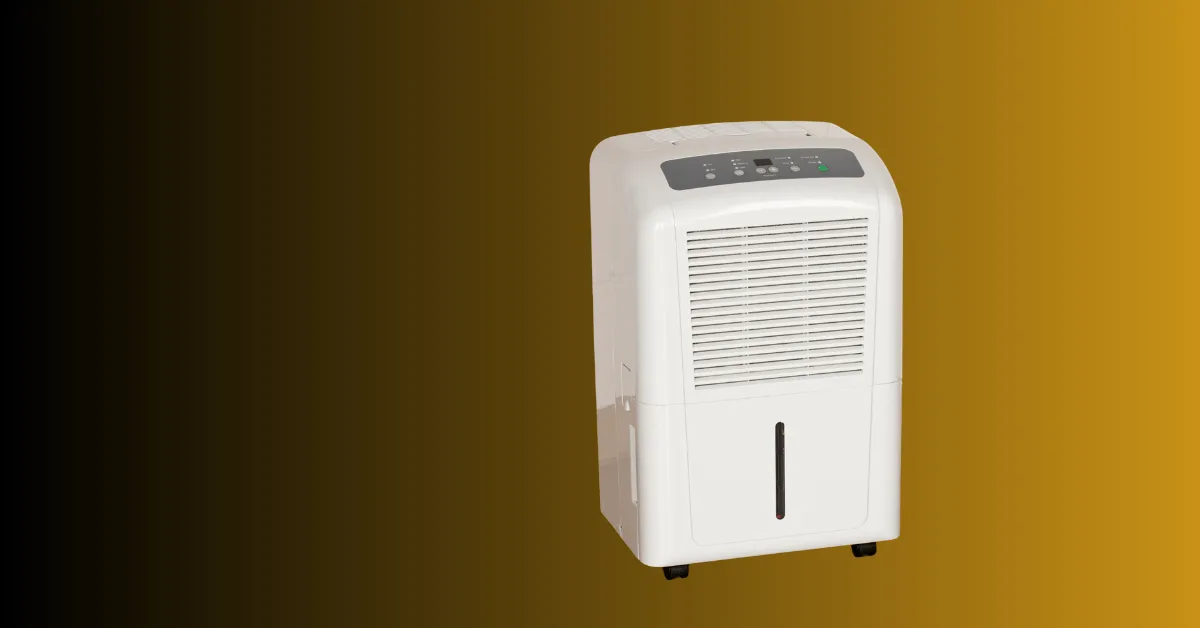
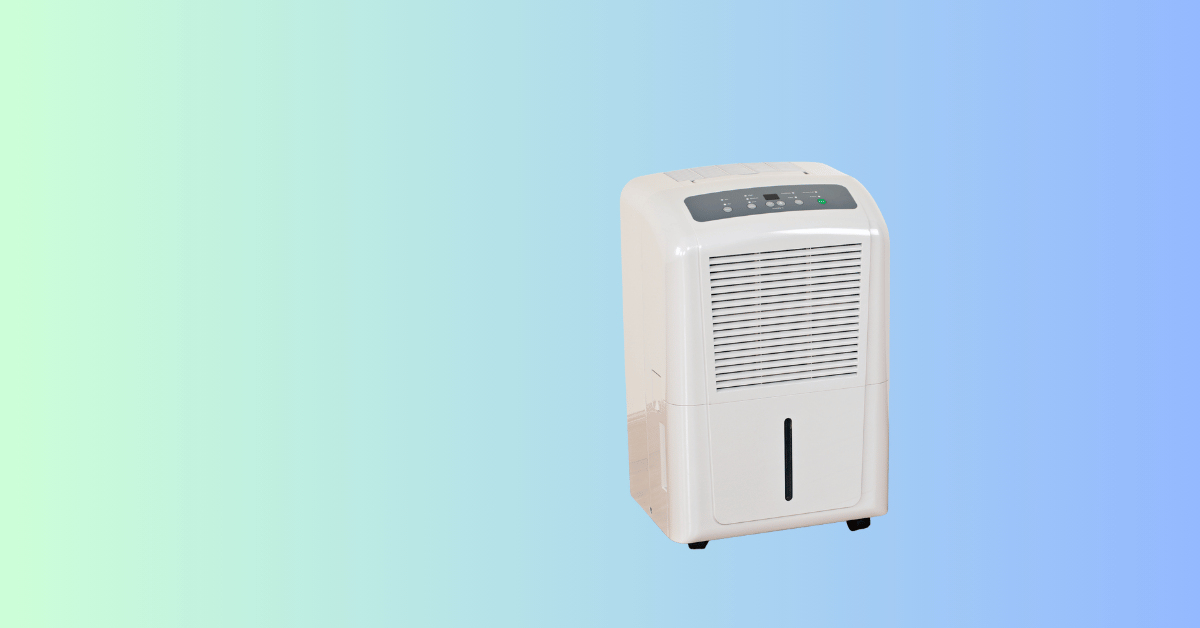
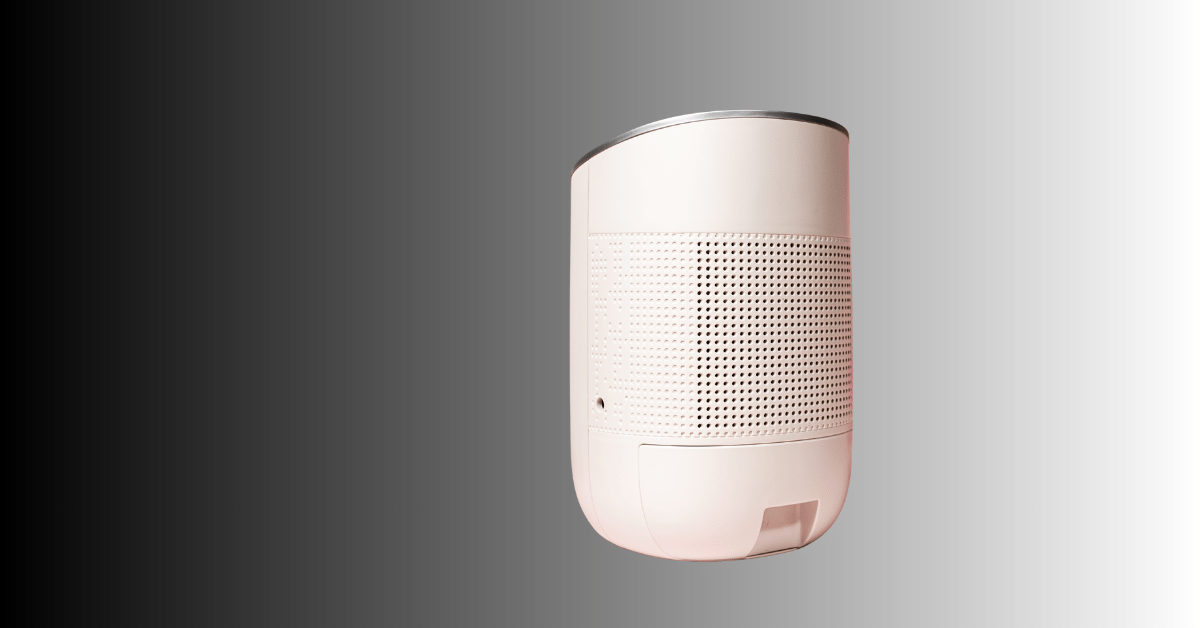
Dehumidifiers help you maintain optimum indoor air quality. They serve to minimize the level of humidity, allowing for a more pleasant indoor climate. They help the household avoid problems like furniture or drywall damage, mold, and mildew. Having a humidifier properly installed can make a significant difference in the air quality of a residence or office. It will work wonders for basements, bathrooms, and other living spaces.
Lets learn in detail with us What Does A Dehumidifier Do And How Does A Dehumidifier Work?
What is a Dehumidifier?
This is an electrical appliance that functions by reducing and controlling indoor humidity to a more comfortable and healthier level. It draws in moist air and passes it over cold coils called evaporator coils, which are components that cause water vapor to condense into water droplets as the air cools.
The condensed water collects in a tank or is drained through a hose or a special water line called a condensate line. The now-dried air is slightly reheated, a process called tempering, before being released back into the room.
Caption: The inside of a dehumidifier showing intake fan, cold coil, condensate path, and air outlet.
What Is the Function of a Dehumidifier?
Recognizing the role of dehumidifiers underscores their importance within the home. Humidity builds up indoors due to various routines, such as preparing meals, taking a shower, breathing, and even the introduction of outside air. A dehumidifier:
Maintains humidity levels below critical thresholds:
Mold, mildew, dust, and allergens thrive in damp spaces.
Reduces humidity level:
Resolves discrepancies between perceived clamminess and thermostat readings to create a comfortable indoor environment.
Prevents property damage:
Controls indoor moisture to help protect furniture, appliances, and electronics from damage.
Reduces and controls the growth of allergens:
The population of dust mites, which are tiny, microscopic insects, decreases, while mold spores, which are reproductive cells of mold fungus, remain contained. Reduces and prevents the growth of mold and mildew by reducing moisture levels, making it less likely to occur.
Prevents damage to property:
Humidity can lead to warped doors, peeling paint, swollen floors, and unpleasant odors.
Reduces stale air:
Decreases musty and unpleasant indoor odors.
Improves indoor air quality by helping to address stale air in closets and enclosed spaces.
Saves energy:
Lower humidity can improve cooling efficiency and reduce energy demand.
Set Indoor Relative Humidity:
Maintain a comfortable indoor RH, which is usually between 35-50%. Extremely dry air can fall to 30% or less.
When the air conditioner cools a space, it removes some moisture from the air. A dehumidifier installed to the home works to separate moisture, improving the efficiency of the cooling system while maintaining comfort.
Related Article:
How Does a Dehumidifier Work: Step by Step
How does a dehumidifier works .simple steps
1. Air Intake
A quiet fan system draws in air from the room, or return ducts in more centralized systems.
2.Cooling/Condensation:
Warm air is pulled over the evaporator coil, which contains refrigerant—a cold liquid or gas that absorbs heat. The coil’s cold temperature causes moisture from the warm air to condense into water drops on the coil’s surface.
3.Condensate Removal:
The moisture removed from the air drains either into a collection tank or is pumped out through a storage tank or a dedicated pipe, known as a condensate line, which carries the water safely away.
4.Reheat/Tempering:
The dried air is slightly warmed before being released, a process known as tempering, so that the air does not feel overly cold as it returns to the room.
5. Supply Back:
The cold air is then released back in the room or through supply ducts in the case of centralized systems.
Types of Dehumidifiers
Refrigerant dehumidifier: A dehumidifier which cools the air, then condenses moisture using a refrigeration cycle.
Desiccant Dehumidifier: A cooler cycle system which heats the air using a heating coil, then cools to evaporate water vapor.
Advanced Features
Most models have a built-in humidistat, or a connection to smart disc thermostats, which allow you to set a target of Relative Humidity, or moisture in the air, which is usually between 45 to 55%. The system operates on an automated cycle to maintain the target moisture circulation level.
Whole Home vs Portable Dehumidifier
Portable systems are typically easier to use in a single room or confined space, while centralized systems serve the whole home and are easier to maintain. Whole-home systems (integrated with HVAC systems) manage humidity across all areas using automatic water drainage and monitor relative humidity with a thermostat and a device called a hygrometer, which measures the amount of water vapor in the air.
If you want to install a dehumidifier read out our detailed article on Whole house dehumidifiers -installation guide-2025
Whole-Home vs. Portable Dehumidifiers (Quick Compare)
| Feature |
Portable |
Whole-Home (HVAC-Integrated) |
| Coverage |
Single room/zone |
Entire conditioned space (incl. basement/bedrooms) |
| Drainage |
Bucket (manual) or small pump |
Automatic condensate line/pump |
| Control |
Built-in humidistat (manual checks) |
Smart thermostat/hygrometer—automatic RH |
| Convenience |
Move & empty |
Set-and-forget, consistent RH |
| Use Case |
Spot dampness |
Persistent/house-wide humidity |
Benefits of a Dehumidifier
Below are some of dehumidifier benefits , to know more you can check out complete detailed article on Top Benefits of Installing a Whole House Dehumidifier
Cleaning allergen-filled air:
Slowing down the growth of dust mites and mold helps foster cleaner air through reducing humidity.
Controlling pests:
Remain less active in dry environments, such as spiders, cockroaches, silverfish, and centipedes.
Comfort:
Temperature and humidity feel lower; sticky and clammy air is eliminated.
Energy Efficiency:
A more effective AC lowers humidity, enabling comfortable temperatures to be set higher without sacrificing energy use.
Cleaner home:
A reduction in humidity in your home can limit the amount of dust and musty smells in the house.
Protection: Can help prevent warped wood, peeling paint, condensation on windows, and staining of surfaces due to moisture.
Ideal Humidity Levels
As per the EPA: Indoor RH levels should be kept lower than 60%; the average person is comfortable and the air is safe to breathe at levels between 30 and 50%.
Dehumidifiers remove moisture in the air at the rate of 20 to 55 pints per day, while whole-home systems range between 70 and 170 pints, depending on the model.
Measure RH levels accurately:
A hygrometer or smart thermostat with humidity sensing can determine moisture levels, while a humidifier or dehumidifier can add or remove moisture, respectively.
Tip: Humidity levels should be checked in various locations, such as the corners of a room, closets, and basements, as well as throughout different seasons; many moisture problems are specific to a particular room or time of year.
Where to Use a Dehumidifier
Bathrooms: Poorly designed exhaust systems are a prime breeding ground for mold.
Bedrooms: High RH levels can result from inadequate ventilation.
Basements: These spaces are damp by nature due to ground seepage, foundation leaks, and cool surfaces that can trap moisture.* Laundry and kitchens are perhaps the source of the most water vapor in the indoor environment due to water use, steam, and leaks. Garages experience vapor intrusion from outdoors and from wet vehicles.
Top Reasons to Use Dehumidifiers (Common Signs & Fixes):
Neglecting humidity issues can lead to costly repairs. For instance, replacing warped floors can cost more than $8,000, while damage to the walls or ceiling can result in budget-affecting surprises.
1) Surface Condensation (Window/ Frame)
Evidence: Fog, water beads, wet sills, and blackened trim or window tracks.
Solutions: Decrease humidity, improve RH, ventilate, resize any humidifiers, and open windows.
2) Mold Spots (Ceiling/ Corner of the Bath)
Evidence: Dark spots and a musty smell; leaks behind the fixtures.
Solutions: Dehumidifiers, leaks, bath exhaust upgrades, and mildew-resistant coatings after removal.
3) Musty Odor (Basement/ Crawl Space/ Laundry)
Evidence: Persistent earthy smell and damp cardboard or fabrics.
Solutions: Dehumidifiers, dryer lint filters/vent, proper drainage, and mold prevention.
4) Repetitive Dampness (Seasonal/ After it Rains)
Evidence: Water marks, efflorescence, wet in certain seasons.
Solutions: Dehumidifiers, water drainage, and sump pump issues.
5) Water staining (Walls/Ceiling/Closets)
Evidence: Stains, paint blisters, and concealed mold from rogue baseboards or furniture.
Solutions: Decrease humidity, improve ventilation, and repair.
How long does a dehumidifier last?
Lifespan is a function of usage, as well as the above features and types.
Expected lifespan: 5 to 10 years. Varies by age and type of dehumidifier, construction, how much and how well it is taken care of.
To extend lifespan and improve efficiency, several steps need to be taken.
Thorough cleaning or replacement of filters, vicinity of the intake and outlet is to be vacuumed.
Airborne dust must be collected to maintain efficiency. Cooling coils need to be clean. Airflow must not be restricted.
Portable versions must have their tanks emptied, or the condensate lines and pumps must be checked unobstructed.
Units must be monitored for mold and mildew, particularly the drainage areas and the units themselves.
Bottom line. Quality engineering and a clean dehumidifier guarantees long and silent operation.
For maximum performance and long lifespan of your dehumidifier maintenance should be done on regular basis . At airandpurifiers.com we have complete detailed article on Maintenance Tips for Your Dehumidifier System. Check it out
FAQs-What Does A Dehumidifier Do And How Does A Dehumidifier Work?
When should you use a dehumidifier?
Use within humid regions, or year-round for more tropical areas. For more temperate areas, use during indoor relative humidity (RH) or outside relative humidity is greater than 50-60%. Otherwise, use during late spring to early fall months.
What are the disadvantages?
Large home units are generally paired with air conditioning during the hotter months, so the disadvantages here are lower. Portable dehumidifiers are noisier, serve to heat the room, and require the water tank to be emptied regularly, along with filter cleaning.
How long should you run it?
Aim for 2-3 hours. However, certain areas may require 24-hour coverage or continuous monitoring, particularly in overseas locations. There, homes are built mainly for cooling, so air conditioning is run for long periods at a time.
References: