Is 60 Percent Humidity Too High for a Bedroom?
Understanding Humidity
Ideal Humidity Levels for Bedrooms
- It helps lower the chance of mold growth.
- It can reduce dust mite problems in bedding.
- It often feels more comfortable for breathing and sleeping.
Optimal Bedroom Humidity
- 40 to 50 percent: comfy for most people, and better for bedroom air quality
- 50 to 60 percent: borderline, may cause dust mites and dampness
- Over 60 percent: higher risk zone for mold and stronger musty smells
Humidity Levels Indoor
- Showering without using an exhaust fan
- Cooking, boiling, and washing dishes
- Drying clothes inside
- A leaking pipe or roof
- Wet towels, wet carpets, or damp walls
- Poor airflow in a closed bedroom
Effects of High Humidity
- The room smells musty.
- The bedding feels a bit damp.
- Walls or windows get condensation.
- Clothes in the closet smell stale.
- Paint or wallpaper starts to peel
- Dark spots in corners (possible mold)
Impact on Sleep Quality
High Humidity Effects on Health
- Skin irritation or more sweating
- Headaches from stale air or odors
- More coughing or throat irritation
- Worse asthma symptoms in some people
- More mold exposure if the mold starts growing
Humidity and Allergies
- Dust mites (they live in mattresses, pillows, carpets)
- Mold (it can grow in damp corners, behind furniture, on window frames)
Respiratory Issues
- Make the air feel heavier.
- Increase dust mite allergens.
- Increase mold risk in damp rooms.
Measuring Humidity in Your Bedroom
- Put the device about chest height.
- Keep it away from direct AC air.
- Do not place it right beside a humidifier or an open window.
Humidity Measurement Tools
- Hygrometer: a small device that shows relative humidity
- Thermo hygrometer: shows humidity and temperature
- Smart air quality monitor: may track humidity trends and alerts
How to Monitor Humidity Levels
- Check your bedroom humidity in the morning and at night for 7 days.
- Write down the numbers (or use a phone app if your monitor has one)
- Note what you did that day: shower, cooking, rain, AC on, windows open.
- Look for patterns
Humidity Control Methods
- Run bathroom exhaust fans during and after showers.
- Use the kitchen hood fan when cooking.
- Fix leaks fast (even small ones)
- Do not dry wet clothes in the bedroom.
- Increase airflow: open the door slightly or turn on a fan to move air.
- Keep furniture a few inches away from cold outside walls.
- Clean and dry any damp carpet or bedding quickly
Air Conditioning and Humidity
- AC is oversized and cools too fast, so it does not dehumidify well.
- Filters are dirty, airflow is weak, and moisture stays.
- You set the temperature low, but the humidity stays high.
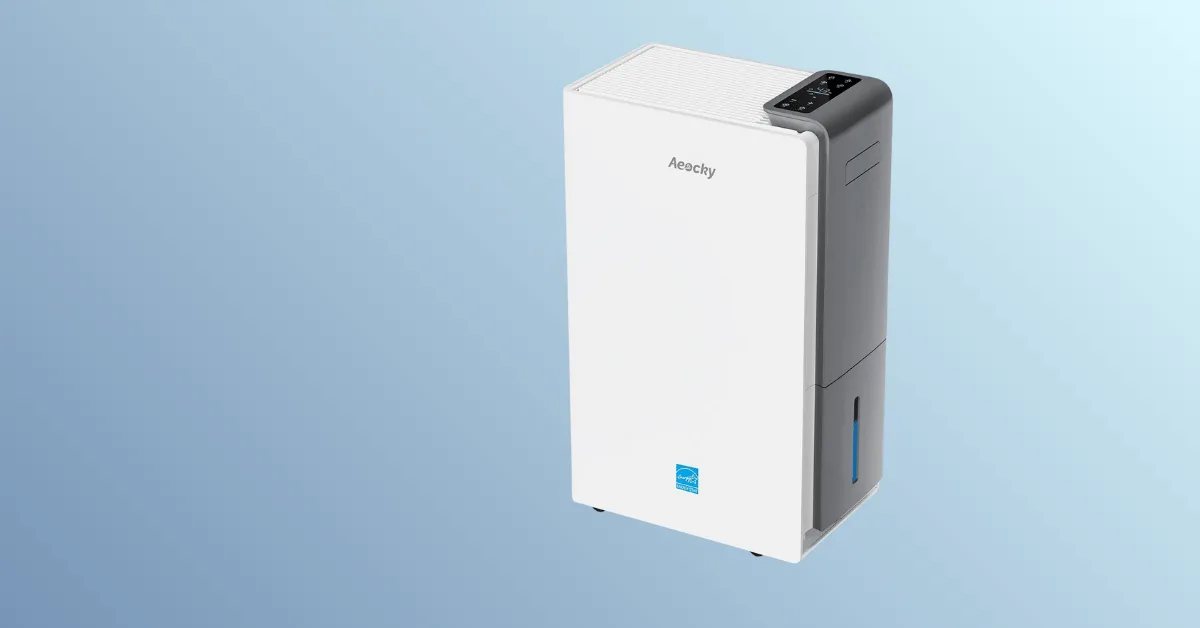
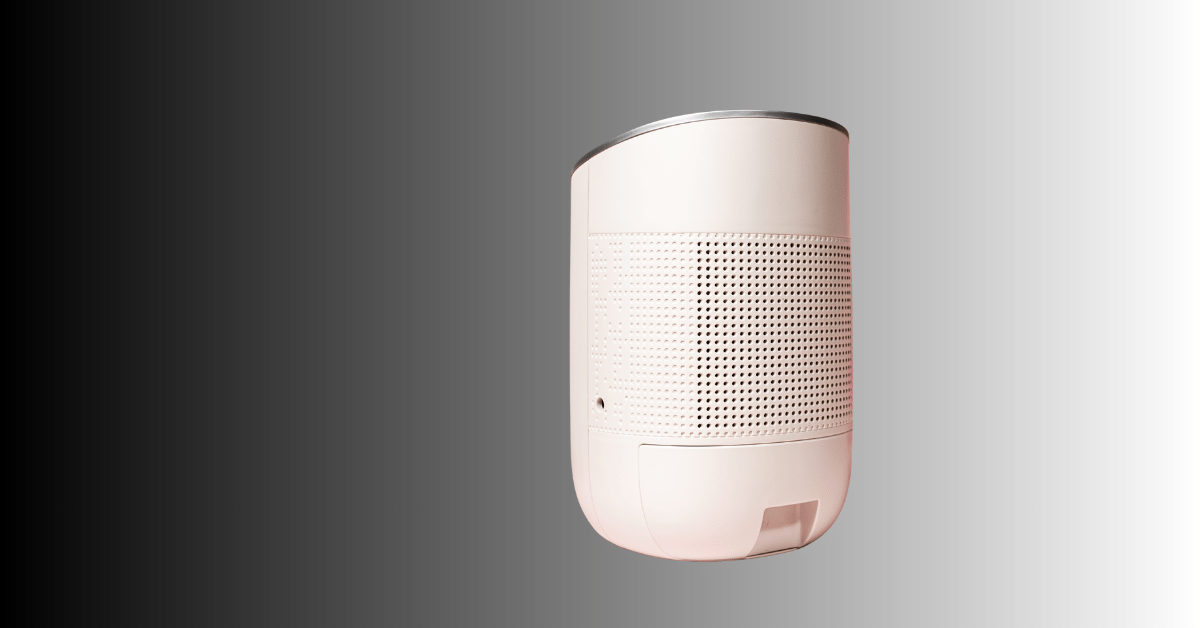
Dehumidifiers for Bedrooms
- Your room sits around 55 to 70 percent of the time
- You see condensation on windows.
- Your closet smells musty.
- You have allergies that feel worse at night.
Benefits of Using Dehumidifiers
- Less damp feeling in sheets and pillows
- Lower chance of mold growth
- Better control of dust mites and allergens
- The room can feel cooler at the same temperature.
- Better overall bedroom air quality
Choosing the Right Dehumidifier
- Room size
Look for a model rated for your bedroom size. Bigger is not always better, but being too small will run nonstop. - Noise level
If it is loud, you will hate it at night. Look for “sleep mode” or lower decibel ratings. - Drain option
A bucket is fine, but if you forget to empty it, it stops working. A drain hose option is nice. - Humidistat control
This lets you set a target, like 45 or 50 percent, and it will cycle on and off. - Energy use
If it runs nightly, efficiency matters.
Is 60 Percent Humidity Too High for a Bedroom? -Final Thoughts
Managing Humidity for Better Sleep
- Night target: 40 to 50 percent
- Run the bathroom fan for 20 minutes after showers.
- Keep the bedroom door slightly open for airflow.
- Use AC in a steady way (avoid big on and off swings)
- If humidity stays high, add a small bedroom dehumidifier.
- 60 percent humidity is often a bit too high for a bedroom, especially if it lasts many hours.
- Many guides suggest indoor humidity around 30 to 50 percent for comfort and mold control.
- High moisture in the air can affect sleep comfort and can support allergens like dust mites and mold.
- Humidity measurement tools, like a hygrometer, help you stop guessing.
- Air conditioning and humidity are linked, but AC may not fix humidity issues by itself.
- Dehumidifiers for bedrooms can quickly bring humidity down and improve bedroom air quality.
FAQs-Is 60 Percent Humidity Too High for a Bedroom?
Is 60 percent humidity too high for a bedroom?
It can be. 60% is the point where many bedrooms start to feel sticky, and mold risk can go up. If it stays near 60% most nights, try to bring it closer to the optimal bedroom humidity range.
What is the optimal bedroom humidity for sleep?
For most people, 40% to 50% feels best. It supports better bedroom air quality and can feel easier on your breathing. It also helps limit moisture in the air that dust mites and mold like.
Is 60% humidity bad for you?
Not always. One night at 60% is usually not a big deal. The problem is when humidity levels indoor stay high for weeks. That can lead to the effects of high humidity like mold, smells, and allergy flare ups.
Does high humidity make it harder to sleep?
Yes, it can. Humidity and sleep quality are linked because your body cools down during sleep. When moisture in the air is high, you may sweat more and wake up feeling hot and damp.
What are the effects of high humidity in a bedroom?
Common high humidity signs are:
- Musty smell in the room or closet
- Damp sheets or pillows
- Window condensation in the morning
- Sticky skin, more sweating
- Mold spots in corners or behind furniture
These are classic effects of high humidity that also lower bedroom air quality.
Can high humidity cause allergies at night?
Yes. Humidity and allergies often connect through dust mites and mold. Both can get worse when humidity stays high, especially in bedding, carpets, and curtains.
Can humidity cause coughing or breathing issues?
It can, mainly if dampness leads to mold or makes allergens stronger. Some people notice more congestion, coughing, or throat irritation. These are common high humidity effects on health for sensitive people.
What humidity level causes mold?
Mold can start when surfaces stay damp, but the risk goes up when indoor humidity stays above 60%. Even if you do not see mold, it may grow behind furniture or inside closets.
How do I measure humidity in my bedroom?
Use a small hygrometer. Place it:
- At about chest height
- Away from direct AC airflow
- Not right next to a humidifier or open window
This is the easiest way to track humidity levels indoor without guessing.
What are the best humidity measurement tools?
Good humidity measurement tools include:
- Basic hygrometer (cheap and simple)
- Digital thermo hygrometer (shows temp + humidity)
- Smart monitor (logs trends and alerts)
If you just want a quick answer daily, a simple digital hygrometer is enough.
How often should I monitor humidity levels?
Check it morning and night for one week. You will spot patterns fast. For example, humidity may jump after showers, cooking, rain, or when the bedroom door stays closed.
Does air conditioning reduce humidity?
Usually yes. Air conditioning and humidity often go together because AC removes moisture while cooling. But it depends on how long it runs and how well it is set up.
Why is my bedroom still humid even with AC on?
A few common reasons:
- AC cools too fast, then shuts off, so it removes less moisture
- Dirty filter or weak airflow
- Doors closed, air not moving, moisture builds up
- Outdoor air leaks in through gaps
- Bathroom humidity spreads into the bedroom
In this case, you may need extra humidity control methods, not just colder air.
Are dehumidifiers for bedrooms worth it?
Yes, if your bedroom often sits at 55% to 70%. Dehumidifiers for bedrooms can drop moisture in the air fast, and the room feels less sticky. Many people also feel sleep improves when humidity is controlled.
What size dehumidifier do I need for a bedroom?
Start with your room size and how humid your area is. A small bedroom often does fine with a smaller unit, but very humid homes need more capacity. A good sign you need bigger is if the tank fills quickly every day and humidity does not drop.
How can I lower bedroom humidity fast at night?
Try these quick humidity control methods:
- Run the bathroom exhaust fan after showers
- Keep the bedroom door slightly open for airflow
- Turn on AC and keep it steady, not on and off
- Use a fan to move air around the room
- Remove wet towels, damp laundry, or wet shoes from the room
- Use a dehumidifier for 1 to 3 hours before bed
Should I open windows to reduce humidity?
Only if it is drier outside than inside. If outdoor air is humid, opening windows can raise humidity levels indoor and make the bedroom feel worse.
Is low humidity also a problem?
Yes. If humidity drops under about 30%, you may feel dry throat, dry skin, or nose irritation. The best goal is balance, not extreme dry air. Aim for optimal bedroom humidity, usually around 40% to 50%.
If you want, tell me your average bedroom humidity day and night, and whether you use AC. I can write a tighter FAQ for your exact situation and include more “People Also Ask” style questions.
References:
- (US EPA)
- (US EPA)
- (US EPA)
- (World Health Organization)
- (CDC)
- (CDC)
- (Canada)
- (CCOHS)
- (CDC Stacks)
- (Mayo Clinic)
- (Mayo Clinic)
- (Mayo Clinic News Network)
- (Sleep Foundation)
- (Sleep Doctor)
- (ASHRAE) (ASHRAE)
- (ASHRAE)
- (PMC)
- (Welcome to DTU Research Database)
- (Wiley Online Library)
- (ScienceDirect)
- (iaqscience.lbl.gov)
- (PMC)
- (American Standard®)
- (Blueair)
- Woman & Home
- The Times of India