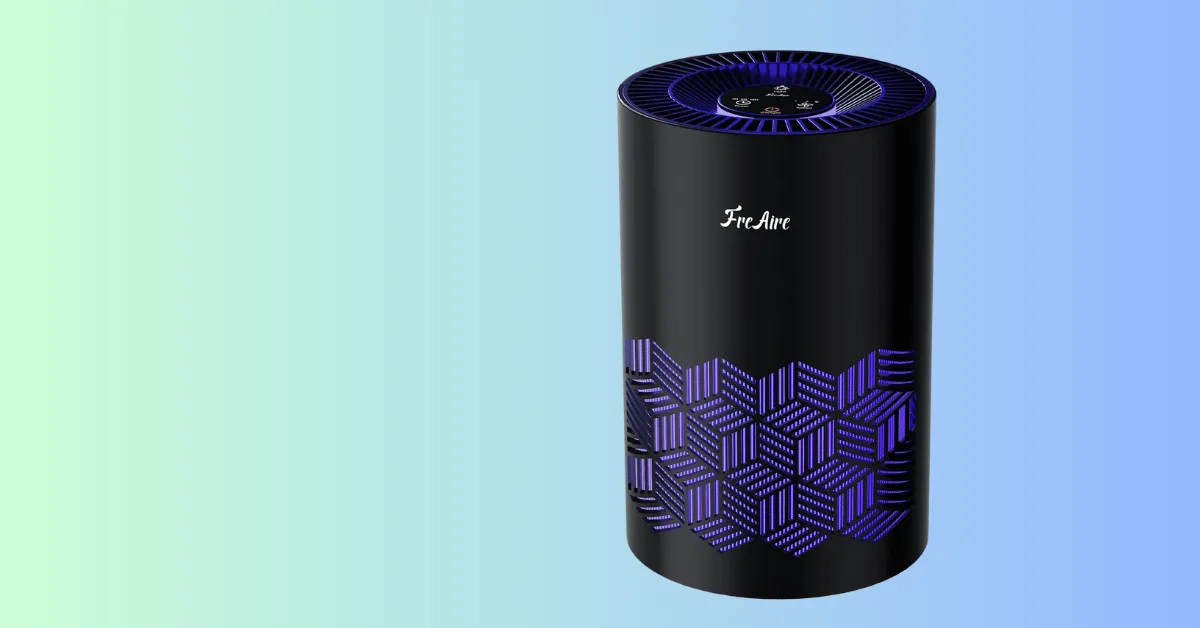
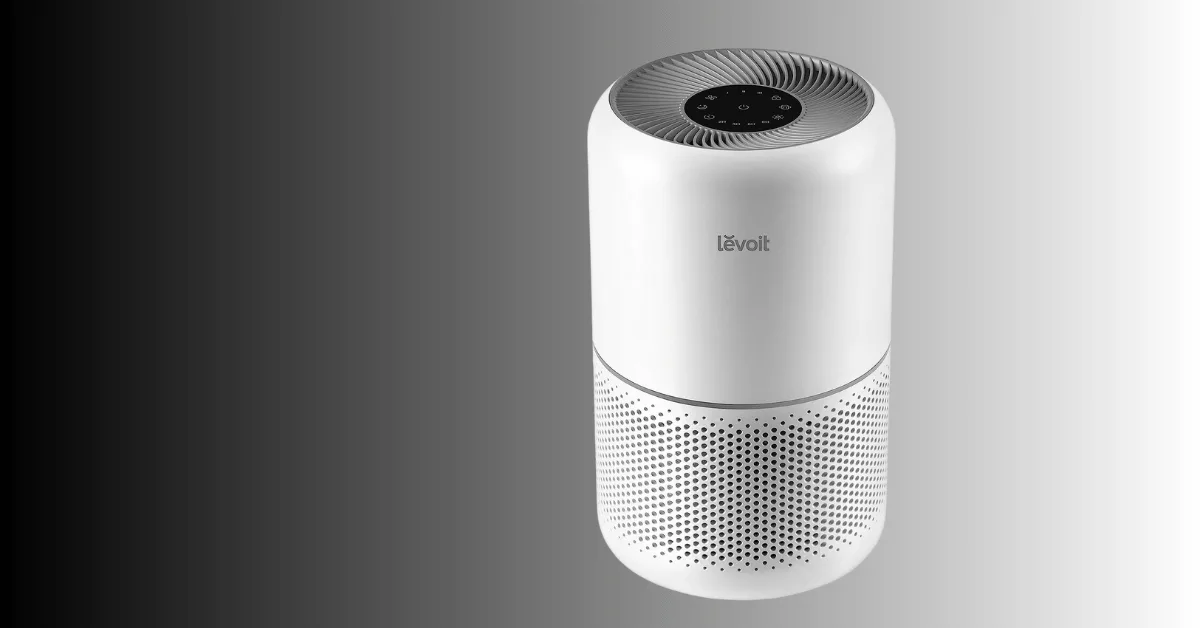
Carbon monoxide is a colorless and odorless gas that can be life-threatening at certain concentrations. CO is produced whenever fuels such as gasoline, natural gas, and propane are burned. CO poisoning can cause headaches, dizziness, and in severe cases, even death.
Most air purifiers utilize CO filters, which trap dust, pollen, and mold spores. However, CO gas easily bypasses these filters. Air purifiers that utilize activated carbon filters can capture some CO pollutants, but they are unable to issue alerts or notify in case of a CO surge.
A detector is necessary to remain safe from carbon monoxide. They are specially designed to monitor the air and set off an alarm when they detect co.
The same is for an air quality detector, but totally relying on them could be dangerous. You may face severe consequences, so you should regularly check heating and cooling appliances by a professional for safety.
To ensure complete safety from CO, a good detector should be in place. Alongside CO detectors, other hybrid detectors that monitor smoke as well are easily accessible.
Let us know in detail Does an Air Purifier Help with Carbon Monoxide?
Can air purifier detect carbon monoxide
Purifiers will not and are incapable of detecting carbon monoxide, so if your air quality is poor without a purifier, CO gas can further accumulate without any alarms triggered.
To do this, you require another carbon monoxide detector.
Why air purifiers can’t detect CO:
Different technology: Unlike carbon monoxide (CO) air purifiers, which are designed to filter dust, pollen, and some VOCs, these utilize HEPA and activated carbon filters. They do not contain CO sensors. CO detection requires specialized electrochemical and infrared sensors.
CO’s properties: Only specific sensors can identify carbon monoxide, as it is colorless, odorless, and tasteless.
Safety factor: CO detectors are crucial as they provide an alert before carbon monoxide levels reach hazardous and potentially fatal concentrations.
Related Post: Can an air purifier help with mold?
What filters carbon monoxide
Activated carbon filters are among the few types of filters that can capture carbon monoxide (CO) gas from the air. Their effectiveness lies in their ability to adsorb the gas onto the filter’s porous surface.
Activated carbon filters and carbon monoxide.
Medical-grade HEPA 13 filters are capable of capturing 99.97% of particles as small as 0.3 microns, and nearly all particles down to 0.1 microns. They capture dust, pet hair, and dander, allowing the next filter to deal with the remaining gases.
Activated carbon filter – Captures harmful gases such as carbon monoxide and volatile organic compounds (VOCs) from cleaning products, furniture, and fabrics.
Related Post : do-air-purifiers-help-with-a-stuffy-nose
How Activated Carbon Filters Work?
Adsorption: Captures volatile gases like carbon monoxide using the porous carbon surface.
Specialized Use: Activated carbon filters are designed to capture gases and vapors, while HEPA filters are limited to solid particles like dust and pet dander.
Important Considerations
Detector is Key: Having a carbon filter doesn’t eliminate the need for a carbon monoxide detector that warns you when harmful levels are present.
Filter Capacity: All carbon filter media have a service life. Once the media is saturated, it needs to be replaced with a new one.
Filter Quality: Carbon monoxide is removed best in filters with the largest amounts of carbon.
Related Post: Can an air purifier help with dust?
Where Does Carbon Monoxide Produce From?
Carbon Monoxide (CO) is a colorless, odorless, and tasteless gas. It’s produced when fuels are burned without sufficient oxygen available – this is referred to as incomplete combustion. The following can result in the presence of carbon monoxide in your home or workplace:
- Unvented space heaters
- Faulty or age-advanced chimneys and furnaces
- Water heaters
- Wood or gas stoves
- Fireplaces
- Fireplaces
- Clothes dryers
- Tobacco smoke
Grills - Power tools and lawn equipment
- Generators
- Other gasoline-powered tools
- Vehicle exhaust
Why Can Carbon Monoxide Be a Health Hazard?
Carbon monoxide can be a health hazard as it is invisible and odorless. Combines with oxygen in the bloodstream to cause poisoning.
Low levels can cause:
- Fatigue – Even in otherwise healthy individuals.
- Chest pain – this can especially occur in individuals with pre-existing heart conditions.
High levels can cause:
- Headaches
- Dizziness
- Nausea
- Mental confusion
- Flu-like symptoms
- Visual disturbances
- Lack of coordination
- Inability to think clearly
- Coma or death
People ignore the warning signs of carbon monoxide poisoning because the symptoms resemble other illnesses. This is the reason why a carbon monoxide detector is very important — it alerts to the presence of CO in the environment.
Related Article: Can air purifiers make you sick? Causes, Risks & Prevention Tips
What are the signs and symptoms of low-level exposure to carbon monoxide?
Symptoms of Low-Level Carbon Monoxide (CO) Exposure
Symptoms of carbon monoxide (CO) at low-level exposure can be difficult to notice and can be easily mistaken for the early signs and symptoms of the flu or other common illnesses. In the early stages, the person may experience headache, dizziness, nausea, extreme exhaustion, and shortness of breath. In the case of further exposure, the person may develop severe symptoms such as confusion, severe chest pain, and difficulty controlling muscles.
A sharp and critical pointer that can alert you to low-level carbon monoxide exposure is the lifestyle change symptoms while moving to and from a specific place. The symptoms also give people a clue to the cause of low-level exposure, where other similar-aged people or pets also develop similar symptoms around the same time.
Most Common Signs and Symptoms
CO exposure can also be associated with other common flu-like symptoms. It can also usually be described as a mild and throbbing headache to both apices of the skull. The person may also experience bouts of vomiting. Other signs can also include lightheadedness, fatigue, or even extreme tiredness. A common sign associated with low-level exposure to CO is breathlessness. It can particularly be noticed during strenuous exercises.
Symptoms of low-level CO exposure, if unchecked, can develop into more severe conditions as they progress.
Early Symptoms During Exposure Progression
Roughness and irritability of the nerves can be severe symptoms of CO exposure and are clear warnings for the individual.
Effective assessment to the problem includes specific symptoms such as extreme muscular tiredness, also defined as lack of vigor.
Blurred or blackened vision as symptoms, and the person losing motor skills and having difficulty moving, can also greatly indicate low-level CO exposure.
Symptoms and signs developed singly and not in a pattern of guesses can be reserved to create clear diagrams around the gap.
Symptoms improve when you leave: Especially typical with seasonal heating use.
Others get sick: When family members, coworkers, or visitors have similar symptoms, an environmental cause is very likely.
Pets show illness: Distress or signs of illness are shown in pets that are also affected.
What to do If You Suspect CO in Your Home
Get A Detector: A reliable CO detector must be purchased, and both installation and maintenance should be performed.
Use an Air Purifier: CO can be removed by a purifier with an activated charcoal filter.
Ventilate: Close and open windows or doors to immediately allow fresh air in.
Leave The Area: Fresh air should be obtained after CO alarms are triggered, and emergency services should be contacted if required.
2- How often should carbon monoxide detectors be tested and replaced?
Carbon monoxide (CO) detector maintenance
The first line of defense against carbon monoxide poisoning is CO detectors, but they only work if they are maintained properly. Testing them once a month and replacing the entire unit every 5-10 years will ensure the device works. If the Manufacturer’s guidelines recommend earlier, then follow them. Some sealed-battery models may need earlier replacement.
Testing Your CO Detector
Test Monthly: Press the “test” button to confirm the alarm sounds and respond.
Power supply check: Inspect the batteries or check the power supply connections if the alarm is not sounding.
Listen for warning signals: Do check the lifespan of units, as a chirping sound could indicate age or depletion of battery.
Replacing Your CO Detector
The Manufacturer’s guide: Each model detects lifecycles and alerts them differently, so please consult the model manual.
Mean lifespan: Detectors generally last between 5 and 10 years, particularly those with sealed batteries, closer to a decade.
Alerts: All detectors should be discarded if they indicate a low battery signal or “end-of-life.”
Signs of malfunction: If a unit is tested and fails with symptoms of exposure to CO without sounding the alarm, the unit should be replaced.
Related Article: Do air purifiers help with asthma?
What is the recommended approach to improving home ventilation to lower carbon monoxide emissions?
Instructions for CO correction ventilation
Removing carbon monoxide (CO) gas from air requires sufficient ventilation. One helpful approach is to use exhaust fans or mechanical ventilation systems. These devices actively use the outside as a source of fresh air and discharge stale CO air into the outside. In case of enclosed spaces like basements, directing the inflow so that fresh air is drawn in and stale air is expelled out greatly reduces the buildup of CO gas and improves air quality.
Bottom Line:
Relying on air purifying devices for the detection of carbon monoxide is not ideal.
Always install a separate, reliable CO detector to keep your home safe.
With both filters, an air purifier can help reduce carbon monoxide in your home. But prevention and detectors are still the best way to stay safe.
Related Post: Can You Clean Air Purifier Filters?
FAQ on Does an Air Purifier Help with Carbon Monoxide?
1-How long will carbon monoxide stay in a house?
The time carbon monoxide (CO) lingers depends largely on ventilation:
Good ventilation: If windows and doors are wide open, CO can dissipate within minutes to an hour.
Poor ventilation: With little airflow, it could take several hours or even days to clear, especially in enclosed spaces like basements.
Sealed environments: In a tightly sealed or hermetically closed home, CO could take weeks to naturally dissipate.
Important: Always get professional help after a CO incident. Even if the air seems clear, test it to ensure safety before re-entering. Install CO detectors for early warnings.
2-Will opening a window help with carbon monoxide?
Yes, opening windows improves ventilation, allowing fresh air to dilute and replace CO-filled air. However, this is only a temporary measure:
Identify and fix the CO source immediately (e.g., faulty appliance).
Evacuate the area if CO poisoning is suspected.
Use CO detectors and schedule an inspection from professionals.
Related Article: Do Air Purifiers Affect Humidity Levels?
3-What are the symptoms of slow CO poisoning?
Slow CO poisoning symptoms can often combine with other illnesses, such as the flu. Symptoms can develop over time.
Initial symptoms:
Headache
Dizziness or lightheadedness
Fatigue and weakness
Nausea or vomiting
Confusion or foggy memory
Tightness in the chest
Long-term/some subtle effects:
Blurred or double vision
Disrupted sleep patterns
Difficulty concentrating and remembering
Changes in mood and behavior
Numbness or tingling in arms and legs
Most important indicators:
Presence of multiple people in the same area with overlapping symptoms.
Those symptoms lessen or resolve entirely when the suspected area is left.
What should be done: Notify the medical professionals immediately of suspected CO poisoning, and execute a blood test to measure CO levels.
Read More On Air Purifiers