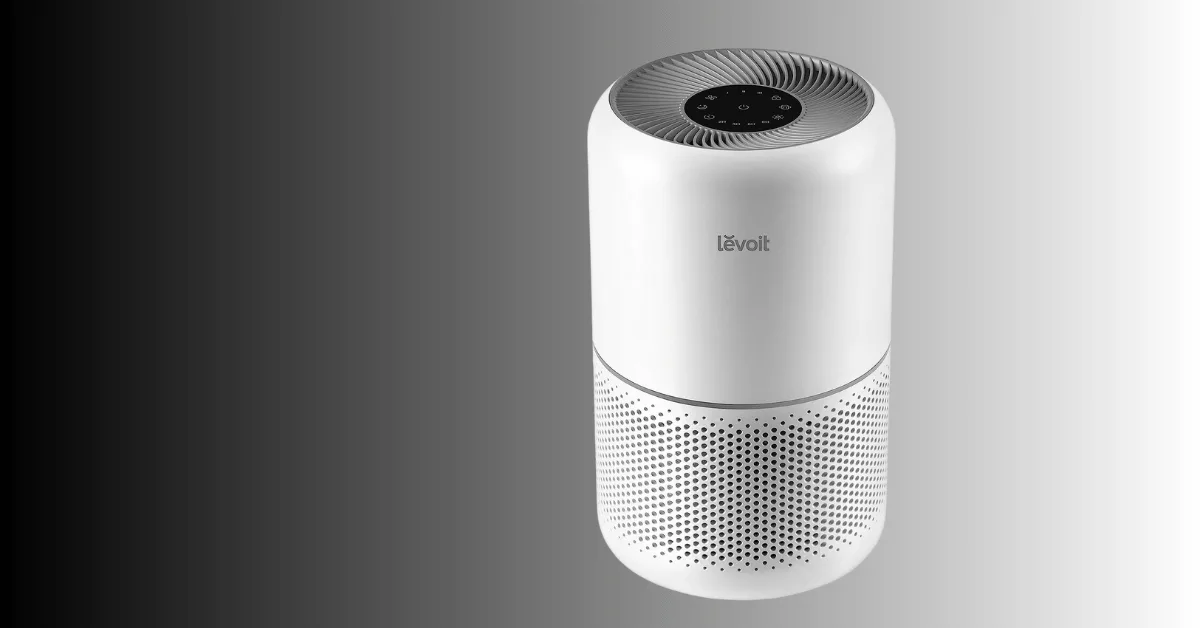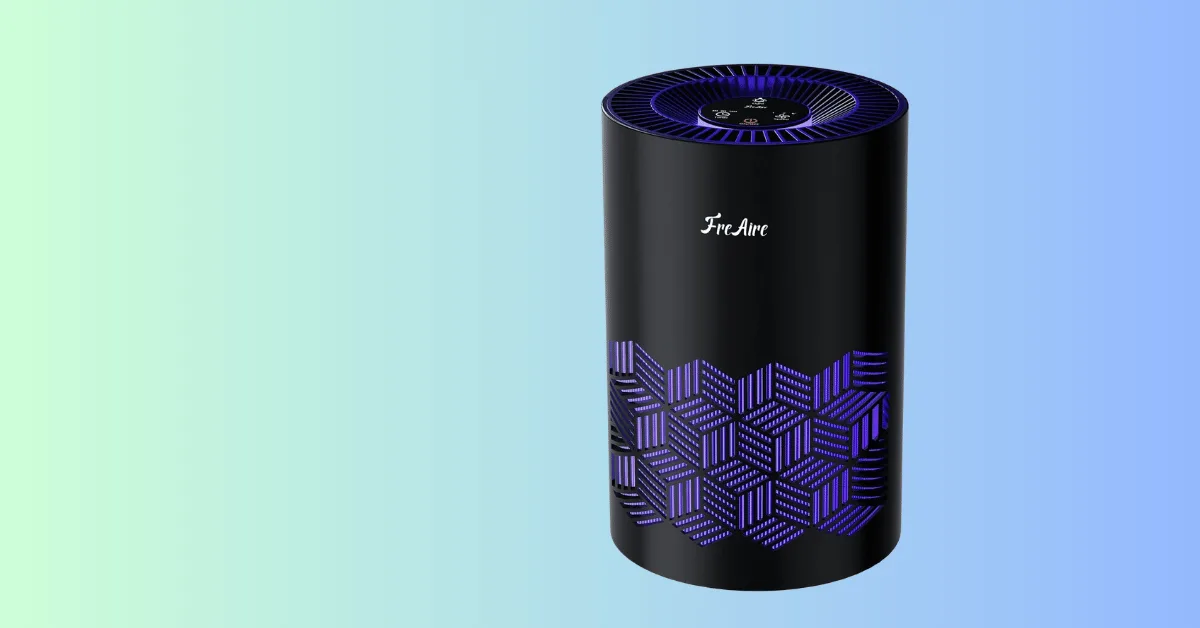
Here is Your Complete Guide to Cleaner Indoor Air
Can an air purifier help with dust? Yes, an Air purifier filter helps removing dust . Using air dust filters can significantly help control dust in your house, particularly the microscopic airborne dust particles that often escape manual cleaning.
They work by taking in air, filtering dust and pollutants, then circulating clean air back into the room.
Most air purifiers use a fan to pull air through one or more filters. These filters capture particles like dust, pollen, and pet dander before the air is released back into the environment.
HEPA filters:
High-Efficiency Particulate Air (HEPA) filters are very effective dust control filters that capture 99.97% of particles 0.3 microns or larger. Some more advanced models can capture even smaller particles, further increasing their effectiveness.
Other filtration options:
Many purifiers also include activated carbon filters. These filters, while they don’t capture dust, help remove odours and volatile organic compounds (VOCs) that tend to accumulate alongside dust.
Best results with source control:
An air purifier, alongside other strategies like cleaning and vacuuming (with a HEPA-equipped vacuum), and minimising dust sources like pets or shoes tracking in dirt, can achieve maximum effectiveness.
Effectiveness:
Having an air purifier can greatly minimise airborne dust—improving air quality and making breathing easier—especially for allergy and respiratory sufferers.
Choosing the right purifier:
-
- While looking for a unit to purchase, keep in mind:
-
- Recommended room size
-
- Included filter types
-
- CADR (Clean Air Delivery Rate)—how fast it can clean a given space.
Limitations:
Although an air purifier can significantly reduce airborne dust, it will not eliminate dust that is already settled on surfaces. Regular cleaning is still essential. A purifier will help reduce the amount of dust that can circulate in the air.
Related Article: Does an Air Purifier Help with Carbon Monoxide?
Does an air purifier help with dust Allergies – Detailed Analysis
In virtually every household with children, indoor dust is a primary source of air pollution as it acts as an allergen. This brings up a rather essential question: “Can an air purifier help with dust?” Air purifiers do help in dust collection thus improving air quality in homes.
According to the World Health Organization, air pollution is responsible for 7 million premature deaths every year. Out of this, 556,000 deaths are estimated in Europe alone.
Most of the time people are concerned with outdoor pollution. Indoor pollution is a major health hazard as well, especially for children, elderly, and sensitive population groups.
Indoor Air Quality 101: Things to Know
Having clean indoor air is essential for several reasons, including to maximize productivity.
Children and adults who are experiencing issues with attention and productivity, need to pay attention to air quality. Indoor air quality affects mental, physical, and emotional health as well.
The air we breathe directly affects health. It has been shown that poor quality air can cause chronic heart disease, cancer as well as eye, nose and throat irritation.
To combat the issues mentioned above, it is clear that an air purifier is absolutely essential.
Kenneth Mendez, the president and CEO of Asthma and Allergy Foundation of America (AAFA), said, “People spend over 90% of their time indoors, and indoor air is often two to five times more polluted than the air outside.”
The products of indoor air pollution most often are remnants of dust. Mendez explains that household dust is a by-product of human beings and includes shed skin, hair, and animal waste. Allergens and irritants that damage the lungs and the immune system include dirt, mold spores, pollen, pet dander, and microplastics.
Even settled dust is not inoffensive; it is able to be disturbed by air currents, and it will re-dust the entire area.
If dust and its waste clinging to tissues is not collected, these remnants can be exhaled and contaminate the air. Less dust in air means better air quality to breathe and using air systems keeps the dust levels down, so an air system is better to have and reduces the risk of inhaling bad quality air.
Related Article: Can an air purifier help with mold?
What Are Air Purifiers and How Do They Work?
An air cleaner is a machine designed to filter the air in the house of suspended dust, smoke, bad odors, allergens, and harmful dispositives. An air cleaner is an air and dirt filter so as its name indicates air filter it is a device to be used in the house.
Air purifiers are made to filter small particles from the air we breathe indoors,” said Kenneth Mendez, President and CEO of the Asthma and Allergy Foundation of America (AAFA).
How Do Air Purifiers Remove Dust?
Air purifiers eliminate indoor dust by drawing air through a filter and cleaning it. They capture harmful dust particles and purify the air by recirculating filtered air back into the room. The filters may consist of paper, fiberglass, mesh, activated carbon, foam, or aluminum. Each of these materials captures specific pollutants.
Air filters equipped with high-efficiency particulate air (HEPA) filters are especially valuable. HEPA filters are able to capture particles as small as 0.3 micron, which can irritate the lungs and trigger allergies or asthma, with 99.9 percent accuracy. The U.S. The Environmental Protection Agency (EPA) confirms this information.
Some air purifiers are equipped with the capability to produce ozone, a gas that is harmful in small amounts. Dr.John McKeon, the chief executive officer and the founder of Allergy Standards Limited (ASL) which manages the Asthma & Allergy Friendly® Certification Program, notes that, “Ozone can irritate and inflame the airways, especially in people with asthma or respiratory conditions.” Given these factors, air purifiers should not produce ozone as a byproduct in their use.
Related Article: Can an air purifier help with mold?
You can double the effect of air purifiers with these tips
1. Location
Specific areas within a single room are important for optimal placement of your air purifier. Let’s go over the main places in a house where your air purifier could have a significant impact.
Bedroom
Air purifiers can greatly enhance the quality of sleep. Sleep can be adversely affected due to airway irritation, congestion, and swelling caused by air pollution. An air purifier can help remove sources of pollution during sleep, so that the user can rest comfortably.
For best results, keep the air purifier at head level, approximately 6-10 feet away from the bed.
Which air purifier type is best for a bedroom? You want to pick a unit that is quiet to help with sleep. Achieving this goal is possible for any size air purifier as long as the fan speed is low. We learned that a medium-sized air purifier is a good fit for most bedrooms.
Living Room
Living spaces are usually the largest in the house. These spaces might be adjacent to other areas, as well as have multiple windows and furniture, which adds a layer of difficulty as to where you should place your air purifier.
As a starting point, place the air purifier in a spot that is unobstructed to the rest of the room to achieve the best coverage. It is usually best to place air purifiers close to key seating areas, such as the couch, and ensure that the couch or chair does not block the air purifier.
Think of it this way, place the air purifier to block the people from the pollution. If you have a wood-burning fireplace, you want the purifier close to capture the smoke particles.
Kitchen
The kitchen is the heart of the house and the first point to introduce intrusive allergens, which include excess moisture, oil, spices, food fumes, and heavy foot traffic. These allergens make having an air purifier in the kitchen a strong addition to the space.
This is critical for individuals who rely on natural gas for cooking. Research has demonstrated that natural gas utilized in households is capable of emitting volatile organic compounds (VOCs); thus, an air purifier that can capture and remove such particles is essential.
When placing an air purifier in the kitchen, windows and range hoods are furthermore essential because they serve as outlets for air to exit and/or fresh air and cross breezes to enter.
Taking into consideration the aforementioned factors, air purifiers perform optimally when placed away from the ventilation source to allow the two to work in tandem.
Home Office
Adoption of hybrid and fully remote work models has led to an increase in the number of home offices.
Nonetheless, the workspace as a windowless box for eight or more hours bloats air, and that can feel a touch uncomfortable and, more importantly, sluggish and lackluster. In fact, research shows poor air quality can impede productivity. It’s estimated that productivity at work can fall by nearly 9% in such a scenario.
That’s where an air purifier comes in.
In the home office, it is recommended that you place the air purifier close to your work area to form a bubble of purified air around you. Also, ensure that the air purifier is not placed where it can block pathways, obstruct your daily activities, or your workflows.
Related Article: Do air purifiers help with asthma?
Basement
As we mentioned before, it is usually best to position the air purifier close to the area where the concern regarding air quality originates, and the basement is usually the top of this list. Dark, damp, and humid basement rooms typically serve as breeding grounds for mold and other allergens.
In the case of a basement, place the purifier centrally, away from the walls and corners. Because basements may be home to mold spores and musty odors, choose a unit that has medical-grade HEPA and activated carbon filters, which will eliminate musty odors and mold spores.
Depending on your location and the existing temperature regulation systems, you may also want to incorporate a dehumidifier along with the air purifier to regulate moisture and further prevent mold growth.
Consistent monitoring and maintenance of the air purifier and the basement environment will eliminate the possibility of mold growth, ensuring clean air.
Where Should The Air Purifier Be Placed?
The air purifier is the same for every space; thus, the floor plan and other interior furnishings differ. However, every single one of us has a unique plan, layout, and set of furniture. Understanding your space is the best place to start in determining the placement of an air purifier.
Avoid Walls And Corners
No air purifier is effective when stuck in the corners or against walls. Proximity to walls demonstrates the same limitations to the air purifier as corners. Air Purifiers run best when the air around them is not obstructed.
Elevate the Device
Putting your purifier on a table or shelf may help improve its performance.
Why? Because the benefits are most noticeable when you breathe the air. In sitting places like living rooms and offices, the device can be lowered. However, in areas where you predominantly stand, a little higher elevation is more effective
Remember, this method works only with small and portable air purifiers. In case you have a bigger air purifier that is positioned a little higher than the ground, you wouldn’t need to make those usability changes.
Prevent Obstruction Issues
Since air purifiers are not ornamental in nature, we can safely assume that we can place them in corners or other out-of-the-way locations. Unfortunately, doing so will significantly reduce the impact of the air purifier. This is for a few reasons that will be explained below.
Most importantly, the air purifier requires space to both intake air as well as clean it and move it out of the room. Shoving the air purifier in the corner limits not only airflow into and out of the device, but also the circulation of air throughout the room. Moreover, if air purifiers are in a corner, they will be blocked from the airflow by walls and large pieces of furniture; therefore, the clean air will be blocked and not be able to circulate. Instead, it will be absorbed into the space that is blocked.
This principle applies to almost all the air purifiers after the small portable ones. Make sure you are providing the unit with a buffer of about 3 to 5 feet of unobstructed space.
Related Article: Can air purifiers make you sick? Causes, Risks & Prevention Tips
Position an Air Purifier Close To a Source of Pollution
Allergens and pollutants within the household are pretty prevalent. Whenever possible, try to put an air purifier close to the source of indoor allergens on a household level. These sources include:
Pet Areas
Kitchens
Bedrooms
Basements
Laundry Areas
Air purifiers actively eliminate allergens and pollutants such as dust, pollen, and mold spores, and thus, help in keeping the air cleaner.
What Influences Air Purifier Placement?
What comes into play when deciding upon which room to place an air purifier is essential because its effectiveness will significantly depend on it. These considerations will allow you to air optimize the performance.
Room Size and Layout
Your room proportions must be taken into consideration. A higher number of air purifiers, or more powerful units, may be needed for larger rooms. For rooms with open floor plans, centrally located purifiers may be more beneficial than in rooms with unusual shapes, which may require strategic placement to ensure comprehensive coverage.
Observe the airflow in the room. Strategically placing your air purifier in areas with good air circulation will improve the distribution of clean air throughout the room.
Proximity to Pollution Sources
For best results, position your air purifier near areas with the most indoor pollution. For example, in the kitchen, the air purifier should be placed close to the cooking area so it can capture food and odor emissions. In the bedroom, the air purifier should be placed close to the carpet and upholstered furniture that contains dust and other allergens.
Obstacles and Furniture Arrangement
Make sure that the air purifier has about 3-5 feet of unobstructed space so that the air purifier can work best. Putting the air purifier near furniture, in the corner of the room, or in other cramped spaces will only limit airflow and worsen the functions of the air purifier. It should always be placed in an open area.
Ensure that the air purifiers are located in the most used spaces such as the living room and bedrooms.
To improve air circulation and airflow to the unit, the purifiers should be positioned away from walls, furniture and placed at least a foot above the floor.
Place the air purifiers near the doorways to trap dust as they enter the room.
Related Article: Do Air Purifiers Affect Humidity Levels?
Most Critical Components to Achieve Efficient Dust Removal
1. Clean Air Delivery Rate (CADR)
This is the effectiveness of the air purifier in removing from the air, dust, pollen, and smoke, and the rate at which these are being fed into the air.
Larger spaces need a higher CADR rating to be effectively purified.
2. Room Size Compatibility
Always ensure that the purifier’s coverage rating is no less than the room’s size.
When larger units are used at lower settings, they become quieter and more energy efficient.
3. Filter Types
The most relevant filters are HEPA filters for fine dust, carbon filters for odors, and pre-filters for larger debris.
Consider also the frequency of maintenance required and whether there are maintenance-free or reusable filters available. This would reduce long-term costs.
4. Fan Speed & Noise Levels
For some models, fan speed would be set automatically based on air quality.
Quiet settings for nighttime are essential for uninterrupted sleep.
5. Certifications
AHAM-certified air purifiers are proven to be safe and effective.
Units also certified by AAFA and ASL are proven to:
– Reduce airborne allergens
– Do not re-release allergens into the environment
– Minimize the emission of ozone
Related Article: Can I Leave the Air Purifier On 24/7
Air Purifier Maintenance Tips
- Change the Filters Regularly
In regard to proper air purifier maintenance, changing the filters at the right time is the biggest and most important step to take. A HEPA filter and a carbon filter are used in the air purifiers. HEPA filters are made of thin fibers that are designed to capture the smallest particles. Carbon filters capture chemicals and odors through activated carbon particles. Depending on the purpose, the carbon filters are available in different varieties to serve different densities and purposes.
Both of these filters, although efficient, have a short lifespan. Failure to manage and change the filters as per the air purifier manufacturer’s guidelines will create problems with air quality.
Every purifier model has a user manual with the suggested maintenance intervals. Also, most modern air purifiers come with filter change reminder indicator lights, which make it easier to know when filter replacement is overdue.
- Maintain Your Pre filter’s Cleanliness Regularly
Air purifiers typically come equipped with HEPA and carbon filters. Many such devices also feature a prefilter, which captures larger impurities such as dust, grime, and even pet hair. Most prefilters can be cleaned, which allows you to remove the unwanted particles so that air can flow freely through your air purifier.
To decide on the frequency of air filter cleaning, we recommend using your air purifier for about a month and then checking the filter. It can be cleaned every month if it is dirty after a month of use. For users whose prefilter is in relatively good condition, cleaning it every three months is acceptable.
- Lower Airborne Contaminants Within Your Home
Your air purifier works efficiently when there is less airborne contaminants. To improve the purifier’s life, try to eliminate sources of airplane pollution. Furthermore, using a whole-house fan while vacuuming the carpets reduces dust, pet hair, and dander, decreasing airborne pollution as well. These small changes greatly support the air purifier’s work to maintain air cleanliness.
- Look For Dust Buildup
Make sure the air purifier is turned off before checking for dust accumulation. During this time, dust and vacuum the grill and the outer panel of the air purifier. Moreover, be sure to follow the cleaning instructions the manufacturer provides.
- Provide Your Air Purifier With Ample Space For “Breathing”
To optimally function, an air purifier needs the proper circulation of air. Therefore, the unit must not be in a confined space since this will inhibit the adequate intake of air and release of exhaust.
- Correct Placement of your Air Purifier
The best scenario to use an air purifying unit would be in a spacious room with all doors and windows closed. In such a case, contaminated air will be filtered as it is drawn in. Consider trying to use an air purifier in a room with wide-open windows during peak pollen times. The air filters would get clogged with pollen in no time, and the purifier would be useless. Additionally, there is no need to waste airflow in a closed room, as clean air will not escape through the windows or neighboring rooms. In a nutshell, having an air purifying device placed in a closed room results in the best air exchange rate.
Related Article: Can an Air Purifier Remove Odors ?
Benefits of An Air Purifier in Reducing Dust
An air purifier can assist in many ways, including:
– Relief from allergies and asthma
– Reducing risk of heart and lung disease
– Improving sleep quality
– Reducing dust on surfaces and floors
– Improving respiratory health for allergy and asthma sufferers
Better air quality and less exposure to pollutants helps with sleep.
Breathing in hazardous air pollutants like smoke, lead dust, and hazardous fumes is dangerous to one’s health.
Steps for dust control:
Dry and wash bedding and curtains weekly to remove dust mites.
Cover chairs and sofas with fabric.
Keep humidity below 60% to control dust mites.
Open windows at regular intervals to get rid of hot air indoors.
While air purifiers are excellent in improving air quality, a clean home free of dust requires:
Routine vacuuming of carpets and floors.
Better air exchange.
Weekly washing of bedding in hot water.
Scheduled washing for curtains and upholstery.
Routine dusting of furniture.
And keeping the temperature below 20 degrees to discourage dust mites.
Routine maintenance of your air purifier helps in the removal of dust:
Dust off the outside and filter the section with a soft brush attachment.
Replaceable filters are more economical in the long run.
Replaceable filters should be routinely changed to avoid stale air and dust build up.
Takeaways:
An air purifier, used in combination with regular cleaning and smart home maintenance, is one of the best options for controlling dust and enhancing the air quality indoors. To achieve the best results, certified air purifiers intended for the space and the requirements of the users should be provided.
Can an Air Purifier Help with Dust? Air Purifiers and Dust FAQs
What is the best position for an air purifier to eliminate dust?
For the best results in dust elimination, position your air purifier:
A few inches from the walls and furniture
Not in corners so the air can flow freely
Unset behind curtains or décor that would block the intake of air.
Placing an air purifier close to doors and windows will help trap incoming dust and boost airflow within the room.
How much time do air purifiers take to remove dust?
Dust levels will be noticeably reduced within 30 minutes to 2 hours with the help of an air purifier. This time range is based on:
The aspects of the space
The amount of dust present
The strength and CADR (Clean Air Delivery Rate) of the air purifier
Why do I still see dust with an air purifier?
No air purifier is perfect and even the best models will fall short in completely eliminating dust, especially the dust that quickly settles on surfaces. If excessive dust still remains:
Check, clean, or replace the filters.
Ensure the unit has the proper positioning.
Routinely vacuum and dust to remove settled particles.
Consider if the room is too big for the air purifier or if it lacks a true HEPA filter.
How long does it take to remove dust using an air purifier?
30 minutes to 2 hours, based on the room dimensions and amount of dust present.
Do air purifiers dry the air?
No. Air purifiers do not remove moisture, and will only filter particles in the air.