Do Dehumidifiers Work for Silverfish? Why Dehumidifiers Are Effective Against Silverfish
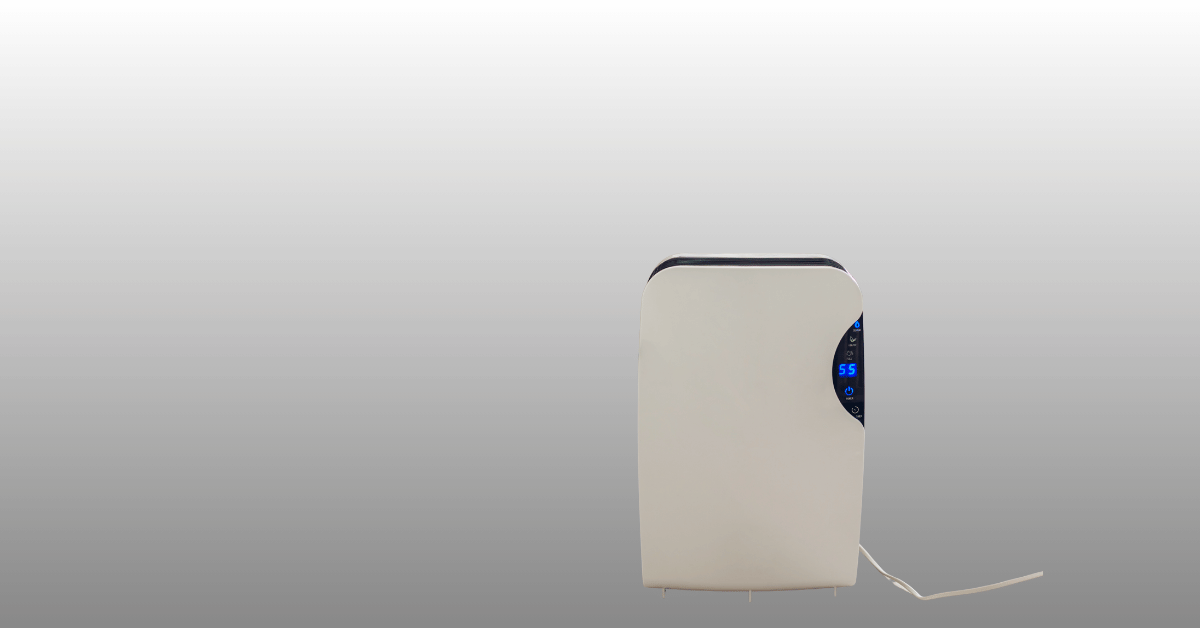
Yes—dehumidifiers are very effective for controlling and preventing silverfish because silverfish depend on high moisture to survive. If you run a dehumidifier in damp areas like basements, bathrooms, and crawl spaces, you can bring indoor humidity down to below 50%, which makes the space uncomfortable for them and helps stop infestations over time.
Why dehumidifiers work against silverfish
They remove the conditions silverfish need to live. Silverfish struggle to survive in low-humidity environments.
They reduce damp “attractant” areas. Less moisture means fewer safe, humid hiding and breeding spots.
They prevent the problem long-term. Humidity control is one of the best non-chemical, long-term ways to lower the risk of silverfish coming back.
This guide will show you ,Do dehumidifiers work for Silverfish and Why Dehumidifiers Are Effective Against Silverfish.
In addition How to get the most use out of the dehumidifier, including how to set it up, where to keep it, and, of course, the dehumidifier’s fight against silverfish
Do Dehumidifiers Work for Silverfish? Lets Find Out The Truth
Silverfish are one of the most disgusting bugs you could find in your home. They shoot around at night, eat your books, and make small holes in your clothes. Silverfish are pesky, and most people want to learn how to get rid of these annoying bugs.
You need to have no worries about it; most people don’t know this, but dehumidifiers are a great way to get rid of silverfish. Dehumidifiers suck the moist air out of the room and make the bugs either die off or move to another part of the house.
Why Silverfish Like Humidity?
Silverfish, like other insects, require moisture to survive. If you think of moisture like how fish think of water, you would be correct. The environment is humid, and when it gets too dry, silverfish, like other insects, become dysfunctional.
Silverfish can live for a long time and reproduce quickly if the humidity is right for them. Here is a list of what humidity does for silverfish:
Allows them to breathe through their skin
Ensures their bodies do not dry out
Improves digestion
Provides an optimal environment for egg laying
Provides the ideal environment for mold and fungi, which are food sources for silverfish
Silverfish prefer the following humidity:
Look at how all of the places silverfish are found are also the places with the most moisture in a house. Silverfish can be found in almost any home, and they are most commonly found in basements, bathrooms, and laundry rooms.
What the humidity needs of silverfish tell us about their evolutionary past:
Silverfish are one of the most ancient known insects. Because of this, silverfish are also one of the most ancient insects. The species of silverfish also have a respiratory system different from all other insects.
Instead of having lungs, silverfish have other ways to breathe. The small holes that you see all over their bodies are the ways that they breathe. This system is incredibly inefficient, and is a reason why silverfish are found almost only in areas that are endent, moist, and humid. If you are still stuck in dry air, the silverfish will live.
Will a Dehumidifier Kill Silverfish? (What to Expect)
Dehumidifiers don’t kill silverfish like a bug spray would. They help make a poor environment for silverfish, similar to gently raising the temperature to boiling for a frog. Adjust the bull slowly so the frog does not realize the danger.
What happens to silverfish when humidity drops:
Week 1: They start getting stressed and moving around more.
Week 2-3: Reproduction slows down significantly.
Month 1: Adult silverfish start dying off.
Months 2-3: Egg hatching decreases dramatically.
Month 3+: Population crashes if humidity stays low.
Realistic expectations:
Running a dehumidifier will not cause silverfish to die on a daily basis. Silverfish will be tough to kill and likely have pockets that the dehumidifier is not reaching. They will not die for a while.
How to know your dehumidifier is working
You notice a decrease in silverfish activity and/or find fewer silverfish during nocturnal spotting.
The silverfish you do see are moving more slowly and/or are less active overall.
You have less moisture-related destruction to your items, including but not limited to books and clothing.
The musty smell is less in the problem areas.
There is a reduction in humidity.
There are fewer humidity-loving insect pests in your home.
How long will the dehumidifier take to work?
We know most people will see a notable decrease in silverfish populations within 2-4 weeks of moisture dehumidification, as long as the dehumidifier is working consistently and continuously to dehumidify moisture from the areas silverfish are known to thrive in.
Once you notice a few silverfish, you must continue to run the dehumidifier for as long as is needed to control the humidity to noticeably impact the silverfish and their population.
Silverfish control requires a consistent and long-term safe humidification and moisture control to impact silverfish and their populations in your home.
What is the perfect humidity level for silverfish control?
When it comes to silverfish control, proper relative humidity in your home is important. If the humidity is too high, then silverfish will thrive and reproduce even more. If the humidity level is too low, then the silverfish will not breed and reproduce, and the result can be dry skin and/or excessive static electricity in the home.
The ideal humidity levels are:
Forty to fifty percent humidity: This is ideal for preventing silverfish from infesting your home.
Less than forty percent: This range is less comfortable, but it will eliminate silverfish.
Greater than fifty percent: The humidity levels are still ideal for silverfish to continue to live and breed in your home.
Greater than sixty percent: If it is above sixty percent, you will provide the best conditions for silverfish.
For seasonal conditions:
Summer: If the humidity outside is high, focus on keeping it in the 40’s.
Winter: During the heating season, you can set your humidity in the 30’s.
Spring and fall: During the non-extreme season, humidity in the 40-50% range is optimal.
For various rooms in the house:
Basement: Since it’s likely more humid, settle for 40-45%.
Bathroom: After a shower, it can be 45-50% and in between, lower to 30-40% humidity.
Living rooms: can settle for 40-50%.
Attics are usually not a problem, but they can be 40-50%.
How to accurately measure humidity
A digital hygrometer works well for each location where you have had silverfish in your home. The ones from the hardware store are fine. This can be done daily to observe the humidity in your home around the silverfish.
To see silverfish and not be affected by a heat source, air vents, and windows should be in the center. Each room should have a hygrometer away from these sources of heat, which gives the best humidity level around the silverfish.
Do Dehumidifiers Work for Silverfish?-Detailed Dehumidifier Plan (All Steps)
This is a detailed strategy for how to use dehumidifiers to manage silverfish. For best results, follow each step in order.
Step 1: Evaluate The Situation (Week 1)
As best as you can, do a walk-through of your house in the dark (flashlight up)
Write down where you encounter each silverfish.
Use a hygrometer to test the humidity in the affected areas.
Look for water leaks, condensation, or poor venting.
Take pictures of any damage to your books, clothes, or paper.
Step 2: Choose The Right Dehumidifier (Week 1)
Small areas (Bathroom, closet): 10-20 pint capacity
Medium Room: (Bedroom, office): 20-30 pint capacity
Large Areas: (Basement, Main Floor): 50+ pint capacity
Very humid areas: Add 10 points to these recommendations
Step 3: Set Up Is Crucial (Week 1-2)
Place the dehumidifier in the middle of the room (Do not place close to walls)
Set the target humidity to 45% to start.
Empty water tanks daily until you see how fast they fill (or better, out of sight, out of mind)
Run the dehumidifier continuously for the first two weeks.
Leave the door open between the treated areas.
Step 4: Continuous Adjustment and Monitoring (Week 2-4)
Consider a timeframe for hygrometer readings (daily)
If silverfish are still present, keep the target humidity at 40%
If some areas are still moist, adjust the position of the Dehumidifier.
If you see any water leaks or ventilation problems, fix them.
Keep track of silverfish sightings to monitor improvements.
Step 5: Keep it Up Long Term (From 2 Months)
Don’t stop running the dehumidifiers.
Keep them running; do the necessary maintenance (cleaning, filter changes, and tank emptying) regularly.
Seal more cracks and gaps where humid air gets in.
Run those exhaust fans in the bathrooms and the kitchen.
In the more humid areas of the house, check those humidity levels weekly.
Step 6: Stopping a Further Infestation (This Will Be Ongoing)
Get the humidity under and across control <50%
Get on top of any moisture issues to fix.
Keep books, papers, and clothes dry.
Get the cleaning done; don’t leave the food sources.
As an early warning system, do the cleaning monthly and check for silverfish.
Where to Put a Dehumidifier if Infestation Controls Silverfish
If you are battling silverfish, you need to put the dehumidifiers in the right place. Put them in the right place, and you will stop wasting power while the insects continue to thrive in humid pockets. Best locations for maximum impact:
Central areas: In the middle of the room, where air can circulate.
Problem areas: Where do you notice the most silverfish?
Lower levels: In areas where humidity drains, such as the basement or ground floors.
Away from walls: More than a foot from walls or furniture.
Basement placement:
Basements offer a silverfish paradise- spicy temperature, moisture, and a plethora of hiding areas. For center-positioned larger dehumidifiers, continuous operation is needed for moisture-optimized seasons.
Avoid positioning dehumidifiers against basement walls. Cool concrete creates a counterproductive condensation to increase humidity. Space the dehumidifiers in free-ventilation areas.
About bathrooms:
Frequent opening of shower dehumidifiers is a given, as bathrooms always gain a lot of moisture.
Help the dehumidifiers by ventilating exhaust fans that run during and after bathing.
Silverfish in the bedroom and living room:
Silverfish still lurk in the cracks of furniture in living rooms and in the clutter of closets in bedrooms. These spaces tend to be the least humid, but the sneaky insects still tend to infest these places.
Place dehumidifiers in locations where they can treat the entire space, as opposed to only one corner. Leave closet doors open to allow dry air to access these areas.
Coordination of Multiple Units
When setting up several dehumidifiers, avoid placing them in the same area. Strategically distribute them throughout the house to ‘zone’ the entire space.
Set the units to different humidity levels (40%, 42%, 45%) to determine which areas work best at those different settings. Some locations require a more aggressive approach to dehumidification than others.
Things to Avoid
Close to heat sources like furnaces or water heaters.
Areas that get direct sunlight from windows
Areas where they can get tipped or damaged (children’s play areas, for example)
Dehumidifiers vs. Ventilation vs. Air Conditioning
There are other options besides dehumidifiers for moisture control to combat humidity and silverfish. Ventilation and air conditioning also work to remove moisture, but they operate differently.
Dehumidifiers
Combining methods for the best results
Ventilation is the most free operation method. If the outside air is humid, the windows should be closed. Bathroom and kitchen exhaust fans should be used to reduce moisture.
Dehumidifiers should be used to solve the ventilation problem in closed areas. Especially basements, closets, and damp rooms should be improved by using a dedicated dehumidifier.
Using air conditioning to manage comfort and humidity in hot weather is a good idea, but it is not recommended to rely on air conditioning as a long-term humidity control solution. While air conditioning is helpful with managing humidity in hot weather, air conditioning does not work in cold weather, which means there are many months where silverfish can breed and multiply in large quantities and remain undeterred by your air conditioning.
Cost comparison:
Ventilation: Free, apart from the electrical costs of running exhaust fans.
Dehumidifiers: $20–$50/month in electrical costs for continuous operation.
Air conditioning: $100–$300+/month in electrical costs for operation, as a function of size and usage.
Effectiveness against silverfish, ranked from most effective to least effective:
Dehumidifiers. Most effective because they can be controlled, and the humidity is removed from the air.
Combined strategy / Class approach. Obtain a Ventilation Dehumidifier and place it in the target areas of your room/house.
Air conditioning. Only effective to cool your room while the outside weather remains hot.
Ventilation only. It is the least effective, but it can still be useful.
Dehumidifiers require a lot of effort to keep silverfish away. Most effort includes maintenance, which allows humidity control to be carried out while it is most needed. Neglect maintenance, and all your efforts will ultimately be in vain.
Daily tasks:
Check the water tank and empty it before it reaches the top.
Keep the humidity readings below 50%
Listen to the machine for any abnormal sounds.
Make sure the air is able to flow in and out freely.
Weekly tasks:
Wash the tank with slightly sudsy water to prevent the growth of bacteria and molds.
Dust the outside surfaces of the unit.
Check the drainage hose if one is used, and make sure it is clear.
Make sure the humidity settings haven’t changed.
Monthly tasks:
Dust the area around the unit.
Change or clean the filter as required by the manufacturer.
Check the cord and plug for any signs of damage.
Allow the tank to fill completely to test the auto shut-off.
Seasonal tasks:
Start of the humid season – clean components thoroughly
Change the hose and filter if required.
If the unit is ineffective at removing moisture, check the refrigerant levels.
When the unit is not needed, store it properly.
Ways to tell your machine needs servicing:
The tank is filling at a rate outside of the rate at which it usually fills.
Humidity is not lowering, and the unit is running constantly.
The water tank and the air coming out are producing bad smells.
Ice forming on coils shows there’s a problem with temperature or airflow.
Increased electricity bills without increased usage
If You Still See Silverfish After Dehumidifying
If you still see a few bugs after several weeks of humidity control, don’t give up. This is particularly the case with dehumidifiers.
Reasons why silverfish may still be present include:
Hidden areas with high humidity: Surreptitious humidity pockets where your dehumidifier can’t reach
Moisture from the outside: Indoor leaks & poor ventilation; high outdoor humidity
Silvery established populations: Controlling a large infestation will always take longer. They are eating even in dry conditions.
Sustained food sources: They are finding enough to eat even in drier conditions.
Other measures include:
Entry points to be sealed: Caulk cracks around window frames, door frames, and pipe entrances.
Food sources to be eliminated: Store books, paper, and textile stacks in sealed containers.
Treatment measures to be targeted: Place diatomaceous earth or boric acid in target hiding places.
General ventilation: Put in or improve exhaust fans.
Inspection methods include:
More areas that are less visible to the eye should be inspected for silverfish. They may have retreated to areas that you have not treated.
Stick traps will help you to identify the extent of the problem and the activity of silverfish in the area. Place these traps in areas that are believed to have heavy silverfish traveling at night.
Calling the professionals:
If a consistent dehumidifying for at least 3 months has not yielded silverfish activity, pest control is the next step. They will be able to identify your moisture sources and any hiding places you may have missed.
Your effort, combined with professional treatments, works better than either approach alone.
Combined Treatments
Dehumidifiers + diatomaceous earth = Dry environment + pest control
Humidity control + exclusion = Remove moisture + blockage
Consistency is key; keep humidity levels below 50% all the time. Silverfish populations rebound quickly.
Dehumidifiers only treat the symptoms; they fix the root cause of the humidity problems by treating leaks and improving the ventilation.
FAQs-Do Dehumidifiers Work for Silverfish?
Q: How long does a dehumidifier take to kill silverfish?
A: Dehumidifiers don’t kill silverfish, but most people notice a huge drop in bugs after 2-4 weeks of maintaining levels below 50% humidity. Total population control tends to take 2-3 months of consistent effort.
Q: What humidity level kills silverfish instantly?
A: No humidity level instantly kills silverfish. They can survive in very dry conditions. However, Moisture levels sustained below 40% for several weeks will take out most of the silverfish population.
Q: Do I need a dehumidifier in every room?
A: No. You should primarily focus on areas like the bathrooms, as well as basements, where you see the silverfish. Good airflow can help spread the dry air to adjoining rooms.
Q: Can silverfish become resistant to low humidity?
A: No. Silverfish cannot adapt to low humidity. They, however, can do some biology, which helps moisture move to humid areas within your house that are untreated.
Q: Should I run a dehumidifier all year for silverfish control?
A: You should run the dehumidifiers in the summer, problem areas, and all year in areas that are naturally dry during the winter, especially in places that are dry during the winter.
Q: Will a dehumidifier help with other bugs, too?
A: Absolutely. When you manage moisture, a lot of humidity-loving pests are also reduced, such as dust mites, centipedes, and some beetles.
Q: What is the cost of running a dehumidifier for silverfish control?
A: You can anticipate constant operation between $20 – 50 per month, depending on how big your unit is and the cost of electricity in your area.
Q: Should I run my air conditioning and my dehumidifier together?
A: Yes, they can actually work together. Air conditioning can provide some dehumidification, but dedicated dehumidifiers provide accurate moisture control in problem areas.
When it comes to long-term silverfish control, dehumidifiers are some of the best tools out there. They go after the source of the problem instead of the symptoms. With proper placement, maintenance, and realistic expectations, dehumidifiers can help you win the war against these creepy crawlers.
Discover the Benefits of a Quiet Dehumidifier and Air Purifier for Your Home Keeping your home clean and comfortable is important for both your health […]
Is a Humidifier or Dehumidifier for Asthma the Best Choice for You? Are you an asthma patient suffering from difficulty in breathing? Then you should […]