The Ultimate Showdown: Dehumidifier vs Exhaust Fan for Bedroom Moisture – Which Is Best?
When it comes to controlling moisture in your bedroom, two common options come to mind: a dehumidifier and an exhaust fan. Both help reduce excess moisture, but they do it in different ways. So, how do you know which one is the best for your bedroom? In this guide, we will break down the pros and cons of each to help you decide which solution is better for your needs.
Understanding Bedroom Moisture Issues
Bedroom moisture problems are common, especially in humid climates or during wet seasons. When humidity levels are high, it can cause condensation issues, which lead to moisture buildup. This, in turn, affects the indoor air quality and your comfort. Mold can also grow in damp areas, leading to health problems. So, managing humidity control is important for a comfortable and healthy environment.
Causes of High Humidity
Several factors contribute to high humidity in the bedroom. These include poor ventilation, damp weather, or even activities like showering or drying clothes indoors. Without proper air circulation, the moisture lingers in the air and settles on surfaces, increasing the chance of mold growth.
Impact on Indoor Air Quality
When excess moisture hangs around, it negatively impacts your indoor air quality. High humidity can cause allergens like mold and dust mites to thrive, leading to breathing problems or allergic reactions. Ensuring good air circulation is crucial to keeping the air fresh and breathable, especially in closed rooms like the bedroom.
Related Article: What Does A Dehumidifier Do And How Does A Dehumidifier Work?
Dehumidifiers: Pros and Cons
How They Work
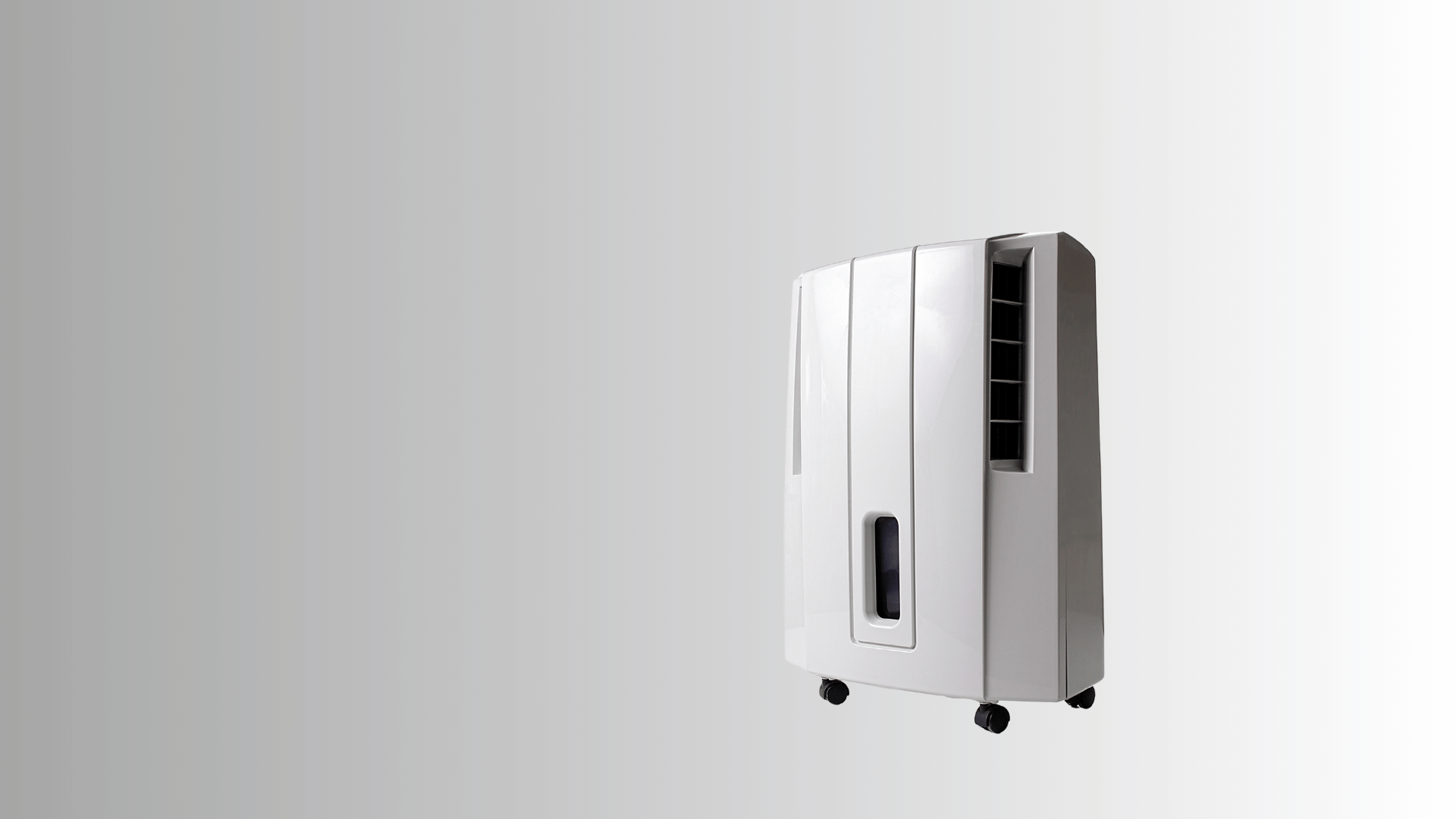
A dehumidifier works by drawing in humid air, removing the moisture, and then releasing the dry air back into the room. This process helps lower the overall humidity level in your bedroom.
Benefits of Humidity Control
Dehumidifiers are excellent for controlling moisture, especially in rooms where the humidity is constantly high. They can effectively reduce condensation issues, preventing mold and mildew from developing. They also help in keeping your bedroom at a more comfortable level for breathing and sleep.
Energy Efficiency Considerations
Many modern dehumidifiers are designed with energy efficiency in mind. They can run continuously, removing moisture without using too much power. But keep in mind, some models may consume more energy depending on the size of your bedroom and the humidity level you are trying to maintain.
Smart Dehumidifiers: Are They Worth It?
With advancements in technology, smart dehumidifiers are now available. These models can be controlled remotely via your smartphone, allowing you to adjust settings, monitor humidity levels, and set timers. While they are a bit more expensive, they offer the convenience of being able to manage the room climate easily.
Related Article:Why is my dehumidifier blowing hot air?
Exhaust Fans: Pros and Cons
Functionality and Air Circulation
An exhaust fan works differently from a dehumidifier. It pulls out moist air and exhausts it outside. This improves air circulation and helps remove excess moisture from the room, especially if there is a lot of damp air entering from outside. It works best in areas with windows or direct airflow.
Benefits of Ventilation Solutions
Exhaust fans are great for improving overall ventilation solutions. They are particularly effective in rooms where the moisture comes from internal sources, like cooking or showering. By running the fan, you can instantly expel the moist air and bring in fresh air, which can help in mold prevention and improve your bedroom comfort.
Exhaust Fan Installation Considerations
Installing an exhaust fan might require some work, especially if your bedroom doesn’t already have proper venting. You’ll need to make sure that there is a clear path for the air to be expelled outside. Proper exhaust fan installation is key to ensuring its effectiveness. Some rooms may require professional help for the setup.
Comparison: Dehumidifier vs Exhaust Fan
Efficiency in Moisture Removal
Both dehumidifiers and exhaust fans can remove moisture, but they do so in different ways. A dehumidifier actively removes moisture from the air, making it a more targeted solution for reducing humidity. On the other hand, an exhaust fan works best when the room is already ventilated and helps maintain a balanced moisture level. So, in terms of moisture removal, a dehumidifier might be slightly more efficient for rooms with high humidity or persistent dampness.
Effectiveness Against Mold Prevention
Dehumidifiers are generally more effective at preventing mold growth. Since they reduce the humidity control directly, mold has a harder time thriving in the room. Exhaust fans can help with ventilation and remove some of the moisture, but they are not as effective at completely lowering humidity levels. So, for mold prevention, a dehumidifier takes the lead.
Overall Bedroom Comfort
In terms of bedroom comfort, both options have their advantages. A dehumidifier makes the air feel drier and fresher, which can help with better sleep and breathing. However, an exhaust fan can improve air circulation and freshen up the room when it’s stuffy or when the weather is particularly humid outside. If your room suffers from high moisture levels, a dehumidifier is probably the better option. But if you just need better air exchange and fresher air, an exhaust fan might be enough.
Dehumidifier vs Exhaust Fan for Bedroom Moisture-Which Option Is Best for You?
The choice between a dehumidifier and an exhaust fan depends on your specific needs. If you live in a humid climate or deal with constant moisture problems, a dehumidifier is likely your best option. It will help you manage humidity control and prevent mold growth. However, if you just need better ventilation solutions and air circulation, an exhaust fan might be a simpler, more cost-effective solution.
Recommendations Based on Room Climate Management
If your bedroom experiences condensation issues or if the air feels sticky and damp, a dehumidifier will likely provide better moisture control and improve indoor air quality. However, for those looking for a more energy-efficient way to manage room climate and improve ventilation without excessive energy use, an exhaust fan installation might be the ideal choice.
Ultimately, the right solution depends on your personal needs, room size, and the climate you live in.
Related Article:Does running a dehumidifier help the air conditioner
FAQ: Dehumidifier vs Exhaust Fan for Bedroom Moisture
1. What is the difference between a dehumidifier and an exhaust fan for moisture control?
A dehumidifier actively removes moisture from the air by drawing in humid air, extracting the moisture, and releasing dry air back into the room. An exhaust fan, on the other hand, works by pulling moist air out of the room and exhausting it outside, improving air circulation and ventilation solutions.
2. Which is better for mold prevention – a dehumidifier or an exhaust fan?
A dehumidifier is generally better for mold prevention because it directly reduces the humidity level in the room, making it harder for mold to grow. While an exhaust fan can help with ventilation, it does not lower humidity as effectively as a dehumidifier.
3. Can a dehumidifier improve indoor air quality?
Yes, a dehumidifier can significantly improve indoor air quality by removing excess moisture, which reduces the growth of allergens like dust mites and mold. This helps make the air fresher and easier to breathe, especially in damp rooms.
4. How does energy efficiency compare between a dehumidifier and an exhaust fan?
Generally, an exhaust fan tends to be more energy efficient than a dehumidifier because it doesn’t require as much power to operate. Dehumidifiers, especially larger models, can use more energy, but modern models are designed with energy efficiency in mind, helping to reduce power consumption over time.
5. Is a smart dehumidifier worth the investment?
If you want convenience and the ability to control your room’s humidity remotely, a smart dehumidifier can be a good investment. It allows you to monitor and adjust humidity levels via your smartphone, making it easier to maintain optimal humidity control. However, for basic moisture control, a regular dehumidifier may suffice.
6. When should I use an exhaust fan instead of a dehumidifier?
If your bedroom is suffering from condensation issues or you need better air circulation due to damp weather or a stuffy room, an exhaust fan is a great choice. However, if you are dealing with consistently high humidity or want to prevent mold, a dehumidifier is likely a better solution.
7. What are the installation considerations for an exhaust fan?
Proper exhaust fan installation requires ensuring there’s a direct path for the moist air to be expelled outside. You may need to hire a professional for installation if your bedroom doesn’t already have proper venting or if you’re dealing with complex ventilation needs.
8. Can a dehumidifier help with condensation problems in my bedroom?
Yes, a dehumidifier can effectively address condensation issues by reducing the humidity in the air, which helps prevent moisture from building up on windows and other surfaces in the bedroom.
9. What are the advantages of using a dehumidifier in a bedroom?
A dehumidifier provides targeted moisture removal, which helps in controlling humidity, preventing mold growth, improving indoor air quality, and enhancing overall bedroom comfort. It is especially beneficial in rooms with persistent high humidity or poor ventilation.
10. Are there any downsides to using an exhaust fan?
While an exhaust fan is great for ventilation solutions and improving air circulation, it may not be as effective as a dehumidifier in reducing humidity levels, especially in rooms with persistent dampness. It can also be noisy and may require regular maintenance to keep it running smoothly.
Related Article:How to choose the right dehumidifier for whole house use