Comparing Whole House vs. Portable Dehumidifiers
Most people do not think about humidity levels in their homes until they notice problems, like damp spots on walls, foggy windows, musty smells, or even mold in the bathroom or basement.
That sticky, uncomfortable feeling during summer is another clear sign that your home might have too much moisture. A dehumidifier can help solve many of those problems. But a big decision you will face is whether to go with a whole-house (ducted) dehumidifier or a portable (standalone) unit.
Here is the comparison of the two approaches, looking at upfront cost, operating cost, coverage & effectiveness, maintenance & lifespan, and non-monetary factors like noise and convenience. By the end, you should have a clearer idea of which is the better choice for your home.
Related Article: How to choose the right dehumidifier for whole house use
Comparing Whole House vs. Portable Dehumidifiers: Which One Is Right for You?
Portable dehumidifiers
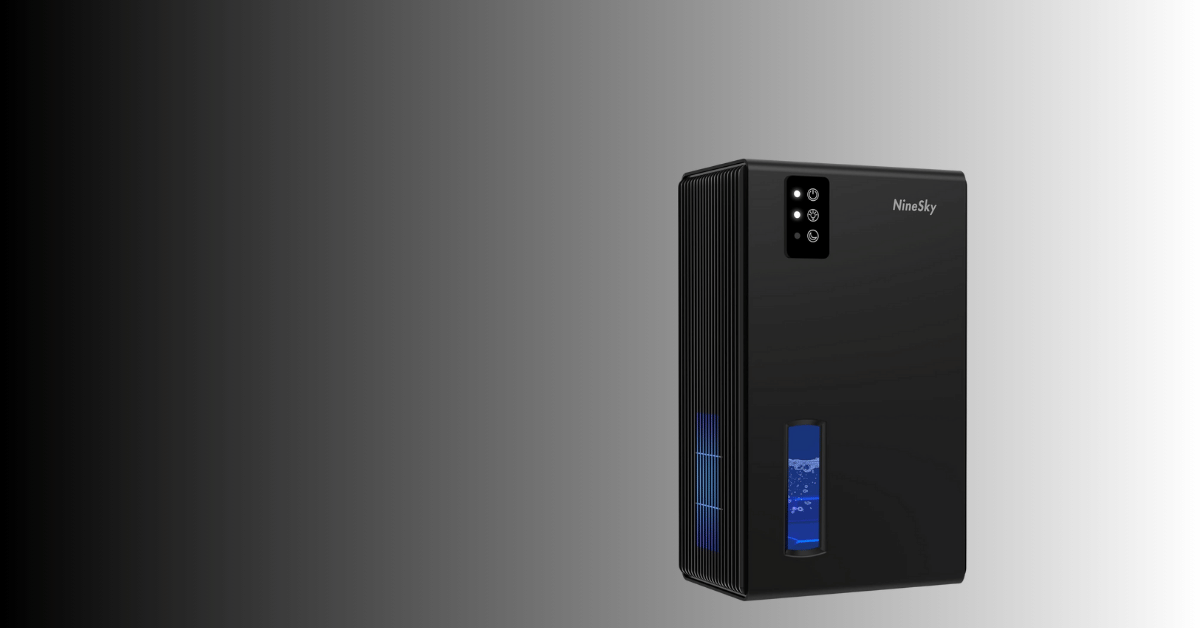
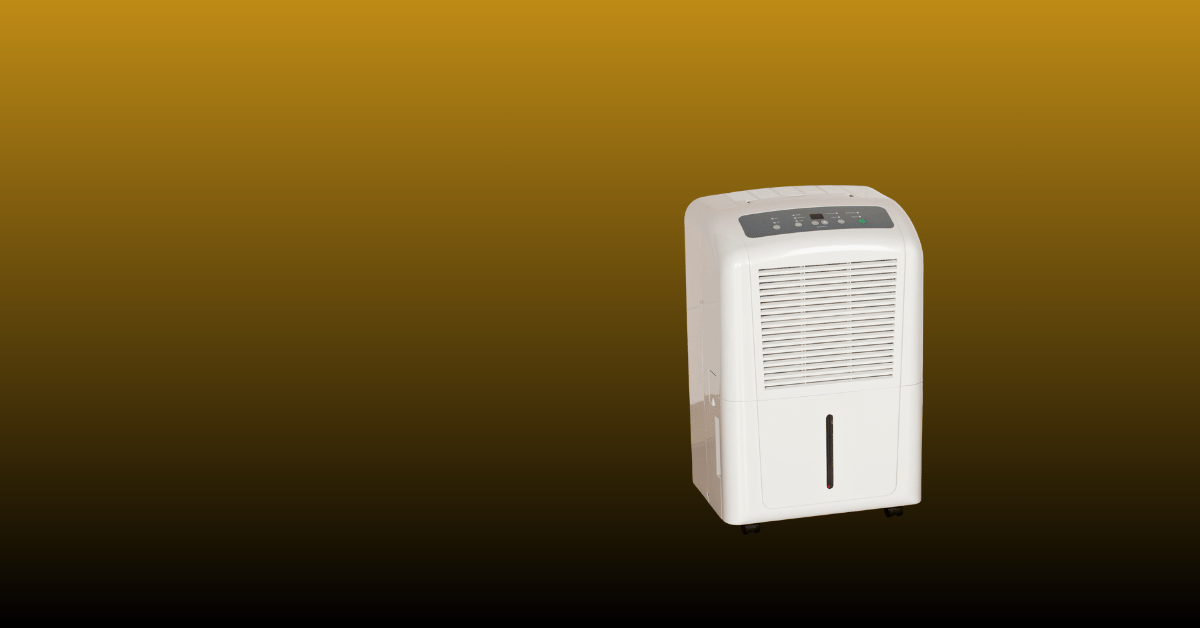
These are standalone units you plug into a standard outlet and place directly in a room (or area) that needs moisture control. They pull in humid air, cool it (or otherwise condense or absorb moisture), collect the water in a tank or direct it to a drain, and return drier air to the same room. Many models are compact and mobile, with wheels or handles, and are intended for single rooms, basements, attics, or other trouble spots.
Pros: portable, lower up-front cost, relatively easy to install and use.
Cons: limited coverage, possibly noisy, manual maintenance (emptying tanks, cleaning filters), less efficient per unit of air volume, may struggle if run constantly or across many rooms.
Whole-house dehumidifiers
Also called central or ducted dehumidifiers, these are integrated into your home’s HVAC (heating, ventilation, air conditioning) ductwork system. As air circulates through the HVAC system, the dehumidifier treats it. Removing moisture before the conditioned air is delivered to all rooms.
These systems are generally installed in a mechanical room, attic, basement, or next to the furnace/air handler. They are hidden from view and handle the entire home (or significant zones) rather than just one room.
Pros: uniform humidity control throughout the home, automatic drainage (no bucket to empty), quieter in living spaces, lower need for user intervention.
Cons: higher initial cost (unit + installation), requires professional setup, less flexible, and greater complexity (ductwork, controls, integration with HVAC).
A Simple Comparison
| Feature | Whole House Dehumidifier | Portable Dehumidifier |
| Coverage | Removes moisture from the entire home through your HVAC system. | Works in one room or a small area at a time. |
| Installation | Requires professional installation and connection to your HVAC ducts. | Plug-and-play — just place it where needed and turn it on. |
| Upfront Cost | Expensive — usually between $2,000 to $6,000, including installation. | Affordable — usually between $150 to $500, depending on size. |
| Operating Cost | More energy-efficient for large spaces; runs quietly in the background. | Can use more electricity if you run several units. |
| Maintenance | Low maintenance — automatically drains water and needs only occasional cleaning. | Requires frequent emptying of the water tank and filter cleaning. |
| Noise Level | Very quiet — installed away from living spaces. | Louder — fan and compressor noise can be heard in the room. |
| Lifespan | Long-lasting — about 10–15 years with proper care. | Shorter — typically lasts 3–5 years. |
| Best For | Large homes or those with humidity problems in multiple rooms. | Small homes, apartments, basements, or single-room use. |
| Value | Higher upfront cost but better long-term comfort and efficiency. | Budget-friendly and flexible but limited in coverage. |
To know all the details read on dehumidifier installation read on our whole house dehumidifier installation guide
Upfront Cost: Which is more expensive?
Upfront cost is often the first barrier many people look at — and it’s where portable dehumidifiers shine.
- Portable units typically cost anywhere from $150 to $500 or more, depending on capacity (pint/day rating), features (humidistat, pump, continuous drainage, digital display, smart control), energy efficiency, and brand.
- Whole-house units are much more expensive. Depending on the size of your home, complexity of ductwork, and installation labor, the total installed cost can run $2,000 to $6,000 (or more in some markets).
In other words, if your moisture problem is localized (for example, a damp basement or a bathroom), the portable route has a much lower barrier to entry.
For whole-house units, you also have to account for:
- Labor for installing into ductwork (cutting, fitting, sealing)
- Electrical wiring or circuit upgrades, if needed
- Drainage plumbing tie-in (to a condensate line, floor drain, or pump)
- Controls, dampers, or sensors integrated with HVAC
- Possible duct modifications or balancing
Thus, while the dehumidifier unit alone may be expensive, the real cost is in the installation and integration.
Operating Cost & Energy Efficiency
Running costs depend on how often and how hard your dehumidifier works.
Portable Dehumidifiers:
Portable units use electricity based on size and usage time. They often run 8–12 hours a day during humid months, costing around $12–$30 per month. Costs can go higher in very damp areas or if you use multiple units.
Whole-House Dehumidifiers:
Whole-house systems usually cost about $15–$25 per month to run. They are more energy-efficient because they work with your HVAC system and maintain steady humidity levels.
In Short:
Portable units are cheaper upfront but may cost more to run long-term, especially if you need several. Whole-house systems cost more initially but save energy and effort over time.
Related Article: What Does A Dehumidifier Do And How Does A Dehumidifier Work?
Coverage, Effectiveness & Value
One of the biggest distinctions is coverage and effectiveness in practice.
Portable dehumidifiers
- Best suited for small to moderate spaces: basements, single rooms, crawl spaces, attics, damp closets.
- If you try using one portable unit for an entire multiple-room home, humid air in distant rooms may never cycle through the unit, leaving uneven humidity control.
- For multi-room control, you may need multiple portable units, which reduces efficiency, increases cost, and complicates maintenance.
- In large homes or spread-out layouts, portable units may struggle to maintain consistent humidity levels everywhere.
Whole-house dehumidifiers
- Designed to treat all air passing through the HVAC system, thus ensuring more even humidity control across rooms and floors.
- Because the unit is integrated into the air handling system, there is no dead zone or corner you forgot to place the portable unit in.
- Ideal for homes where humidity is a pervasive issue (throughout the house) rather than localized.
- Supports better air quality control (all rooms are treated, fewer pockets of stale humid air).
If the value you care about is “a comfortable, controlled humidity level across the entire home, with minimal fuss,” whole-house systems generally offer better performance.
But if your needs are limited or localized, portable units might give you more “bang for your buck.”
Maintenance, Longevity & Reliability
Another major factor is how much maintenance you’ll need to do and how long the systems last.
Portable units
- These often require frequent maintenance: emptying water collection tanks (unless they support continuous drainage), cleaning or replacing filters, inspecting coils, and ensuring proper airflow.
- The more you have to intervene (emptying buckets, cleaning), the more friction for the user.
- Portable dehumidifiers typically last 3–5 years, depending on build quality and operating load.
- Because they are exposed and moved around more, wear & tear or damage risk might be higher.
Whole-house units
- These are generally more durable, higher-quality components, and fewer “user interactions.”
- No water bucket to empty, they are typically plumbed to drain.
- Maintenance is mostly periodic: changing or cleaning air filters, checking coils, verifying drainage, and checking control sensors.
- Lifespan can often reach 10–15 years or more, depending on build quality and servicing.
- Because they’re installed in controlled mechanical spaces and are less handled, they may experience fewer mechanical stresses.
When you amortize the higher initial cost over a longer lifetime and lower upkeep, the effective cost difference narrows.
Noise, Aesthetics & User Experience
Even a dehumidifier that works well on paper might be annoying in practice if it’s too noisy, unattractive, or cumbersome.
Noise
- Portable dehumidifiers are often placed in living spaces or rooms, so you’ll hear the fan, compressor hum, or rattle in the same room where occupants are. In quiet settings (bedrooms, offices), this can be noticeable.
- Whole-house units are typically installed in basements, utility rooms, or mechanical rooms — out of earshot of living spaces. In effect, they operate silently from the occupant’s perspective.
- Because they are integrated with ductwork, you won’t have individual noisy units cluttering your spaces.
Aesthetics / Footprint
- Portable units take up floor space, may require hoses or drains, and may clutter corners. They need proper clearance for airflow.
- Whole-house units are hidden, out of view, and don’t clutter rooms.
- Portable units may interfere with furniture, movement, or aesthetics in the rooms they serve.
Convenience
- A portable unit may require you to empty the reservoir, monitor the water level, reposition it, and maintain it.
- Whole-house units require far less daily user input — they “just work” behind the scenes.
- You also avoid needing to decide where to place (or move) portable units in different seasons or rooms.
Related Article: Top Benefits of Installing a Whole House Dehumidifier
When to Choose Which — Use Cases & Decision Factors
Here are some guidelines to help decide when a portable or whole-house dehumidifier might be the better fit.
Choose portable if:
- Your humidity problem is localized (a damp basement, bathroom, or a few rooms) rather than throughout the house.
- You have a limited budget, and you want to test whether dehumidification helps before committing to a large system.
- You live in a rental or move frequently, so installing a fixed system isn’t convenient or permitted.
- Your home already has excellent humidity control via air conditioning, and you only need supplemental dehumidification in problem spots.
- You want a quick setup without waiting for contractors.
Choose whole-house/ducted if:
- Humidity issues are widespread — in multiple rooms, floors, or your entire house.
- You run portable units in many parts of your home already, and find it’s cumbersome, noisy, or costly.
- You want “set and forget” convenience, minimal intervention, and a quieter home experience.
- Your HVAC system is capable (or can be adapted) to integrate with a dehumidifier.
- You plan to stay in your home for years, so the longer lifespan and higher initial investment make sense over time.
- You want uniform air quality and humidity control across all rooms, not just treated ones.
Cost vs. Worth: Is It “Worth It”?
The heart of the question is: does spending more on a whole-house dehumidifier give you enough extra comfort, health benefits, and long-term value to make it worth the price compared to using portable units?
Here are some value considerations:
- Prevention of mold and damage: Controlling moisture is critical for preventing mold, mildew, and structural or finish damage (wood rot, peeling paint). In humid climates or older homes, this value can be significant.
- Health benefits: For allergy sufferers, asthma, or people sensitive to damp, consistent humidity control helps reduce mold spores, dust mites, and musty odors.
- Comfort: Dry air feels cooler and more comfortable; controlling humidity often means you can maintain comfort at higher thermostat settings, saving on cooling costs.
- Resale/property value: A home with reliable humidity control may be more attractive to buyers, especially in humid regions.
If your home is relatively small, well-sealed, or you already have good humidity control, a portable option might “do enough” that the full system never fully pays off. But in larger homes, humid climates, or persistent humidity issues, a whole-house solution often delivers better long-term value.
Related Article: Is a Dehumidifier Good For Congestion?
Key Metrics & Things to Check Before Buying
When comparing specific units (either portable or whole-house), here are important metrics and factors to examine:
- Pint/day (or liter/day) capacity: How much moisture the unit can remove per 24 hours under standard conditions.
- Energy efficiency: Higher efficiency means more moisture removed for less energy.
- Operating conditions (temperature, humidity range): Some units work poorly at low temperatures or in very humid air.
- Drainage options: Gravity drain, pump, continuous drain (hose), or condensate plumbing.
- Controls & automation: Humidistat (auto on/off based on humidity), built-in sensors, scheduling, smart controls.
- Filtration/air quality features: Some units also filter particulates, odor, or integrate with ventilation.
- Warranty & support: Especially for whole-house units, warranty and availability of service/parts are critical.
- Noise level: Especially for portable models in living spaces.
- Duct compatibility and airflow impact (for whole-house): Whether the units impose pressure drops, duct redesign, and how they integrate.
- Maintenance ease: Access for filter changes, coil cleaning, and drainage access.
- Build quality and durability: Materials, compressor robustness, and corrosion resistance.
Conclusion & Recommendation
Comparing whole-house (ducted) vs portable dehumidifiers is not only about cost but also about question of scale, convenience, performance, and long-term value.
- Portable dehumidifiers offer low upfront cost, flexibility, and simplicity — ideal for spot dehumidification or smaller spaces.
- Whole-house dehumidifiers require higher initial investment and professional installation, but deliver consistent, uniform humidity control across the home, with less day-to-day maintenance and quieter operation.
If your humidity problems are confined to specific rooms or you’re on a tight budget, portable units are a great starting point. But if you’re dealing with pervasive humidity across your home or already running multiple portable units , a whole-house system often pays off in comfort, ease, and long-term value.
Related Article: Top Benefits of Installing a Whole House Dehumidifier
FAQ Section
Q: What is the difference between a whole-house dehumidifier and a portable dehumidifier?
A whole-house dehumidifier is designed to control humidity throughout an entire home by integrating with your HVAC system. It provides consistent moisture removal in all rooms. On the other hand, portable dehumidifiers are stand-alone units that can be moved from room to room and are ideal for smaller spaces or specific areas that need humidity control.