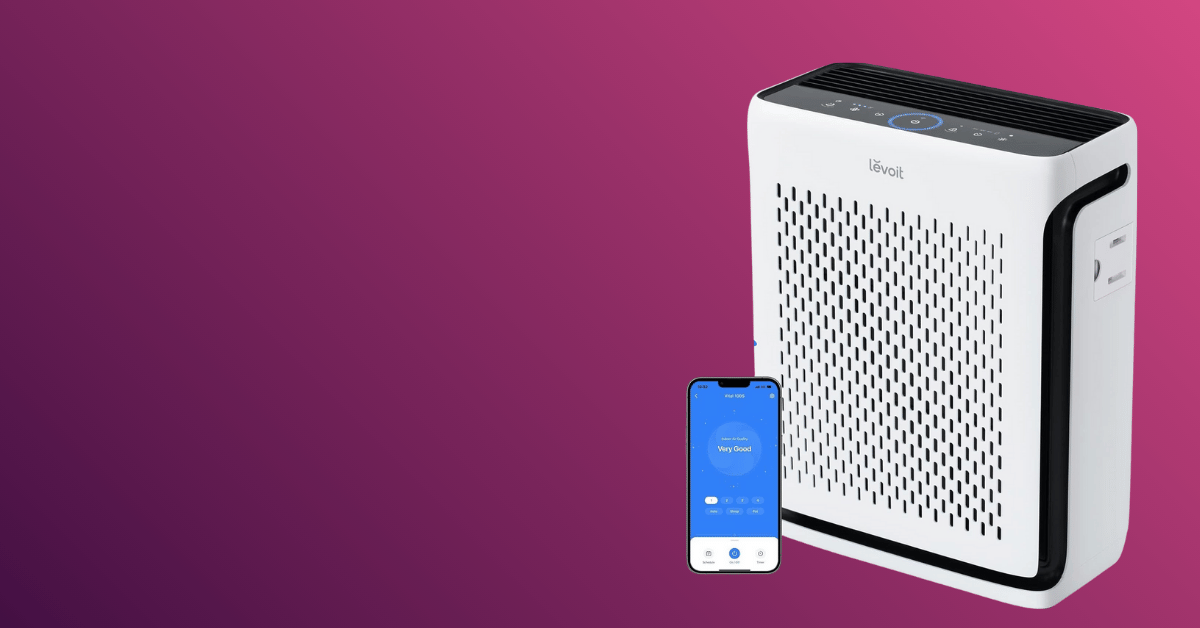
A lot of people ask, “Can I keep my air purifier on all day and night?” The answer is yes, you can keep it on all the time, and it is recommended you do so.
This is especially true if you wish to avoid the accumulation of airborne contaminants and particles, dust, allergens, smoke, and odors in your indoor space. Most air purifiers manufactured today are equipped with modern energy-efficient technology.
This allows them to consume a bare minimum of electricity, even when they are on 24/7. Keeping up with regular maintenance like cleaning the pre-filters and replacing the HEPA filters helps a lot. It avoids reduced effectiveness or secondary pollution from clogged filters.
Can I Leave the Air Purifier On 24/7?Pros, Cons, and Best Practices
Air purifiers are specifically designed to run nonstop. The innovative built-in automatic sensors turn off the air purifier when the air is clean or set to a low fan speed to save energy.
It will turn off when it no longer detects the presence of air contaminants and pollutants. The innovative design of these purifiers is meant to help your home have the clean air that is healthy to breathe while saving electricity. This is, after all, the primary function of the air purifier.
What Are the Costs for Operating an Air Purifier for the Whole Day?
Many people think air filters are a heavy burden on power consumption; however, that is not the case. Most HEPA filters are built as energy-efficient appliances, made for consistent use.
On average, an air purifier consumes power within the range of 50 to 100 watts. This is a good range for an appliance, and if you were to use an air purifier continuously, the additional costs won’t exceed $4-$10 monthly. This is a very small price to pay for cleaner air and a healthier living environment.
Benefits of Investing in Air Purifiers for 24/7 Usage
There is a lots of benefits for your health and improve sleep quality.
Auto Mode Saves Energy:
Most new class purifiers come with an auto mode for adjustment of fan speed concerning air quality.
This ensures the unit is not overspending on electricity, as the motor will only be running at higher speeds when the air to be purified is heavily laden with particles, and it will turn the fan down when the air is reasonably clean.
Safety Features Built-In:
Most air purifiers come equipped with some type of short-circuit protection. This means that if a power fault occurs, the machine will power down. This type of technology makes it safe to use these appliances continuously throughout the day and at night when you are sleeping.
Healthier You, Healthier Home:
Running an air purifier helps prevent smoke, dust, pet dander, mold spores, bacteria, viruses, and odors from accumulating. The benefit? Freeing air from harmful particles and creating a family-friendly space.
Pro tip: Purifiers should be used continuously, as taking a break, even for a few hours will allow dust, dander, mold spores, and other harmful particles to accumulate. The best way to preserve air is to always run the purifier.
Air is Purged with Continuous Filtration
Smoke, dust, bacteria, and viruses, and even allergens are always in danger of being inhaled. Running an air purifier constantly will help eliminate harmful particles in air, long before inhaling it.
Improved benefits: Reduction in allergy and asthma triggers, and prevention of nighttime congestion helps guarantee good health.
Cleaner home: Dust settles less on furniture, draperies, and walls with continuous air circulation.
Turning off the purifier ceases air filtration, permitting contaminants to reintegrate and reverse progress.
Minimal Energy Use
Air purifiers do not use large amounts of electricity.
Typical usage: 50 to 100 watts per hour. This varies with the model and fan speed selected.
Monthly cost with 24/7 use: $4 to $10, equating to $72 to $120 annually.
More energy-efficient models: Energy Star certified air purifiers and similar models with Energy Star certifications consume even less providing additional savings.
They come with built-in sensors to track air quality.
They are programmed to change fan speeds based on pollution, providing a high speed when dirty and a low speed when clean air is detected.
Reduced noise for sleep, less energy use, and continuous protection without manual adjustments.
Safety Features
Leaving a purifier on while sleeping requires attention: modern devices are equipped with short circuit protections. These devices will turn off the whole system when an electric error occurs.
Now you can have the peace of mind that you can run your purifier all night and not worry about the fire alarm going off.
Related Article: Does an Air Purifier Help with Carbon Monoxide?
Should You Run Your Air Purifier All Night?
It is beneficial to leave your air purifier on overnight due to the following:
Air quality is well-maintained: Allergens and pollutants are constantly present in the environment. Airborne particles are filtered out and can nevertheless be contaminated. Therefore having an air purifier on 24/7 is helpful in maintaining the quality of air in your surroundings.
Improves asthma and allergy symptoms: Minimizing triggers makes breathing during the night so much easier.
Calms you for a well-needed rest: Quiet models are now a few and several older Air Purifiers. The optimal setting for breathing and air quality in the bedroom is rest. The Nuwave OxyPure Zero has a quiet DC motor as well as Sleep Mode that dims lights and slows the fan considerably.
Considerations and Potential Drawbacks
The following are issues that you may want to address:
Increased energy costs: Continuous use of the purifier will incur added energy costs which may not be cost efficient. Energy efficient air purifiers are now available that have an Energy Saver or Auto Mode that adjusts the speed of the fan according to the rate of detecting the pollutants in the room.
“Out of sight, out of mind” Ozone: Some air purifiers unfortunately emit ozone, which aggravates the lungs. Always check the specifications to make sure that the unit is safe to be used for a long time.
Best Practices For Air Purification At Night
Here are some things you can do to make your air purifier work best during sleep:
Invest in air purifiers with a HEPA filter: Air purifiers with a HEPA filter for allergens and an activated carbon filter for odors works best.
Best place for an air purifier: Make sure it is placed in your room where there is an unblocked flow of air.
Pre filter and HEPA filter maintenance: Regularly clean and replace pre-filters and HEPA filters.
Indoor Plants: Snake plants and spider plants are an indoor plant that can help in pollutant absorption.
Monitor airflow: Make sure to open windows where possible for air exchange.
Control of humidity: An air humidity between 30% to 50% works best to avoid mold and dust mites.
Regular maintenance: Wash or vacuum dust regularly with a HEPA filter vacuum.
Eco friendly cleaning: Switch to use of vinegar or baking soda to replace traditional cleaning products.
Low emission furniture: Use furniture that has an eco cert.
Shoe removal: Avoid contamination from the outdoors inside by removing shoes.
Related Article:Can an air purifier help with dust?
Pros vs Cons of Using Air Purifiers Overnight
| Pros | Cons |
| Maintains consistent air quality all night | Slight increase in electricity usage |
| Reduces allergy & asthma triggers while sleeping | Some models may produce low-level noise |
| Prevents dust and pollutants from re-accumulating | Cheap/non-certified units may release ozone |
| Improves sleep quality with cleaner air | Filter replacement costs may increase with nonstop use |
| Modern units have Auto Mode to save energy | – |
| Built-in safety features reduce fire risks | – |
The takeaway: In most situations, air purifier’s benefits outweigh the drawbacks. Using a reputable air purifier will ensure that using it overnight will be safe and energy efficient.
Is it cost effective to leave the air purifier on for 24 hours?
The air purifier can be left on at all times. It is safe and cost-effective. If that is a concern, turn the energy efficiency rating to the lowest setting. An energy-saving model will also do the job. Couple it with a few indoor plants and you have a fresh and efficient room.
Can i leave air purifier on 24 7-Ultimate Answer: Always Keep It On
Keep air purifiers on at all times to ensure:
The air stays clean and devoid of pollutants.
Allergens, dust, and odors are significantly reduced.
Expending a minimal amount of energy.
Thanks to modern efficiency and safety features, air purifiers have become safer and smarter.
Running an air purifier 24/7 ensures maximum family safety and is critical for any family concerned for their health.
Related Article:Can an air purifier help with mold?
Can i leave air purifier on 24 7- Frequently Asked Questions
What Speed Should You Leave an Air Purifier On?
As for personal preferences, air quality, room size, noise level, and comfort affects all branched settings, including the ideal level for the purifier’s fan.
High Speed: The noisier option serves air the best for heavily polluted areas during cooking, cleaning, or even wild fire.
Medium Speed: For areas used frequently having moderate air quality, this setting is the most comfortable balance of noise, energy, and effectiveness.
Low Speed: The best option during the night for quieter operation or maintaining air in already good conditions.
Auto Mode: Built-in sensors adapt fan speed to the air quality, making this option the most energy efficient.
Night Mode: Ideal for bedrooms, some units reduce noise and light, enabling users to sleep while dimming lights.
Always use air quality indicators to guide speed settings and check manuals for the best recommendations.
Related Article:Do air purifiers help with a Stuffy Nose
Do Air Purifiers Use a Lot of Electricity?
As air purifiers are energy efficient appliances, most ranging between 20-100 watts of power to operate use, the equivalent of a standard light bulb.
Cost to run: approximately $4–$10 if used continuously for the month.
Energy Consumption: Includes
Fan speed (higher speed = more power needed).
Room size against purifier capacity (right-sized units are more efficient).
Air quality (highly polluted means the purifier works harder, but usage drops when air improves).
Energy-saving Measures:
Choose the right purifier size for your space.
Running at low and medium speeds is more efficient.
Smart models with sensors that adjust automatically are more efficient
Running continuously on low is often more efficient than switching on and off.
Do you need air purifiers in all rooms?
Position in high traffic areas and placed in high-use areas to be more efficient.
Where to place them:
Bedrooms: Clean air improves sleep and helps with allergy and asthma relief.
Living rooms: Clean air for the space most utilized.
Kitchens & Offices: Removes odors, smoke, and other pollutants.
When not needed:
Rarely used rooms (guest rooms).
Large open-concept spaces. A single high-capacity unit suffices for the space.
Whole-home option: Consider an HVAC-integrated purification system for large houses with severe air quality concerns.
Bottom line:
Settings on Auto Mode or medium speed for daily usage.
24/7 operation is safe, affordable, and effective.
Pro tip-Use an air purifier for specific key spaces rather than isolating every room unless other areas require specific air quality improvement.
Related Article: do air purifiers help with asthma?
Should You Leave Your Air Purifier On When You’re Away From Home?
Yes, it is advisable to keep your air purifier running even if you are away from the home. Below are some reasons to support the same:
Benefits of Continuous Operation
Ongoing cleaning: Air filters get rid of air pollutants such as dust, allergens, and even odors by pulling air. Running your air filter without limitation guarantees the air is continuously free from impurities.
Prevents re-contamination: The moment an air purifier is shut off airborne particles tend to begin to drift around the room thus contaminating the air again.
Health protection: Air purifiers support smooth breathing and general well-being by reducing allergens and airborne irritants, especially for asthmatic and allergic individuals.
Convenience: If you forget to switch the device on after returning home thus keeping it on alleviates such burdens.
Cost and Maintenance Considerations
Energy Use: Most air purifiers are energy-friendly. They are similar to light bulbs in energy consumption, thus having them running the entire day won’t eat up your budget.
Cost of filters: Having air filters running continuously means that the replaceable filters would require changing more often. In this specific case, cleaner air is more than worth the sacrifice.
Smart modes: Most models come equipped with Auto Mode or Eco Modes which ramps fan speed up or down depending on air quality. These modes help save money and achieve efficiency.
For those wanting to achieve a specific air quality, leaving the purifier on while out is the most effective method. For stronger efficiency, use the device with an energy-smart model that optimally balances cost, airflow, and convenience.
Related Article: Do Air Purifiers Affect Humidity Levels?
How Long Should You Run an Air Purifier in Your Bedroom?
For best results, experts advise that air purifiers in the bedroom be run continuously, 24/7. This is crucial for combating dust, allergens, and pet dander, especially for allergy and asthma sufferers.
If you cannot run it continuously for the entire day, at the very least, you should:
Use the purifier 30 minutes to 2 hours before bed to clear the air.
Maintain at least 8 hours of operation while you sleep for overnight protection.
For Excellent Indoor Air Quality
Always On: For continuous air cleaning without backup contamination, this is the preferred operational mode.
Set timers: If constant operation is not preferred, for certain time windows, such as a couple of hours in the evening before sleep, a timer can be set. This is especially useful during allergy seasons.
Addressing Specific Requirements
Allergies and asthma: For maximum symptom control, the purifier should be kept running at all times.
Burnt smell, cooking odors, or other strong pollutants: Remove the odors by running the purifier at high speed for a few hours.
Room Size: In general, larger rooms will take longer to clean or will need to be continuously operated. Smaller bedrooms are a different case and will need less.
CADR: Clean Air Delivery Rate or CADR indicates how fast air can be filtered. The Clean Air Delivery Rate is an essential aspect of air filtration. A higher CADR enables quicker and more efficient air cleaning.
During the course of a single day, activities like cooking, cleaning, or even opening windows can introduce new pollutants. These activities will greatly vary from one to the next in terms of dirtiness and require different time budgets to be self-sufficient.
For clean air in the bedrooms, continuous operation is preferred. If not, at the very least, the air purifier should be run during sleep.
Read More On Air Purifiers
REFERENCES:
- https://www.epa.gov
- https://www.reddit.com
- https://onlinelibrary.wiley.com
- https://www.cpsc.gov
- https://www.cdc.gov
- https://pmc.ncbi.nlm.nih.gov
- https://19january2017snapshot.epa.gov
- https://www.osha.gov/indoor-air-quality
- https://www.gsa.gov