Smells around the house can be annoying. An unkempt house, where cooking smells, pet odors, remnants of cigarettes, or even the smell of the garbage is prominent, makes the house very unpleasant to live in. Many people wonder, can an air purifier remove odors?
The short answer is yes, but the details matter. Not every air purifier is the same, and not every filter works to tackle smell. In this article, we share insights about why some smells are hard to remove, how air purifiers help in this regard, and which purifiers are best suited for you to be able to breathe in and enjoy fresh and clean air.
Can Air Purifiers Remove Odors? Fresh Air Made Easy
Why Do Certain Smells Stay Around?
Certain odors persist for longer periods of time due to their chemical composition and how the human senses detect them. Certain smells arise from specific compounds that can easily become airborne, helping them spread swiftly and remain detectable for long durations.
The stronger and pungent an odor is, the more dominant it is to our nose. In addition, how long an odor lasts also depends on the humidity, ventilation, and the materials in your house, for example, carpets and upholstery.
What Are Odors Made Of?
Nearly all unwanted household odors are the result of volatile organic compounds (VOCs). VOCs are chemicals that evaporate at room temperature. Not only do these compounds contribute to unwanted smells in the room, but they can also pose some danger to the respiratory system. Strangely enough, these compounds are captured with special filters designed to capture gases.
Air Purifiers As Odor Eliminators
As the name suggests, air purifiers are designed to eliminate pollutants like dust, allergens, and even bacteria. In addition to the airborne pollutants, air purifiers can also remove odors, thanks to the right technology. Their effectiveness is determined by the type of filters, air circulation capacity, and the size of the enclosed space. Odor neutralization is possible through the use of carbon filters with safe ionization techniques that capture and break down odor molecules.
Most high-end air purifiers utilize HEPA filters, which capture and retain air particles as the air passes through the purifier. VOCs are gases and therefore are able to flow right through most HEPA filters. However, HEPA filters are not odorless, and neither are VOCs. These gaseous substances are also able to pass through the filter.
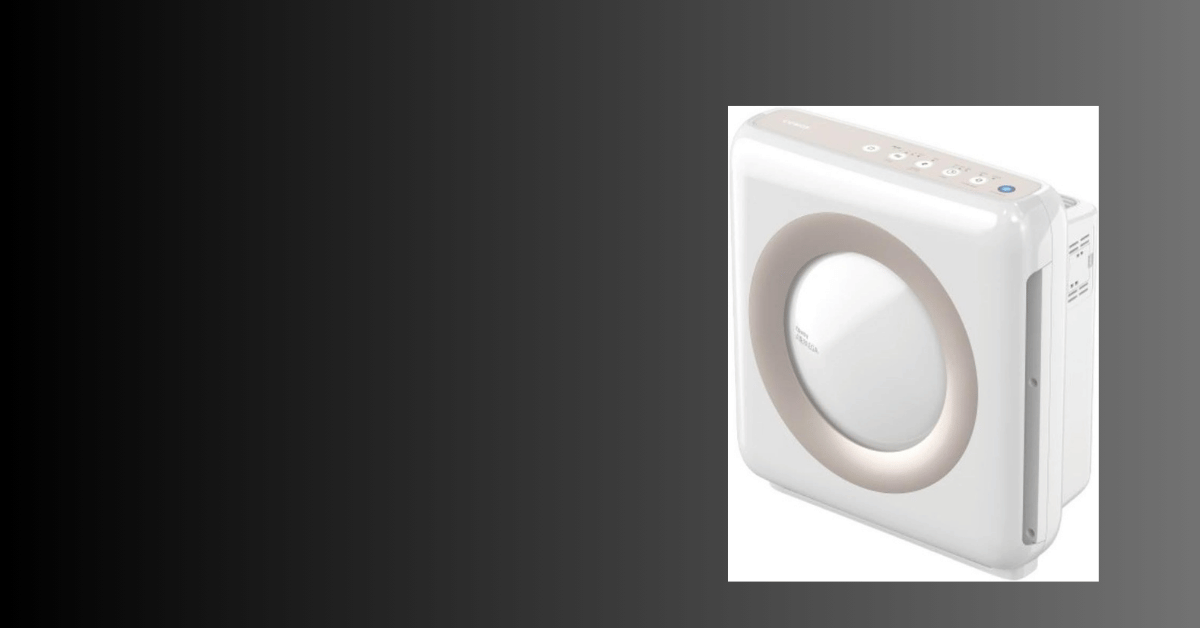
Even though HEPA filters work exceptionally well for capturing dust, pet hair, and pollen, capturing any odors is beyond their capability, besides, doing so, even with air circulation. To trap VOCs, activated carbon filters are necessary, and they work well for that. To achieve the best results in air filtration and odor elimination, the Coway Airmega 250S air purifier uses both HEPA and activated carbon filters.
Related Article: Does an Air Purifier Help with Carbon Monoxide?
How do air purifiers get rid of odors in the air?
The effectiveness of air purifiers is best realized within confined spaces, and their effectiveness is further dependent on the size of the room and the Clean Air Delivery Rate (CADR) of the purifier.
Air purifiers should be selected based on their effectiveness for a given room size, since that offers the best results. According to the EPA, HEPA filters do not work the same, and not every air purifier works on the same principles; no single HEPA filter will remove every single particle that causes unpleasant odors.
Activated Carbon Filter
Removing VOCs and odors from the air requires the use of activated carbon filters. The use of activated carbon is specifically effective because it has been treated to form a network of tiny passageways, greatly boosting the surface area to carbon volume ratio. As air moves through the carbon’s tiny passageways, harmful gases are captured. Essentially, activated carbon filters help absorb VOCs from the air. HEPA Filter
Although activated carbon filters are effective in removing VOCs from the air, they are not capable of capturing particulates the same way HEPA filters do. The Coway Airmega 100 is currently one of the best affordable air purifiers on the market, as it comes with
Pre-Filter: Pre-filters capture the contaminants first and help extend the life of other filters.
Green True HEPA™ Filter:
This filter captures 99.97%² of ultra-fine particles such as viruses, bacteria, fungi, and pollen, and has an antimicrobial treatment that promotes inactivation of the contaminants, thus preventing the spread of harmful organisms.
Deodorization Filter:
This filter captures odors from pets, food, and cigarettes.
The Coway Airmega 400 features three-stage filtration: a combined HEPA and activated carbon filter in one replaceable unit, a pre-filter for pet hair and dust.
Simplistic filter changes
Like all types of filters, activated carbon filters have their own set of pros and cons. One of the drawbacks of activated carbon filters is the need to replace them more frequently than HEPA filters. With this in mind, try to select an air purifier with a replaceable filter system, as this will save time and effort on replacement upkeep.
Related Article: Can an air purifier help with dust?
What Smells Can Air Purifiers Eliminate?
Indoor odor is often associated with neglect and can create a lasting impression even when a space is clean. Air purifiers are designed to capture and neutralize odors instead of masking them like sprays or candles. Their neutralization techniques provide a long-lasting solution while improving the quality of air. Now, let’s look at how they work on certain odors:
Air Purifiers eliminate Smoke Smell
Cigarette smoke, wildfires, or even burnt food can produce some of the harshest odors. Air purifiers with HEPA filters can capture smoke particles, while activated carbon filters can capture odor gases. This ensures that the air is not only odor-free but safe to breathe too.
Air Purifier eliminate Pet Odor
Pets release dander and fur as well as scents. While pet hair and furry allergens are handled by HEPA filters, only carbon filters can tackle the gaseous compounds that give off the pet smell. For pet owners, picking a purifier and maintaining a fresh home is only possible through the use of strong carbon purifiers with strong carbon stages and regular filter replacements.
Air Purifier eliminate Food Smells
Frying and cooking release oils, as well as smoke and sometimes spices, into the air, which can smell as well as stick to fabrics and surfaces. A purifier with activated carbon aids in capturing the odor volatile compounds like spices and oil by capturing the volatile compounds. With good ventilation and proper positioning of the purifier close to the kitchen, control over spiral odor is greatly improved.
Air Purifier eliminate Garbage Smells
Stale odor and smell tend to linger. Hauling and taking out trash, the stale odor and smell of the disintegrating waste tend to be heavy. Stale gases and air that has a carbon dioxide filter are able to remove the odor molecules that are harmful, reducing the stale and heavy smell that follows. It particularly works well on carbon filtration that is harmful.
Using an Air Purifier to Eliminate Offensive Smells from Diapers
Diapers emit certain fragrances that can easily fill an entire room. These odors can be addressed with an air purifier equipped with special filters designed for odor control. With proper maintenance, an air purifier can deal with the stubborn odors that waft into the nursery. While such devices do not replace the need for correct disposal practices, air purifiers assist in reducing the airborne compounds that make such odors linger.
Using an Air Purifier to Eliminate Mold and mildew
Mildew and mold flourish in warm, damp places such as basements, bathrooms, and laundry rooms. Beyond causing pesky odors, mold and mildew pose a multitude of health risks. If one of these is contributing to the smell in your home, it is important to remove the mildew and purchase a HEPA air purifier. Although devices such as the Coway Airmega Icon will help remove the VOCs released by mold and mildew, air purifiers cannot eliminate mold and mildew on their own.
Related Article: Can an air purifier help with mold?
Key Features When Choosing An Air Purifier To Assist With Odor Management
Look at these features carefully.
Odor Complaints Filtration System
The filter in an air purifier affects its functionality and efficiency in controlling odors. Notable filter types are:
Activated Carbon Filter:
Effectively captures and removes odor in restoration. Activated carbon is known for its ability (through adsorption) to capture smoke, pet odor, cooking odor, volatile organic chemicals (VOCs), and even other gaseous chemicals. An example of such a purifier is Bryant’s Carbon Air Purifier with UV.
HEPA Filter (High-Efficiency Particulate Air):
Though effective in reducing the concentration of airborne particles such as dust, pollen, and pet dander, odors are not well captured using HEPA filters. Nevertheless, a combination of the HEPA filter with an activated carbon filter is common in air purifiers, which serves as an effective solution for air cleaning.
Pre-Filter:
These filters capture large particles, dust, and hair. These help to improve the effectiveness of the air purifier and the life of other filters.
UV-C Light or Ionizer:
These, to some extent, are incorporated in air purifiers aimed at capturing some form of pathogens, which also contribute to the bad odors, like bacteria, viruses, or mold.
Despite their benefits, ionizers can produce ozone, which is not recommended for users with breathing difficulties. 60 Bryant Carbon Air Purifier With UV reflects advanced tech as the air purifier comes with a UV light.
Air Changes Per Hour (ACH) Rate
ACH Rate shows the number of times an air purifier can filter the air within a room during an hour. In the case of dealing with odors, a higher ACH rate is most suitable, as this will guarantee a higher number of air purifications or eliminations. ACH rate of air purifiers for odor elimination is best within the range of 4-6 times/hour. This gives maximum assurance that the air within the room is adequately purified.
Size and Coverage Area
Air Purifiers are designed to fit a room or house, and purchasing an air purifier that suits your space is crucial. The manufacturer provides an optimal square footage for effective odor removal, and it is best to eliminate smells within the space.
Bryant Carbon Air Purifier With UV For Smell
The 60 Bryant Carbon Air Purifier with UV is designed to maintain a healthier indoor atmosphere by removing undesirable smells, VOCs, and gases, assuring the air in the home is cleaner.
It aids in the prevention of microorganisms, such as mold, fungi, bacteria, and viruses, from growing on the evaporative coil and subsequently being released into the indoor recirculated air. The Carbon Air Purifier with UV provides continuous treatment while your HVAC system is running, allowing you to enjoy a healthier home.
This treatment employs dual technology with a carbon core and a UVC bulb. It mitigates VOCs/odors and provides evaporative surface coil treatment in HVAC systems with turbines operating in fan mode. It requires continual operation of your system, such as continuous fan mode.
Germicidal treatment of air and surface fungi and viruses is also provided based on the treatment’s surface mounting location. Depending on where the unit is placed, it also helps with the prevention of microorganism buildup on the indoor cooling coil.
This unit operates within the home’s ductwork to remove ozone from the recirculated air. It also aids in the reduction of common unwanted household gases within the home and odors.
Maintenance and Features
In regard to maintenance, it is low as it only requires the carbon core to be replaced yearly and the UV bulb every two years. For improved surface treatment of the cooling coil, an additional UV light may be added.
A green status light signals that your carbon air purifier is functioning correctly.
Warranty
For the original owner, the Carbon Air Purifier with UV is protected by a 10-year parts limited warranty contingent upon proper registration. If not registered within 90 days of installation, the limited warranty period is reduced to five years, except in states where registration is not a prerequisite to warranty benefits. See warranty certificate for full terms and conditions.
Related Article: Do air purifiers help with a Stuffy Nose
Tips for Maintaining Fresh Indoor Air
- Ventilation is important for an indoor air freshener. It is important to periodically open windows for air to circulate indoors. Exhaust fans work best in bathrooms for preventing bad smells from spreading throughout the house.
- There are also additional preventative methods for indoor odors to make the indoor air more comfortable, breathing-wise.
- Make sure to deeply clean and vacuum your house regularly to remove lingering bad smells.
- Always keep the garbage bin and the recycling bin tightly closed to make sure that bad smells are not released into the air.
- Make sure not to smoke indoors, as it is an instantly bad indoor odor that sticks to your indoor walls for an extended period.
- Reduce the amount of chemical cleansers and replace them with natural cleansing options, which will make the indoors fresher.
- Air filters should also be replaced regularly to make sure that odor and bad air particles are removed.
Related Article: Do air purifiers help with asthma?
Which Is The Best Air Purifier For Odor?
As with separation processes, solid filters are useful for capturing solid particulates such as pollen, dust, and spores, also known as bacteria HEPA filters, whilst doing nothing for ballerina dances, VOCs, and odors HEPA filters.
On the other hand, activated carbon does the opposite perfectly. It has a porous structure that binds with VOCs and odor molecules. It is also the best option for smell removal; therefore, filters containing activated carbon are the best to use. The use of combination filters, activated carbon, and HEPA is the best to use to circulate the air in the entire room.
Can an Air Purifier Remove Odors -FAQS
How Long Does It Take an Air Purifier to Remove Odors?
An air purifier can start reducing odors in 30 to 60 minutes, but complete odor removal often takes longer. For mild smells, you may notice fresh air within a few hours. Strong odors like cigarette smoke, VOCs, or deeply embedded cooking smells can take several hours or even up to 24 hours of continuous operation.
What affects the time?
- Room size: Smaller rooms clear faster than large spaces.
- Odor strength: Strong smells linger longer.
- Purifier type: Units with activated carbon filters work best for odors.
- Airflow rate: High CADR and multiple filters (HEPA + carbon) speed things up.
- Air changes per hour (ACH): A rate of 4–6 per hour ensures constant cleaning.
Tip: For stubborn odors, run your purifier continuously and combine it with good ventilation and regular cleaning.
Related Article:Can air purifiers make you sick? Causes, Risks & Prevention Tips
Can I Leave My Air Purifier on 24/7?
Yes—you can safely keep most modern air purifiers running all day. In fact, continuous operation is recommended if you want consistent air quality.
Benefits of 24/7 use:
- Keeps allergens and pollutants under control.
- Helps people with asthma or allergies breathe easier.
- Prevents odors from building up again.
Considerations:
- Energy use: Running nonstop may raise your electricity bill slightly.
- Filter life: Filters will need replacement more often.
- Noise: If it’s too loud at night, use a lower setting or “sleep mode.”
Running your purifier all the time is safe and beneficial—just follow the manufacturer’s filter replacement schedule.
Related Article:Can an Air Purifier Remove Odors ?
Do Air Purifiers Use a Lot of Electricity?
No, air purifiers generally use about the same power as a light bulb or laptop. Most models consume 30–100 watts per hour.
- A 50-watt purifier running 24/7 costs only $3–$4 per month on average.
- Energy Star-certified models are even more efficient.
- Features like auto mode adjust fan speed to save energy.
Tips to save energy:
- Match purifier size to your room (don’t buy oversized).
- Use auto or eco modes if available.
- Keep filters clean to maintain efficiency.
When Should I Turn My Air Purifier Off?
In most cases, you don’t need to turn it off. But here are situations when you might:
- When you’re away for long hours, → Turn it off to save energy.
- When windows are open → Fresh air can circulate naturally.
- If noise is disturbing your sleep, → Switch to a lower fan speed instead of off.
- During specific tasks → For example, turn it on high while cooking or cleaning to catch new pollutants.
When to keep it on:
- While you’re at home (especially if you have allergies).
- At night, if noise isn’t an issue.
- After cooking, smoking, or using strong-smelling cleaners.
- In odor-prone rooms (nurseries, kitchens, or pet areas).
If needed, HEPA + carbon systems will suffice. For particle filtration
Related Article: Can You Clean Air Purifier Filters?
Read More On Air Purifiers
References
- https://www.epa.gov/indoor-air-quality-iaq/guide-air-cleaners-home
- https://www.reddit.com/r/AirPurifiers/comments/ui4c6e/is_there_really_an_air_purifier_that_can_kill/
- https://www.consumerreports.org/appliances/air-purifiers/buying-guide/
- https://www.quora.com/Do-air-purifiers-really-get-rid-of-most-odors-And-how-do-they-compare-to-air-fresheners-and-other-methods
- https://www.livescience.com/do-air-purifiers-help-with-bad-smells
- https://www.epa.gov/sites/default/files/2014-07/documents/aircleaners.pdf
- Sources:
- NCB News – Ooooh, that smell! Odors rise with the temperature
- Minnesota Pollution Control Agency – Volatile organic compounds (VOCs)
- – What are environmental odors: frequently asked question
- https://www.cpsc.gov
- https://www.cdc.gov
- https://pmc.ncbi.nlm.nih.gov
- https://19january2017snapshot.epa.gov
- https://www.osha.gov/indoor-air-quality
- https://www.gsa.gov