If you are an asthma patient, you feel difficulty in breathing because your airways in the lungs swell and narrow. A quick reaction to a trigger can cause the muscles around those tubes to tighten. Then a person can feel like they can’t get enough air. You feel a heavy chest , cough, and a whistling noise when breathing.
There is no complete cure for asthma, but managing it can make life easy. Allergens and irritants can be a cause of asthma. Reducing these particles results in clean air, which helps in reducing asthma.
One easy solution for clean air is to use an air purifier. They are not the complete solution, but yes, they can help in managing the asthma problem.
Lets find with us do air purifiers help with asthma?
What is meant by an air purifier?
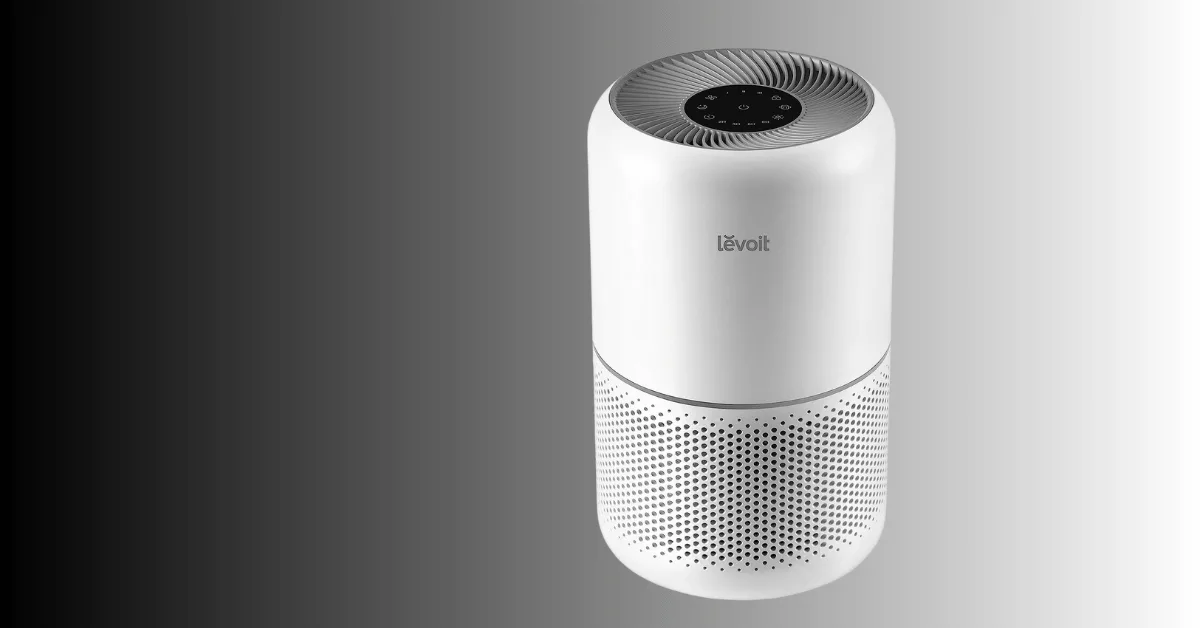
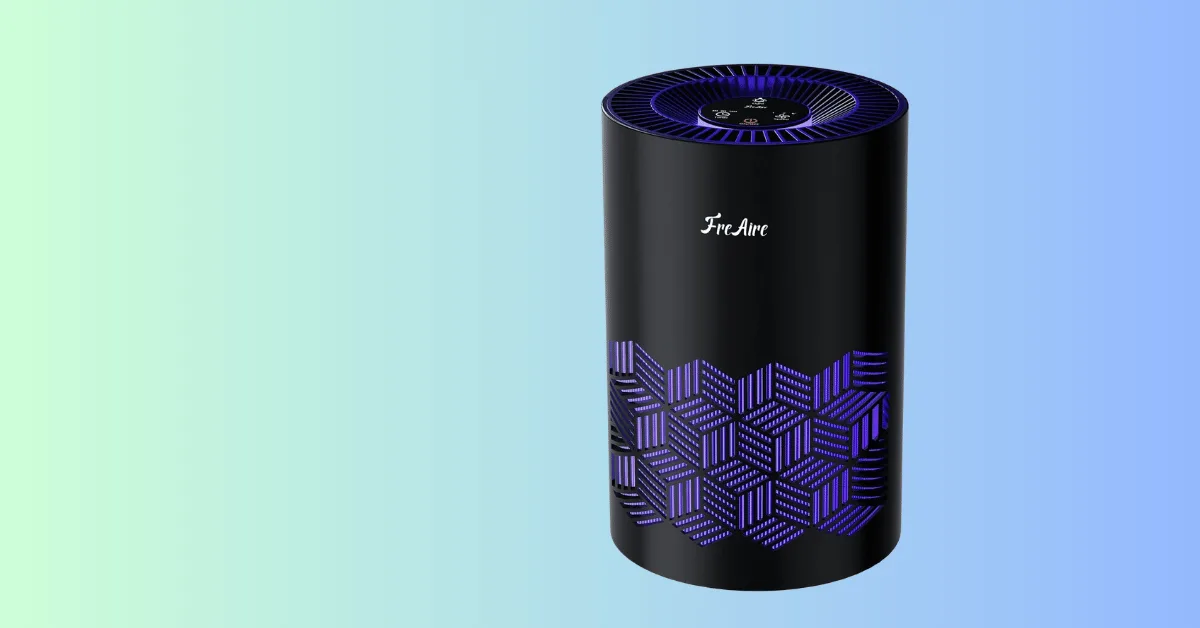
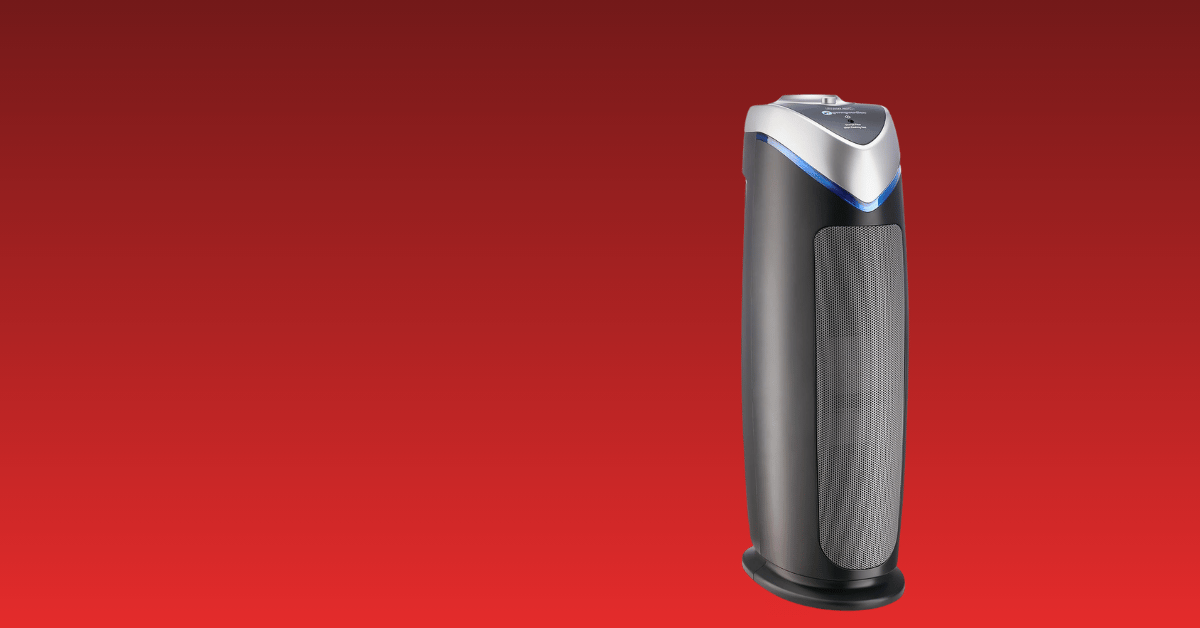
An air purifier is a machine that cleans the irritants inside the room. It takes dirty air in, then passes through one or more filters, and then pulls out fresh purified air back
Will an air purifier actually ease asthma symptoms?
Inside many homes, these asthma triggers float in the air:
dust mites
pet fur or dander
mold papers floating
smoke from candles or cooking
pollen from doors and windows
An air purifier can grab many of these particles before they can settle in your lungs and cause trouble. Scientists, though, still have mixed results on how much relief they actually provide to asthma symptoms. Some studies show a little improvement, but other studies show little to no difference.
Remember that an air purifier isn’t a stand-alone treatment. It’s one tool on the list. meds, regular cleaning, and using the controller remedy still harbor a key role in air functionality.
In a research carried out on 50 people in 2018 , results show that running a good air purifier clears the air and reduces the asthma symptoms. People with dust mite allergies benefited from it.
A follow-up review from 2018 noted that air purifiers seem to do the best job when you also use HEPA vacuums, manage pests, and clean your home regularly
The U.S. Environmental Protection Agency advises checking the Clean Air Delivery Rate (CADR). Choose a model that has a CADR of at least 2/3 the area of your room for the most impact.
The air purifier’s overall performance also relies on air flow, the design of the filter, the size of the particles, and where you place the unit.
The overall performance of the air purifier depends on the airflow, filter design, size of particles, and the place of the purifier.
Related Article: Does an Air Purifier Help with Carbon Monoxide?
How to pick the best air purifier for asthma
A purifier that may ease asthma contains these features: A HEPA filter that captures 99.97% of particles.
The right size for your room. Larger spaces may need two or more purifiers.
No ozone. Skip ionizing models that generate ozone, as that can worsen lung irritation.
Care for the filter. Change the filter as per the recommendation of the company. Keep your filter dust-free.
Some air purifiers come with both HEPA filters and special charcoal filters that remove odors and gases, too. That combination can freshen the air.
An air purifier reduces the effect of mold particles, but it cannot eliminate the mold. For better results, clean the mold as soon it grows under floors or behind walls
What a HEPA Filter Can Do
HEPA stands for High Efficiency Particulate Air. it can filter 99.7% of the sneaky 0.3 micron particles that can hug the inside of your lungs. That means you get rid of:
* dust mites
* mold spores
* pollen
* pet dander
* tiny smoke and air pollution bits
People with allergies or asthma usually feel a lot better with a working HEPA filter.
Just watch out for the words “HEPA-like” or “almost HEPA.” Those aren’t the same deal. Go for the air cleaner that clearly says “true HEPA” if you want the grade of clean air you think you’re buying!
Related Article: Can an air purifier help with dust?
Before You Buy: Fix What You Can First
An air purifier on its own isn’t a magic fix. Start by removing the things that are making your air dirtier to begin with:
Seal drafty spots. Go through the house to replace broken window seals, apply caulk to tiny cracks, and block mold, pollen, and pests from coming inside.
Swap to hard floors. Carpets absorb pollen, dust, and dog danger; when you walk on them, particles fly back on you. It results in trigger asthma.
Use a vacuum with HEPA. When you do vacuum, some particles still let go, even if you use the best vaccum
You don’t need to buy new devices right away. Address the biggest sources of dirt first, then let your air purifier handle what’s left.
Whole-House Filters
If you use central heat and air, a whole-house filter could be the most sensible upgrade. Ask a reliable HVAC pro about an MERV 11 or 12 filter. This filter catches a lot of dust and pollen down to about 2 microns.
To keep the system running well:
* Set the system to run the fan non-stop. That way, air keeps circulating and moving through the filter.
* Swap out the filter every 90 days to keep airflow strong and your air clean.
* When you put a whole-house HEPA filter into your HVAC, hire a pro to do the job. A filter that’s too big or too small can choke your system and lead to costly repairs.
Some HVAC systems draw in fresh outdoor air, filter it, and send it around your home. This extra step can really boost the air quality in your whole house.
Room Air Cleaners
If your home doesn’t have central air, a HEPA room purifier is still a smart choice, especially if you have furry friends or live in a dusty area. Here’s what to know:
Air purifiers clean only the room they’re in, not the whole house.
Pick a model with a Clean Air Delivery Rate (CADR) that fits your room size.
Keep pets out of the bedroom and swap out heavy carpets to cut dusty places.
Some new laminar flow HEPA purifiers create a gentle air curtain around your pillow, helping allergy sufferers sleep better.
Stay away from ozone generators. Both the EPA and many doctors warn that ozone can irritate your lungs and worsen asthma or allergies.
Filters That Don’t Belong in Your Home
ULPA filters (ultra-low penetration air filters) work well in labs or clean rooms. But for everyday homes—with pets, kids, or kitchen smells—they just aren’t practical.
There’s solid proof that HEPA-style air purifiers cut down dust-mite allergens and tiny particles (that’s PM, or particulate matter) for anyone with allergic asthma, helping keep indoor air fresh.
Related Article: Can an air purifier help with mold?
Air purifier vs. air filter
| Device | What It Does | Where You’ll Find It | Extra Features |
| Air Filter | Traps dust, germs, pollen, and other particles as air flows through | Built into HVAC systems or stand-alone tabletop units | Mainly filtering only |
| Air Purifier | Filters particles and may sanitize the air | Portable units for single rooms or whole-home systems | May use UV light or special coatings for added germ-killing |
Filter types can range from washable mesh to disposable models, to ones packed with activated carbon, and finally to HEPA filters, which are best at capturing the smallest particles.
Air purifier vs. humidifier
| Feature | Air Purifier | Humidifier |
| Main Function | Removes particles and pollutants from the air | Adds moisture to the air |
| What It Removes/Reduces | Dust, pollen, pet dander, smoke, odors, some bacteria/viruses (depending on filter type) | Nothing — it does not remove allergens or pollutants |
| What It Adds | Clean, filtered air | Water vapor (moisture) |
| Best For | Allergies, asthma, respiratory issues caused by airborne irritants | Dry air, dry skin, nosebleeds, sore throats, winter dryness |
| Possible Risks | Limited against gases/chemicals unless it has activated carbon filter | Too much humidity can cause mold and dust mites |
| Ideal Indoor Levels | N/A (focus on filter quality and room size) | Keep humidity between 30–50% for safety |
Other ways to reduce allergens at home
Air purifiers help a lot, but you’ll get even better results if you add these easy steps to lower asthma triggers:
Use a window air conditioner in summer; the filter cuts outdoor pollen and dust.
Seal cracks around windows and doors to keep outdoor allergens out.
Clear and wipe down the shower, tub, and sink to keep mold from growing in humid areas.
Use a dehumidifier in the basement or laundry room.
Wash sheets, pillowcases, and blankets in water that is at least 130°F.
Put dust-proof, zippered covers on pillows and mattresses.
Vacuum carpets, rugs, and upholstery with a HEPA filter vacuum at least once a week.
If you can, toss out clutter and lay down wood or tile floors instead of carpet.
Close the windows when pollen counts climb; use the weather app to track it.
Bathe and brush your dog and cat weekly to keep their flaky skin out of the air.
Self-Care Tips for Asthma
Cutting allergens is only half the work; self-care keeps your airways open and healthy:
Take your asthma controller and rescue meds exactly as your doctor advises.
Check your weight; extra pounds can make the lungs work harder.
Use breathing techniques, like pursed-lip or diaphragmatic breathing, to ease wheezing.
Move your body regularly, but consult your doctor if it causes coughing.
On cold or windy days, wear a scarf or mask over your mouth to warm and humidify the air you breathe in.
Practice stress-relief techniques like deep breathing, yoga, or meditation—stress can set off asthma attacks.
Skip foods or activities that give you heartburn, since that can tighten your airways.
Seek medical care right away if breathing becomes hard or your rescue inhaler doesn’t help.
Related Article: Can an Air Purifier Get Rid of Cigarette Smoke?
Do air purifiers help with asthma?- Takeaway
With the use of genuine HEPA filters, you can ease your asthma symptoms. Pick one that fits your room size. It will work well when you keep your place clean and control humidity.
For the best results, follow these routines: give the room a good scrub, stick to your doctor’s treatment plan, and steer clear of known triggers. Doing all these things makes it easier to breathe more easily and reduce asthma.
Related Article: Do air purifiers help with a Stuffy Nose
Read More On Air Purifiers
RESOURCES:
- https://www.medicalnewstoday.com/articles/air-purifier-for-asthma#summary
- https://allergyasthmanetwork.org/news/hepa-help-hype/#:~:text=Normal%20family%20life%20with%20cooking,adults%20with%20allergies%20and%20asthma.
- https://pmc.ncbi.nlm.nih.gov/articles/PMC7105409/
- https://pmc.ncbi.nlm.nih.gov/articles/PMC3165134/
- https://www.webmd.com/asthma/do-you-need-an-air-filter
- https://www.healthline.com/health/air-purifier-for-asthma#bottom-line
- ttps://www.consumerreports.org
- https://www.cpsc.gov
- https://www.cdc.gov
- https://pmc.ncbi.nlm.nih.gov
- https://19january2017snapshot.epa.gov
- https://www.osha.gov/indoor-air-quality
- https://www.gsa.gov