Maximize Comfort: Should You Use a Dehumidifier in the Winter Months?
Yes, sometimes you should use a dehumidifier in the winter. It depends on your house and your humidity level.
A lot of people think winter air is always dry. Outside air often is dry. But inside, your home can still get damp. Showers, cooking, drying clothes, and even breathing add moisture.
If that moisture gets trapped, you can end up with foggy windows, musty smells, and even mold.
So the real answer is simple. Check your humidity. If it is high, a dehumidifier can help with humidity and comfort. If it is low, you might need a humidifier instead. This is where dehumidifiers vs. humidifiers really matter.
Understanding Dehumidifiers
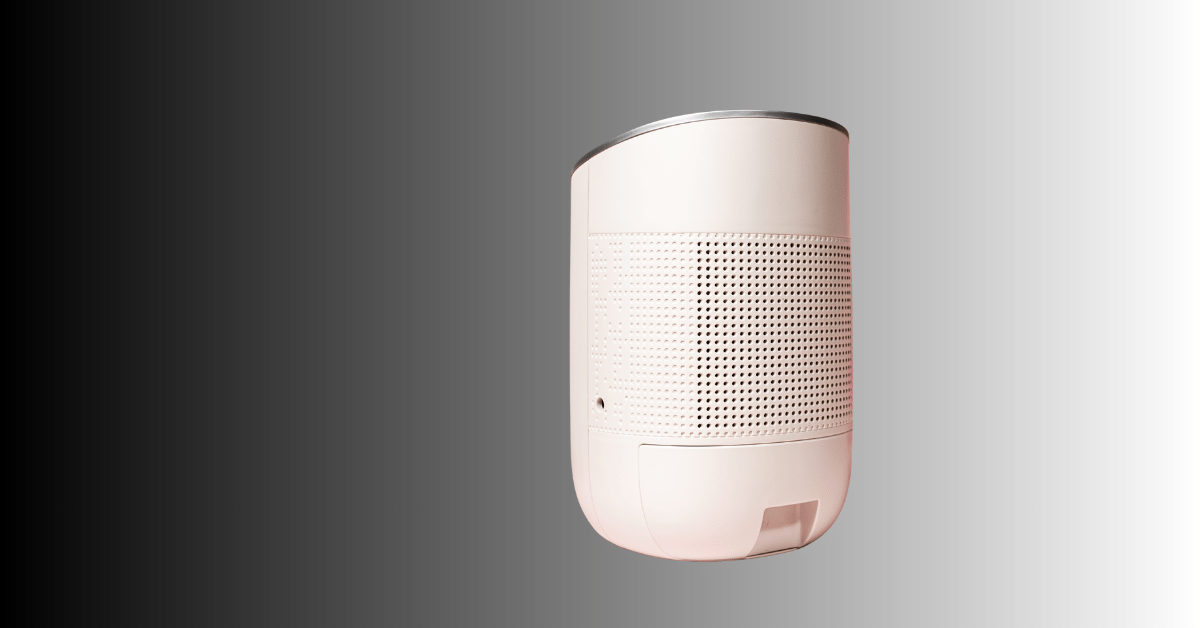
A dehumidifier is a machine that pulls extra water from the air. That is it. It does not clean the air like a purifier, but it can improve indoor air quality in winter by lowering dampness.
When your home is too humid, the air can feel heavy. Rooms can smell stale. Mold can grow faster. A dehumidifier helps by keeping moisture under control.
Dehumidifier benefits can include:
- Less window condensation
- Less musty odor
- Better comfort, especially in basements
- Help with winter mold prevention.
- Fewer dust mites, since they like humid air
But you do not want to dry the air too much. Very dry air can feel rough on your skin and nose. Balance is the goal.
How Dehumidifiers Work
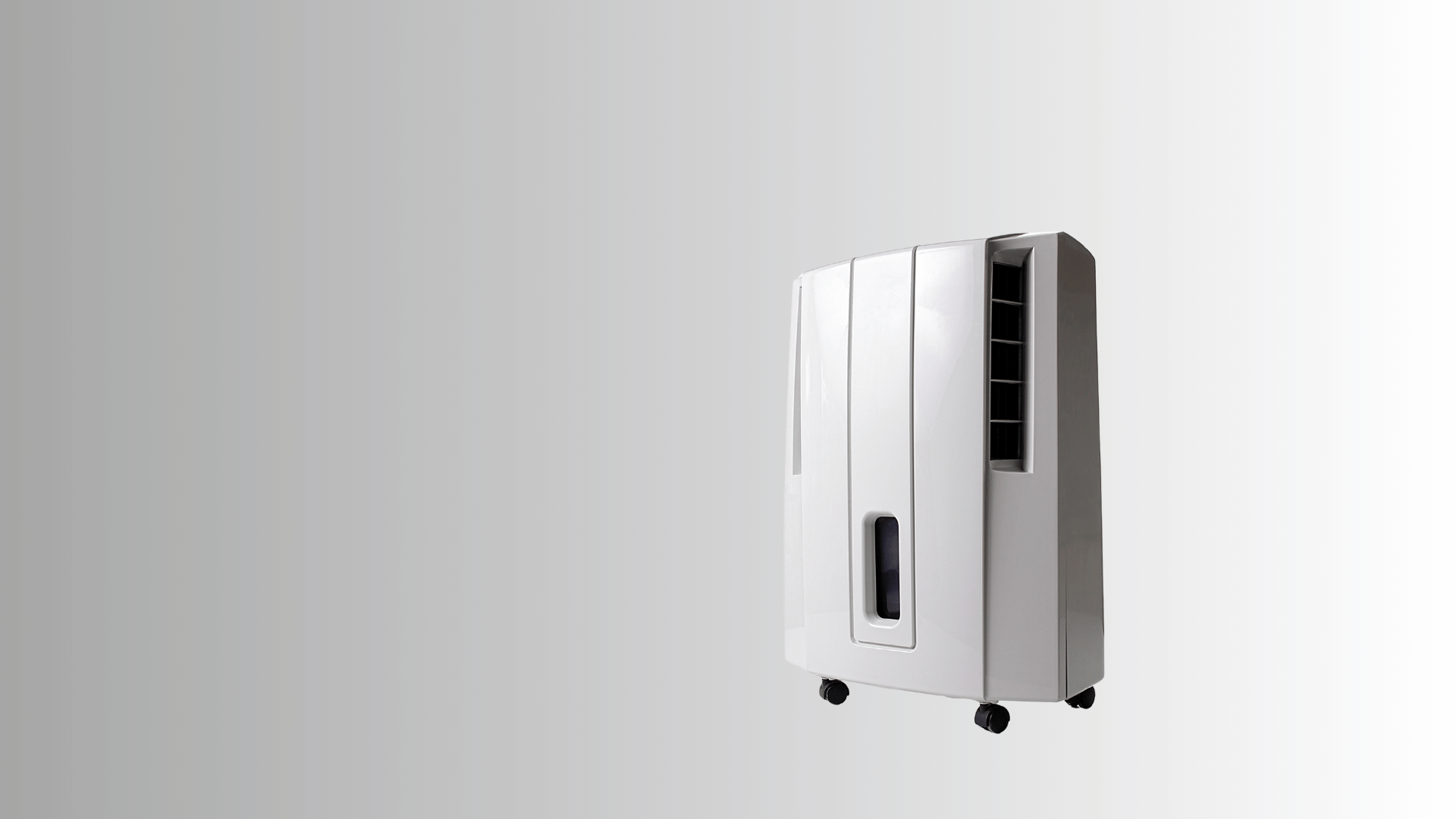
Many dehumidifiers work like a small fridge. A fan pulls humid air in. The machine cools that air on cold coils. Water drops form, like sweat on a cold glass. Then that water drips into a tank or a drain hose. After that, the machine blows the air back out, a bit warmer and drier.
This is the basic answer to how dehumidifiers work.
One winter note: in very cold rooms, some dehumidifiers can struggle. The coils can get too cold and frost up. If your basement is chilly, look for a model made for low temperatures, or a desiccant dehumidifier. Desiccant types use a drying material instead of cold coils. They often work better in cold spaces.
Related Article: What Does A Dehumidifier Do And How Does A Dehumidifier Work?
Dehumidifier Benefits
Dehumidifier benefits are not just about comfort. They can protect your home too.
Here is what people notice most:
- Less damp feeling. Damp air can make a room feel colder than it really is.
- Less mold risk. Mold loves moisture. Lower humidity makes it harder for mold to grow.
- Less damage. Too much moisture can mess with paint, wood, and even drywall.
- Better sleep for some people. A musty room can feel stuffy. Drier air can feel fresher.
- Better indoor air quality in winter. Less moisture can mean less mildew smell and fewer allergens.
If you are dealing with wet windows, a musty basement, or mildew in corners, a dehumidifier can be a big help.
Related Article: Benefits of dehumidifier in bedroom
Humidity and Comfort in Winter
Humidity and comfort go together more than people think. In winter, the heat is on, and windows stay closed. That changes everything.
If indoor humidity is too high, you may feel:
- Clammy or sticky even when it is cold
- A chill that does not go away
- A heavy, stale smell in the room
If indoor humidity is too low, you may feel:
- Dry skin and cracked lips
- Scratchy throat
- Static shocks
- Dry eyes
This is why should you use a dehumidifier in the winter is not a yes for everyone. Some homes need it. Some homes need the opposite.
What is the ideal indoor humidity level in winter?
Most homes feel best when indoor humidity is around 30% to 50%.
In winter, many people aim for 30% to 40%. That lower range helps reduce condensation on windows. It also supports winter mold prevention.
A simple tip: buy a small humidity meter (a hygrometer). They are cheap and easy to use. Put it in the room you worry about most, like the basement or bedroom.
If you keep seeing humidity above 50% in winter, that is when a dehumidifier starts to make sense.
How Humidity Affects Indoor Air Quality
Indoor air quality in winter can get weird because the house is closed up. Moisture builds up. Air gets stale. Then you get problems like mold smell, mildew spots, and dust mite growth.
High humidity can lead to:
- Mold on walls, ceilings, and behind furniture
- Mildew in bathrooms and closets
- Dust mites, which can trigger allergies
- Peeling paint and damp patches
Low humidity can lead to:
- Dry nose and throat
- More static and irritated skin
- Cracks in wood floors or furniture
So humidity control is not just about feeling comfy. It is also about keeping the air in your home healthier.
Signs You Need a Dehumidifier in Winter
This is the part people search for most: the signs you need a dehumidifier.
You may need one if your humidity stays high and you notice moisture problems. Winter can hide moisture issues because you are not opening windows much.
If you are asking, “Should you use a dehumidifier in the winter?” check these signs first. They tell you what is really going on.
Common Indicators of Excess Moisture
Here are common signs you need a dehumidifier in winter:
- Water droplets on windows, especially in the morning
- Foggy windows that take a long time to clear
- Musty smell in a room, closet, or basement
- Mold spots on corners, ceilings, or around windows
- Damp feeling in carpets or rugs
- Bathroom walls that stay wet for hours after a shower
- Peeling paint or bubbling wallpaper
- Clothes in the closets are smelling damp.
- You see white chalky marks on the basement walls (sometimes from moisture)
If several of these are happening, the air is likely too humid. That is when the dehumidifier benefits show up fast.
Related Article: Whole house dehumidifiers -installation guide-2026
Seasonal Challenges and Solutions
| Winter moisture problem (challenge) | What you may notice | Why it happens in winter | Best solution (what to do) | Extra quick tip |
|---|---|---|---|---|
| Closed windows and trapped moisture | Rooms feel stuffy, musty smell, damp closets | Less fresh air comes in, moisture stays inside | Focus on air circulation in winter. Run exhaust fans. Use a dehumidifier in problem rooms | Crack a window for 5 to 10 minutes when cooking or showering (if outdoor air is clean) |
| Condensation on cold surfaces | Water drops on windows, foggy glass, wet sills | Warm indoor air hits cold glass and turns into water | Keep humidity lower, aim 30% to 40%. Keep warm air moving across windows | Open curtains a bit so warm air can reach the glass |
| Cold basement | Damp smell, basement feels wet, dehumidifier feels weak | Cold air can reduce how well some units pull moisture | Pick a dehumidifier that works in low temps, or use a desiccant model. Seal obvious air leaks | Add a small fan to keep air moving near corners |
| Drying clothes indoors | More condensation, damp smell, humidity jumps fast | Wet clothes release lots of moisture into the air | Dry in a room with a fan, vent, or dehumidifier | Keep the door closed and run the fan until clothes are fully dry |
| Too much drying from heating | Dry skin, static shocks, sore throat | Heating can drop indoor humidity too low | If humidity drops below 30%, pause the dehumidifier. You may need a humidifier | Use a hygrometer so you are not guessing |
Dehumidifiers vs. Humidifiers
Dehumidifiers vs. humidifiers can confuse people. They sound like opposite tools, and they are.
- A dehumidifier removes moisture.
- A humidifier adds moisture.
In winter, many homes get dry because of the heating. That is why lots of people use humidifiers in winter. But some homes still get damp in certain areas, like basements, laundry rooms, and bathrooms. In those spots, a dehumidifier may still be the right choice.
The key is to measure humidity first. Guessing can backfire.
When to Choose One Over the Other
Choose a dehumidifier if:
- Humidity is over 50% often.
- You get window condensation.
- You smell musty odors.
- You see mold or mildew.
- You want strong winter mold prevention in a damp area.
Choose a humidifier if:
- Humidity is under 30%
- You have dry skin, static shocks, and nose bleeds.
- Wood furniture and floors are cracking.
- The air feels harsh and dry.
Some homes use both, just in different rooms or at different times. For example, a humidifier in a bedroom and a dehumidifier in a basement.
Related Article: How to Choose the Right Dehumidifier for Basement
Impact on Home Environment
Moisture changes how your home feels and how it holds up over time.
Too much moisture can:
- Damage wood and drywall
- Cause paint to peel
- Create a mold behind furniture.
- Make the house smell old or damp.
Too little moisture can:
- Dry out wood floors and trim
- Make doors stick or crack.
- Increase static electricity
A balanced humidity level supports humidity and comfort, and it supports the home, too. It is part of smart winter home maintenance, even if it sounds small.
Winter Mold Prevention and Home Maintenance
Winter mold prevention is easier when you stop moisture before it sits. Mold needs moisture and time. If you keep humidity down and fix damp spots, mold has a harder time starting.
Good winter home maintenance steps include:
- Use bathroom exhaust fans during showers, and keep them on for 15 to 20 minutes after
- Use a kitchen vent when cooking.
- Fix small leaks right away, even tiny pipe drips
- Keep furniture a few inches away from cold outside walls.
- Do not block vents and heaters.
- Check basements for damp corners and wet smells.
If your home has a known damp area, a dehumidifier is often the easiest tool to add.
Related Article: Why is my dehumidifier blowing hot air?
Maintaining Air Circulation Is Must
Air circulation in winter is a big deal. When air sits still, moisture hangs around longer. That leads to damp corners and condensation.
Simple ways to boost air flow:
- Run ceiling fans on low.
- Use a small fan to move air in a basement or laundry room.
- Open interior doors to let air move
- Make sure vents are not blocked by furniture or curtains.
- Use exhaust fans in bathrooms and kitchens.
Better air movement supports indoor air quality in winter. It also helps keep moisture from building up on cold surfaces.
Related Article: Does running a dehumidifier help the air conditioner
Tips for Preventing Mold Growth
Here are practical tips for preventing mold growth in winter:
- Keep indoor humidity around 30% to 40% if you get condensation.
- Wipe the window moisture in the morning so it does not sit all day.
- Use a dehumidifier in damp rooms, like basements and laundry areas.
- Clean and dry bathroom surfaces often, especially grout and corners
- Do not store damp clothes or towels in baskets for long.
- Let shoes and coats dry; do not pile wet stuff in a closed closet.
- Check behind furniture on outside walls for dampness.
- Empty and clean the dehumidifier tank often, or use a drain hose
- Clean the filter so airflow stays strong.
If you follow these and your humidity stays in a good range, you will usually notice fewer smells, less condensation, and better comfort.
If you want, tell me what room you are thinking about (bedroom, basement, whole house). I can suggest the best humidity target and when to run it so the air does not get too dry.
Should you use a dehumidifier in the winter? yes you can
Yes, if your indoor humidity stays high. Winter can trap moisture inside because windows stay closed. If your humidity is over about 50% often, a dehumidifier can help with comfort and winter mold prevention.
FAQ-Should you use a dehumidifier in the winter?
2) What humidity level is best for comfort in winter?
Most homes feel best around 30% to 50% humidity. That range helps humidity and comfort, and it also helps reduce mold risk.
3) Is 60% humidity too high in winter?
It can be. The U.S. Environmental Protection Agency says keep indoor humidity below 60%, and ideally 30% to 50% if possible.
4) What are the signs you need a dehumidifier in winter?
Common signs you need a dehumidifier are foggy windows, water droplets on glass, musty smells, damp closets, and small mold spots in corners. If these keep coming back, you likely have extra moisture.
5) Do dehumidifiers help with mold?
They help prevent mold by making the air less damp. But they do not “erase” mold that already grown. Clean the mold and fix the moisture source, too.
6) How do dehumidifiers work?
Most pull humid air in, cool it, and the water drops collect in a tank or drain. Then the unit blows drier air back out. That is the basic idea of how dehumidifiers work.
7) Can a dehumidifier improve indoor air quality in winter?
It can, because high humidity makes it easier for mold and musty smells to build up. Keeping humidity in the safe range supports indoor air quality in winter.
8) Dehumidifiers vs. humidifiers: which one do I need in winter?
A dehumidifier removes moisture. A humidifier adds moisture. If your home is under 30% humidity, you may need a humidifier. If your home is over 50% often, you may need a dehumidifier.
9) Where should I put a dehumidifier in winter?
Put it near the moisture problem area, like near laundry drying, outside the bathroom door after showers, or near rooms with window condensation. Also, keep space around it so air can move.
10) How long should I run a dehumidifier each day in winter?
Run it until you hit your target humidity, like 40% to 50%. Many units have a humidistat. If you do not have one, use a small hygrometer and adjust based on readings.
11) Is it expensive to run a dehumidifier in winter?
It depends on your unit and the electricity rate. Some recent consumer guides break down cost by wattage and usage time, plus tips to cut costs like cleaning filters and placing it right.
12) What simple winter home maintenance reduces humidity fast?
Use kitchen and bathroom exhaust fans, vent the dryer outside, fix leaks, and improve air circulation in winter with fans and open interior doors. The Centers for Disease Control and Prevention also highlights keeping humidity no higher than 50% and letting air flow freely.
13) Should I open windows in winter for air circulation?
Short bursts can help reduce stale air and moisture if the outdoor air quality is safe. Some places call this “airing out” the home. It can help with humidity and comfort, and reduce musty smell.
14) What if my basement is cold and the dehumidifier seems weak?
Cold rooms can make some units struggle. In colder, unheated spaces, desiccant models are often suggested more than compressor models.
Resources:
- (US EPA)
- (US EPA)
- (CDC)
- (World Health Organization)
- (Canada)
- (ASHRAE)
- (CCOHS)
- (PMC)
- (CDC Stacks)
- (ENERGY STAR)
- TIME
- Ideal Home
- Ideal Home
- Tom’s Guide
- Woman & Home