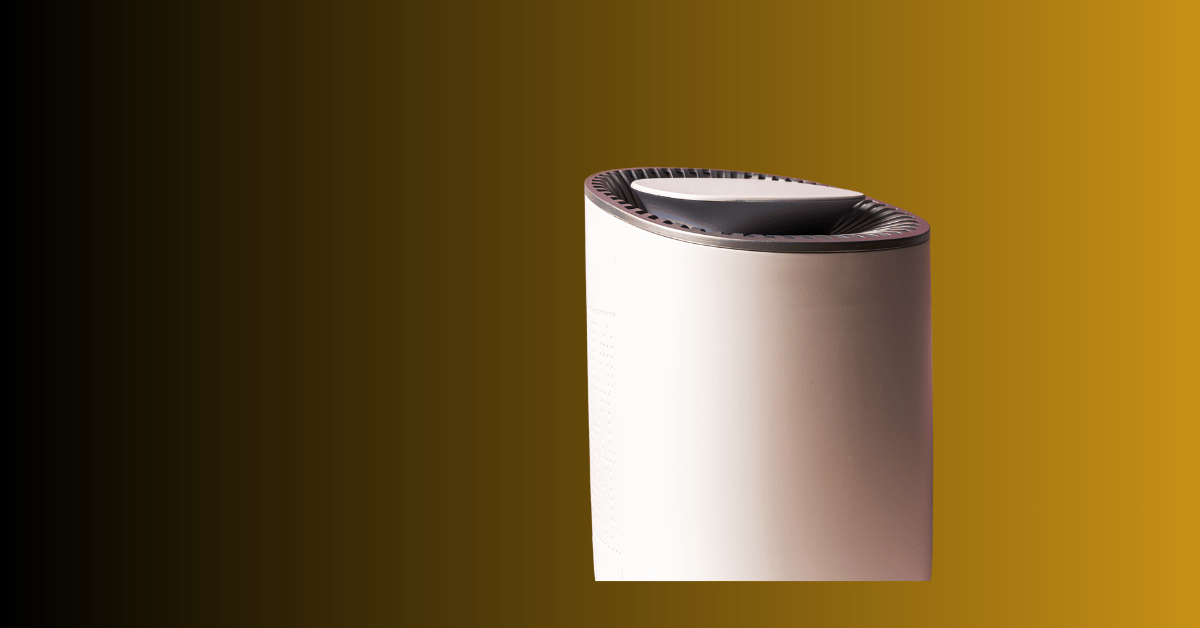
Exploring the Synergy of Air Conditioning and Dehumidification: What You Should Know
When it comes to keeping your home cool and comfortable, air conditioning and dehumidification work together. Understanding how these two systems interact can help you make the best decisions for your indoor comfort and air quality. In this article, we’ll explore how air conditioning and dehumidification complement each other, and how you can maximize their benefits.
The Relationship Between Air Conditioning and Dehumidification
Air conditioning and dehumidification are closely related, but they do slightly different things. Air conditioners are designed to cool the air in your home, while dehumidifiers focus on removing moisture from the air. However, air conditioners can also dehumidify the air to a certain extent as they cool it. This synergy is particularly useful during hot, humid weather when both cooling and moisture control are needed.
Related Article: Why is my dehumidifier blowing hot air?
Understanding Humidity Control
Humidity control is important for comfort and health. High humidity can make the air feel warmer and stickier, leading to discomfort. It can also promote mold and mildew growth, which can be harmful to your health. A dehumidifier works to remove excess moisture from the air, while an air conditioner cools the space. Together, they create a more comfortable and healthier living environment by controlling both temperature and humidity levels.
Related Article: Does running a dehumidifier help the air conditioner
How Air Conditioning Units Dehumidify
Most air conditioners naturally dehumidify as part of the cooling process. When warm air passes over the cold coils inside the unit, moisture in the air condenses and collects in the drainage pan. However, air conditioners only dehumidify to a certain extent. If the humidity is very high, an air conditioner might not be enough to remove all the excess moisture in the air. This is where a dedicated dehumidifier can help.
Related Article: Is a Humidifier or Dehumidifier for Asthma the Best Choice for You?
The Role of a Dehumidifier in Air Conditioning Systems
Some air conditioning systems have a built-in dehumidifier to help control moisture levels more effectively. For example, some ductless air conditioning systems come with a dehumidifier feature. These systems are designed to work together, allowing for both cooling and dehumidification in one unit. For homes with central air conditioning, you can add a whole-home dehumidifier to the system to improve moisture removal and indoor air quality.
What is a Dehumidifier in an air conditioner?
A dehumidifier in an air conditioner refers to a component or additional feature that helps to remove moisture from the air. While an air conditioner does some dehumidification on its own, adding a dehumidifier increases its ability to maintain low humidity levels. The dehumidifier helps to ensure that your home stays dry, even on particularly humid days.
Benefits of Using a Dehumidifier with AC
Using a dehumidifier with an air conditioner offers several benefits:
- Improved Comfort: Removing excess moisture makes the air feel cooler and more comfortable.
- Enhanced Air Quality: Dehumidifiers help to prevent mold and mildew growth, which can improve the overall air quality.
- Energy Efficiency: By reducing the moisture in the air, your air conditioner can cool your home more effectively, potentially lowering energy usage.
- Health Benefits: Maintaining the right humidity levels can help prevent respiratory issues and allergies triggered by mold, dust mites, and other allergens.
Related Article: Whole house dehumidifiers -installation guide-2026
Does Using a Dehumidifier Help the Air Conditioner?
Yes, using a dehumidifier can help your air conditioner perform better. A dehumidifier reduces the humidity in the air, which means the air conditioner doesn’t have to work as hard to cool the air. When humidity is lower, your air conditioner can cool the space more efficiently and maintain a comfortable temperature without excessive moisture.
Comparing Dehumidifier vs. Air Conditioner
Differences in Functionality
A dehumidifier’s primary function is to remove moisture from the air, while an air conditioner’s main job is to cool the air. Air conditioners also dehumidify to some extent, but not as much as a dedicated dehumidifier.
- Dehumidifiers remove moisture and help maintain a healthy indoor environment.
- Air conditioners cool the air and can help reduce humidity, but may not be as effective in very humid conditions.
When to Use Each
- Use a dehumidifier when humidity is high, but temperatures are not as warm, or if you want to improve indoor air quality and prevent mold growth.
- Use an air conditioner when cooling is the priority, and dehumidification is just a secondary concern.
| Feature / Aspect | Dehumidifier | Air Conditioner |
|---|---|---|
| Main Purpose | Remove moisture from the air and lower humidity levels. | Cool the air and lower the room temperature. |
| Primary Function | Dehumidification only. | Air conditioning (cooling), with some dehumidification. |
| Does AC Dehumidify? | N/A — A dehumidifier’s job is moisture removal. | Yes — an air conditioner dehumidifies air as part of cooling, but not as strongly as a dehumidifier. |
| Dehumidification Strength | High — removes moisture even in mild temperature conditions. | Low to moderate — only removes moisture while cooling. |
| Cooling Ability | None — it may slightly warm the air as it runs. | Strong — designed to lower room temperature. |
| Best Use Cases | High humidity without heat, basements, laundry rooms, or damp spaces. | Hot weather and when you need cooling and some humidity control. |
| Indoor Air Quality Impact | Good — lowers humidity which helps reduce mold, dust mites, and odors. | Moderate — helps a bit with humidity but focuses on temperature. |
| Humidity Control Range | Works well in wide humidity conditions (30%–60% target). | Works best while cooling; humidity control drops when set to fan only or dry mode. |
| Energy Use | Usually lower in run time for moisture removal. | Higher overall since cooling uses more energy. |
| Operating Temperature | Works well at moderate temps; some models work at low temps. | Best when temps are warm; cooling stops being effective when very cold. |
| Moisture Removal Process | Air passes over cold coils and water collects in a bucket or drain. | Air passes over cold coils; moisture condenses as part of cooling cycle. |
| Best for Humid Climates? | Yes — designed for humidity control. | Partly — only effective if cooling is also needed. |
| Comfort Effect | Makes air feel less sticky and fresher. | Makes air feel cooler and more comfortable overall. |
| Maintenance Frequency | Clean filter often; empty water or ensure drain line works. | Clean filter monthly; check coils and drain pan yearly. |
| Noise Level | Low to moderate depending on model. | Low to moderate, often louder when cooling at high power. |
| Installation | Plug and play (portable) or whole‑home installed. | Permanent installed (window, wall, ductless, or central). |
| Typical Cost Range | Lower initial cost (portable). | Higher cost, especially for whole‑home systems. |
| When to Use This | Dehumidifier when moisture is the main problem. | Air conditioner when heat and moisture are problems. |
| Effect on Energy Bills | Can lower energy used for AC by reducing humidity. | Can raise energy use if cooling all the time. |
| Whole Home Option? | Yes — whole home dehumidifiers exist. | Yes — central AC for all rooms. |
| Health Help | Helps reduce allergens, mold. | Helps with heat stress and some moisture issues. |
| Best for Indoor Air Quality Solutions | Very good — targets humidity directly. | Good — part of overall indoor air quality but not targeted. |
| Dehumidifier in Air Conditioner (Feature) | N/A | Some AC units include a dry or dehumidify mode to boost moisture removal. |
| Do Air Conditioning Units Dehumidify? | This is the core job of a dehumidifier. | Yes — but AC units dehumidify only while cooling and not as deeply. |
| Will AC Dehumidify Without Cooling? | N/A | Some ACs have a dehumidify or dry setting, but moisture removal is weaker. |
| Will Using a Dehumidifier Help AC? | Yes — lowering humidity means AC can feel cooler faster. | — |
Improving Indoor Air Quality with Air Conditioning and Dehumidification
Both air conditioning and dehumidification play important roles in improving indoor air quality. By using both systems in combination, you can ensure that your home stays cool and dry, which prevents the growth of mold and other allergens.
Strategies for Better Air Quality
- Use a whole-home dehumidifier to reduce moisture in areas where your air conditioner might not reach.
- Regularly clean your air conditioner’s filter to prevent dust and mold from circulating in the air.
- Consider using a portable dehumidifier in high-humidity areas, like basements or bathrooms, to maintain a consistent level of moisture throughout the house.
Whole Home Dehumidifiers vs. AC Units
While air conditioners do provide some dehumidification, they aren’t always enough when it comes to very humid conditions. Whole-home dehumidifiers are designed to handle larger areas and remove moisture more efficiently. If you live in a humid climate, pairing a dehumidifier with your air conditioner can help maintain optimal comfort and air quality throughout the entire house.
Related Article: Do Humidifiers Cause Dust? Let’s Explore the Myth!
Air Conditioning and Dehumidification – Final Verdict
Air conditioning and dehumidification go hand in hand when it comes to creating a comfortable living space. While air conditioners cool and dehumidify, using a separate dehumidifier or an AC system with enhanced dehumidification can provide extra moisture control. Together, they improve indoor air quality, comfort, and energy efficiency.
The Best Combination for Comfort Cooling
The best combination for comfort cooling is a system that allows for both cooling and dehumidification. If your air conditioner has a built-in dehumidifier, you’re already set. If not, consider adding a separate dehumidifier to your air conditioning system for enhanced humidity control.
Understanding the synergy between air conditioning and dehumidification is crucial for maximizing your home’s comfort. Whether you’re cooling your home or improving indoor air quality, the right combination of these systems will ensure that you stay comfortable year-round.
FAQs: Air Conditioning and Dehumidification
1. Does an air conditioner dehumidify the air?
Yes, air conditioners do dehumidify to a certain extent. As the air cools, moisture condenses on the coils and is collected, which reduces the humidity. However, for very high humidity levels, a dedicated dehumidifier may be needed for better moisture control.
2. Can a dehumidifier help an air conditioner?
Yes, using a dehumidifier with an air conditioner can help. A dehumidifier removes excess moisture from the air, allowing your air conditioner to cool more efficiently without being overworked. This can also improve energy efficiency and comfort.
3. What is the difference between a dehumidifier and an air conditioner?
The primary difference is their main function:
- Air Conditioners cool the air and also dehumidify as a secondary function.
- Dehumidifiers focus solely on removing moisture from the air without cooling it.
In highly humid conditions, a dehumidifier can work alongside an air conditioner to improve comfort and air quality.
4. Do I need both a dehumidifier and an air conditioner?
If you live in a humid environment and your air conditioner alone is not enough to control moisture levels, a dehumidifier can help. Using both systems together ensures optimal cooling and humidity control, which is especially useful in areas with high humidity.
5. How do air conditioners dehumidify?
Air conditioners dehumidify by cooling the air. When the air passes over the cold coils inside the AC, moisture condenses and collects in a drainage pan. This process reduces the humidity in the air while cooling it.
6. Can a dehumidifier in an air conditioner improve indoor air quality?
Yes, a dehumidifier in an air conditioner can help improve indoor air quality by removing excess moisture. High humidity can lead to mold and allergens, which can affect your health. Using both systems together reduces moisture, thus improving air quality.
7. Will running a dehumidifier help the air conditioner cool better?
Running a dehumidifier can help your air conditioner perform more effectively. By removing moisture from the air, the dehumidifier helps lower the humidity level, which makes the air feel cooler and allows the air conditioner to cool more efficiently.
8. Is using a dehumidifier with an air conditioner energy efficient?
Yes, using a dehumidifier with an air conditioner can improve energy efficiency. When humidity is reduced, the air conditioner doesn’t have to work as hard to cool the air, which can lead to lower energy consumption.
9. What is dehum on an air conditioner?
Dehum refers to the dehumidification function on some air conditioning systems. This feature allows the air conditioner to remove moisture from the air without cooling it as much, providing comfort in humid conditions without making the space too cold.
10. When should I use an air conditioner vs. a dehumidifier?
Use an air conditioner when you need to cool the room. Use a dehumidifier when the air feels damp, but you do not need as much cooling. In highly humid areas, using both can create the best indoor environment for comfort and air quality.
Resources:
- (Kaisai)
- (Mitsubishi Electric Australia)
- (Gary Air)
- (LG JP)
- (Piranha Ecotech)
- (Wikipedia)Verywell Health)
- (arXiv)
- (ScienceDirect)
- (National Asthma Council Australia)
- (Better Homes & Gardens)(Southern Living)
- (Ideal Home)