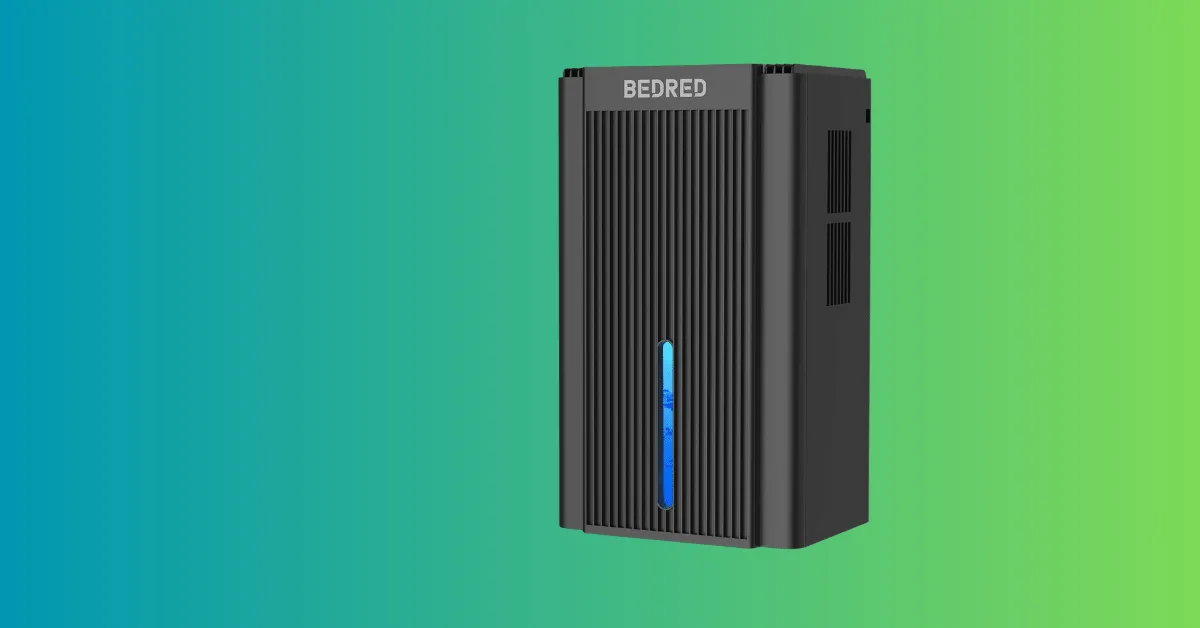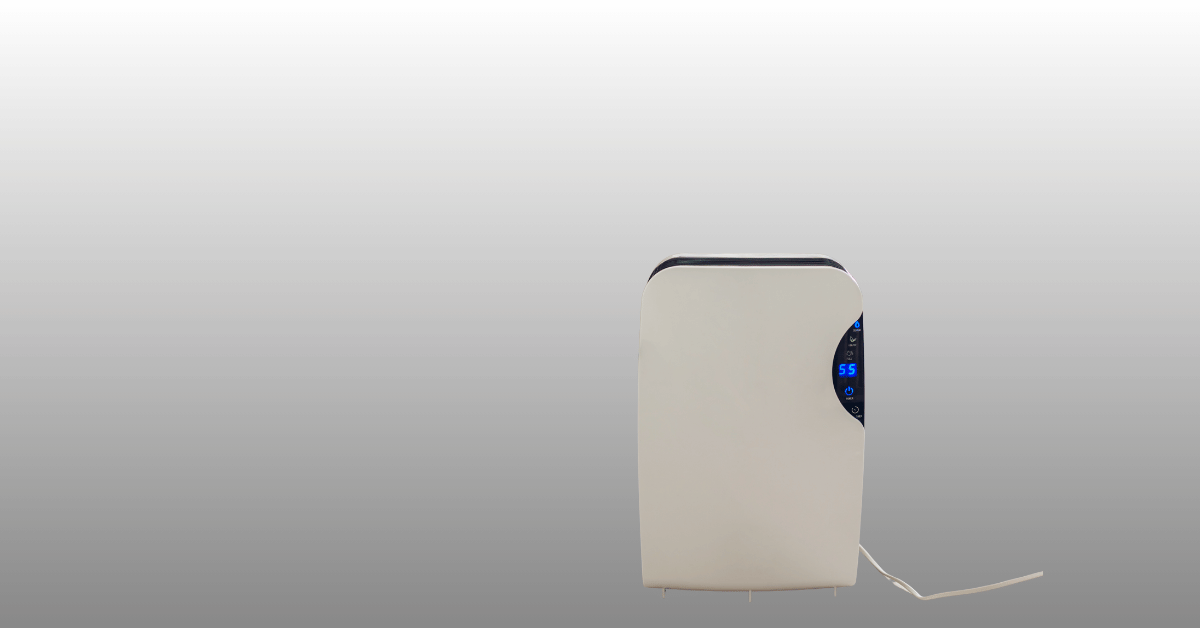
Is a Humidifier or Dehumidifier for Asthma the Best Choice for You?
Are you an asthma patient suffering from difficulty in breathing? Then you should know that indoor air quality has directly impact on your asthma symptoms. Dry air can irritate your throat, make your asthma harder to control, and worsen cold symptoms. A humidifier is best when the air is too dry because it adds moisture.
If the air is too humid, it can trigger asthma, such as dust mites and mold. Heavy and moist air can also be harder to breathe in. A dehumidifier is best when the air is too humid because it pulls moisture out.
For asthma, the humidity level in your home is best at 30%-50%. You have to decide whether a Humidifier or Dehumidifier for Asthma is the Best Choice for you.
Let us know the details: when to use humidifiers, when to use dehumidifiers, the benefits and risks of using them for asthma, and which option might be best for managing your condition.
What is Asthma and its Environmental Factors
A New York State phone survey (2002–2003) studied asthma and home conditions.
Homes with asthma were more likely to have mold, and to use humidifiers, dehumidifiers, and air cleaners.
Mold showed the strongest link with asthma in both children and adults.
Pets, cockroaches, and tobacco smoke were not clearly linked in this survey.
The study says public health efforts should focus on reducing home triggers, especially mold.
Homes with asthma were more likely to have mold, and to use humidifiers, dehumidifiers, and air cleaners.
Mold showed the strongest link with asthma in both children and adults.
Pets, cockroaches, and tobacco smoke were not clearly linked in this survey.
The study says public health efforts should focus on reducing home triggers, especially mold.
Role of Air Quality in Asthma
Environmental factors, particularly air quality, play a significant role in triggering asthma symptoms. Poor air quality, often caused by high levels of allergens like dust mites, mold, pet dander, and pollen, can irritate the airways, making asthma symptoms worse.
Humidity levels in the air also play a role. Dry air can lead to irritation in the respiratory system, while excessive moisture can encourage mold growth, which may worsen asthma.
Humidifier vs. Dehumidifier for asthma: A Quick Comparison
| Feature | Humidifier (adds moisture) | Dehumidifier (removes moisture) |
|---|---|---|
| Best when your home air is… | Too dry (often winter, indoor heating, dry climates) | Too humid/damp (humid climates, rainy seasons, poor ventilation) |
| Typical humidity sign | Humidity often below 30% | Humidity often above 50% |
| How it may help asthma | Moisture can soothe dry/irritated airways and reduce dryness-related coughing | Lowers moisture to help reduce mold and dust mites, common asthma triggers |
| When it can make asthma worse | If humidity gets too high → mold/dust mites may increase | If air gets too dry → dry throat, coughing, airway irritation |
| Good if your triggers include… | Cold/dry air, dry throat, winter cough | Mold, dust mites, musty air, dampness |
| Not ideal if… | Your home already has high humidity or mold issues | You already have dry indoor air (common in heated homes) |
| Key rule for safe use | Keep humidity 30–50% and clean device often | Keep humidity 30–50%, avoid over-drying, maintain/clean unit |
| Extra tip | Use distilled water if possible and clean regularly | Fix leaks/ventilation issues—dehumidifier helps but doesn’t replace repairs |
Quick pick:
- If your home humidity is under ~30% → humidifier.
- If your home humidity is over ~50% → dehumidifier.
Does a Humidifier Help With Asthma?- Detailed Analysis
A humidifier can help some people with asthma—but only in the right situation and only if it’s used correctly. Asthma symptoms often flare when airways get irritated by triggers like cold, dry air, pollution, or seasonal allergens. If the air inside your home is very dry (common in winter or in dry climates), adding a bit of moisture may make breathing feel more comfortable.
Why dry air can make asthma feel worse
When indoor air is too dry, it can irritate the lining of your nose, throat, and airways. That irritation may lead to symptoms such as:
- coughing
- wheezing
- shortness of breath
- a tight or scratchy feeling in the throat/chest
In these cases, a humidifier may help by reducing airway dryness.
The important catch: more humidity isn’t always better
Too much moisture in the air can backfire. High humidity encourages mold, mildew, and dust mites—common asthma triggers. Very humid air can also feel heavy, which some people find harder to breathe in.
A practical target for most homes is 30%–50% indoor humidity.
Benefits of Using a Humidifier for Asthma
A humidifier may be helpful if:
- Your home feels noticeably dry (especially in cold months with indoor heating)
- You live in a dry climate
- You wake up with a dry throat, coughing, or congestion that seems related to dry air
- A hygrometer shows your indoor humidity is consistently below ~30%
Related Article: Is It Good to Have a Humidifier in Your Bedroom for Better Sleep Quality?
When it might not help (or could worsen symptoms)
Be cautious if:
- You live somewhere humid, and indoor humidity is already above 50%
- You’ve had mold problems in the home
- Dust mites are a known trigger for you
- You notice symptoms worsen after using the humidifier
Safety tips if you use a humidifier with asthma
To avoid making asthma worse:
- Measure humidity with a hygrometer and keep it in the 30%–50% range.
- Clean the humidifier regularly to prevent mold and bacteria buildup.
- Use fresh water and change it often; don’t let water sit in the tank.
- Place it where it won’t create damp areas on walls, bedding, or carpets.
- If you notice more coughing, wheezing, or musty smells, stop use and reassess.
Choosing a humidifier for asthma
Look for:
- adjustable humidity settings (or auto shutoff)
- an easy-to-clean design
- filters (if the model uses them) and a clear replacement schedule
Humidifier vs. dehumidifier: which is better?
It depends on your home’s humidity:
- Dry home/season: a humidifier may help.
- Humid home/climate: A dehumidifier may be a better choice to reduce mold and dust mites.
Bottom line
A humidifier can help with asthma if dryness is part of the problem—but it’s not a universal solution, and it can worsen symptoms if humidity gets too high or the device isn’t kept clean. If you’re unsure whether it fits your asthma plan, it’s smart to discuss it with your healthcare professional—especially if you’ve had frequent flare-ups or known mold/dust triggers.
Related Article: Do Humidifiers Cause Dust? Let’s Explore the Myth!
Can a Dehumidifier Help With Asthma?
A dehumidifier may help some people with asthma—but it isn’t a guaranteed fix, and it depends a lot on your home’s moisture level and your personal triggers. Humidity is a common asthma trigger, and breathing overly humid, damp air can worsen breathing and lead to respiratory discomfort. In homes where moisture is consistently high, lowering humidity can make the environment less friendly for common asthma triggers.
How a dehumidifier might help
A dehumidifier removes water from the air. When indoor humidity is too high, using one can help by:
- Reducing mold growth conditions: Moist environments increase the risk of mold. A dehumidifier won’t remove existing mold, but it can help prevent additional growth.
- Making dust mites less likely to thrive: Dust mites prefer humid conditions. Lower humidity can make your home less hospitable to them—useful if dust mites trigger your asthma.
- Improving overall indoor comfort: Some people find that breathing feels easier when the air is not heavy and damp.
The big caution: too dry can also trigger symptoms
Dehumidifiers can overcorrect. If humidity drops too low, you might notice:
- dry throat
- coughing
- irritation that can mimic or aggravate asthma symptoms
That’s why control matters—aim for a balanced indoor humidity level (often around 30%–50%).
Who is most likely to benefit?
A dehumidifier tends to make the most sense if:
- You live in a humid climate or a region with rainy seasons (humidity stays high for long periods)
- Your home feels musty, damp, or shows signs of condensation on windows/walls.
- You’re sensitive to mold or dust mites.
- A humidity monitor shows your home is regularly above ~50%
Related Article: Can you sleep with a dehumidifier on in the bedroom?
Types of dehumidifiers
Here are the main options you’ll see:
- Refrigerant (compressor) dehumidifiers: The most common; moisture condenses on cold coils.
- Desiccant dehumidifiers: Use moisture-absorbing material; can work well in cooler conditions.
- Whole-house dehumidifiers: Installed into the home/HVAC system; efficient for large spaces but more expensive.
Tips for using a dehumidifier safely with asthma
- Use a hygrometer (humidity meter) so you don’t over-dry the air.
- Keep humidity in a moderate range rather than chasing as dry as possible.
- Empty and clean the water tank and follow maintenance instructions to avoid microbial buildup.
- If you have visible mold, address the source and remove the mold properly—a dehumidifier alone won’t solve it.
Bottom line
A dehumidifier can be a helpful tool if your home is too humid—especially when mold or dust mites are part of your asthma trigger profile. But it’s not a universal asthma treatment, and drying the air too much can also irritate your airways. If you’re dealing with ongoing symptoms, frequent flare-ups, or regular mold exposure, it’s worth discussing your home environment and triggers with a healthcare professional.
Humidifier vs. dehumidifier: which is better?
It depends on your home’s humidity:
- Dry home/season: a humidifier may help.
- Humid home/climate: A dehumidifier may be a better choice to reduce mold and dust mites.
Basements or bathrooms. Excessive moisture can cause mold growth, which is a common asthma trigger. By removing excess humidity, dehumidifiers help prevent mold from developing and reduce the number of allergens in the air.
Related Article: Whole house dehumidifiers -installation guide-2026
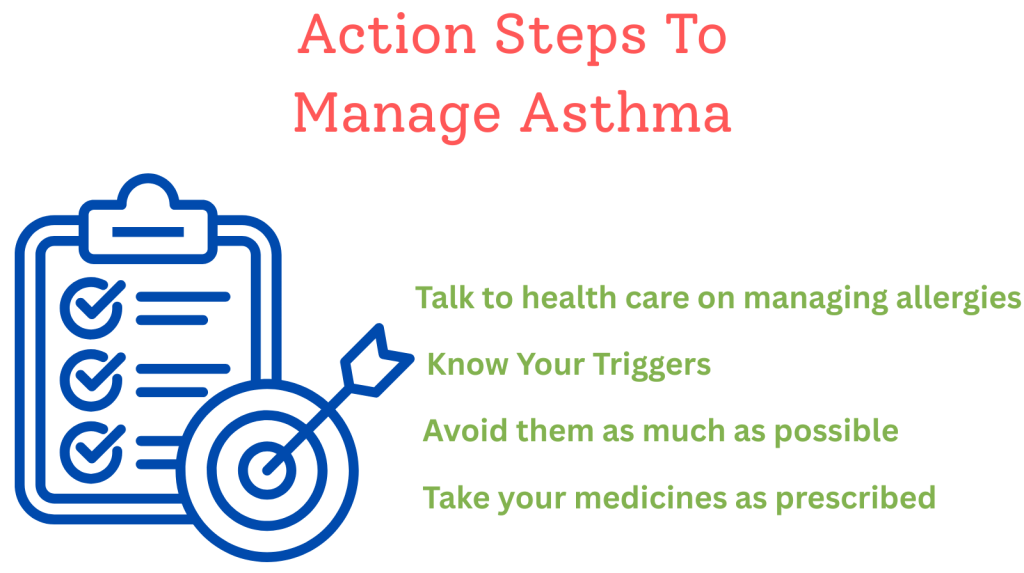
Managing Your Asthma: Avoiding Allergens
Allergens can trigger asthma symptoms if you are allergic to them. Symptoms may start right away or hours later. Your healthcare provider can test you to find your triggers.
Dust & dust mites
- Wash bedding weekly in hot water (130°F).
- Use allergen-proof covers on pillows and mattresses.
- Vacuum carpets weekly (HEPA if possible) and dust with a damp cloth.
- Keep indoor humidity below 55% (use a hygrometer). Avoid humidifiers if your home is humid.
Mold
- Clean visible mold with soap and water.
- Fix leaks and dry wet areas within 24–48 hours.
- Keep humidity below 50%; use a dehumidifier if needed.
Pollen
- Check pollen counts; stay indoors when high or wear an N95 mask.
- Shower and wash hair after being outside; keep windows closed.
Pests
- Store food in sealed containers and take out garbage daily.
- Use baits/traps and seal cracks; avoid strong sprays around the person with asthma.
Pets
- Keep pets out of bedrooms and off carpets/furniture.
- Wash pets regularly and consider using a HEPA air filter.
FAQ: Humidifier or Dehumidifier for Asthma
1. Can a humidifier help with asthma?
Yes, a humidifier may help with asthma in dry conditions by adding moisture to the air and reducing airway irritation. However, too much humidity can trigger mold growth and make asthma worse.
2. Does a dehumidifier help asthma?
A dehumidifier may help if your home is too humid or has mold and dust mites, which are common asthma triggers. Removing excess moisture can improve air quality and reduce triggers.
3. Which is better for asthma, a humidifier or a dehumidifier?
Neither is always better. It depends on your indoor humidity: if it’s too dry, a humidifier might help; if it’s too humid, a dehumidifier may be the better choice. The goal is balanced indoor humidity
4. What humidity level is best for asthma?
Most experts suggest keeping indoor humidity between 30% and 50% to reduce asthma triggers and maintain comfort.
5. Can humidifiers make asthma worse?
Yes, if a humidifier is not cleaned regularly or makes the air too damp, mold and dust mites can grow and worsen asthma symptoms.
6. Should I ask a doctor before using a humidifier for asthma?
Yes, especially if you have moderate to severe asthma or allergies, you should speak with your healthcare provider before starting a humidifier.
7. Are dehumidifiers safe for asthma?
Dehumidifiers are generally safe when used correctly. But if they make the air too dry, they may cause throat and airway irritation. Monitor humidity and adjust as needed.
Resources:
- (Healthline)
- (Medical News Today)
- (LIV Hospital)
- (Nationwide Children’s)
- (Mayo Clinic)
- (Asthma.net)
- (Asthma and Lung Health Institute)
- Asthma Guide (PDF)
- (PMC
- (Healthline)
- (Liv Hospital)
- (Medical News Today)
- f www.thoracic.org/patients
- https://www.cdc.gov/asthma/triggers.html
- https://www.aafa.org/asthma-triggers-causes/
- managing-asthma/reduce-asthma-triggers.html
- https://pubmed.ncbi.nlm.nih.gov/2645343/