Discover the Ideal Humidity Level for a Bedroom for Restful Sleep
If you wake up with a dry throat, stuffy nose, or itchy skin, your bedroom air might be off. It is not always the temperature. A lot of the time, it is the moisture in the air.
So, what is the ideal humidity level for a bedroom? For most people, the sweet spot is 40% to 60%. That range supports comfort. It can also support humidity and sleep quality. You breathe easier. Your skin feels better. Your room feels less heavy or too dry.
This guide will help you understand the comfortable humidity range, how it affects sleep, and how to keep your bedroom air quality in a better place.
Understanding Humidity and Its Importance
Humidity is the amount of water vapor in the air. It is basically moisture in the air that you cannot always see. But you can feel it.
When humidity is too high, your room can feel sticky and warm. When humidity is too low, the air can feel sharp and dry. Both can mess with your sleep. This is why optimal indoor humidity matters at night.
Humidity also affects your nose, throat, and skin. It can even affect dust and allergens. So it is not only about comfort. There can be real health effects of humidity, too.
What is humidity, and its role in sleep?
Sleep needs calm conditions. Your body wants steady air and easy breathing. If the humidity is off, your body may keep reacting all night without you noticing.
High humidity can make you sweat more. That can wake you up. It can also make the room feel stuffy. Some people feel like the air is “thick.”
Low humidity can dry out your nose and throat. Then you might snore more or wake up coughing. Dry air can also make your skin itchy. That can lead to tossing and turning.
So yes, humidity and sleep quality are linked. Not for everyone in the same way, but it matters.
How moisture in the air impacts rest
Moisture in the air changes how your room feels. It also changes how you breathe.
If the air is too damp, it may feel warm even when the room is cool. That can make your blanket feel too heavy. You may wake up sweaty. Damp air can also support mold and dust mites. That can trigger allergies. It can lower bedroom air quality.
If the air is too dry, your body loses moisture faster. Your lips may crack. Your eyes can feel dry. Your sinuses can feel irritated. That irritation can break your sleep.
The goal is a balanced level. Not too wet. Not too dry.
Optimal Indoor Humidity Levels for Sleep
Optimal indoor humidity is usually in the middle range. It should feel comfortable to breathe. It should not leave water on windows. It should not make your skin feel like paper.
For bedrooms, many people do well at 40% to 60% humidity. That is a common comfortable humidity range for sleeping. It supports normal breathing and skin comfort.
But your home, season, and climate matter too. In winter, indoor air can get very dry. In rainy seasons, indoor air can get too damp. So you may need to adjust a little.
Related Article: Whole house dehumidifiers -installation guide-2026
Ideal humidity for sleeping: The 40-60% range
The ideal humidity for sleeping is often 40% to 60%. Think of it as a safe middle zone.
- Around 40% can feel clean and light. Great for many people.
- Around 50% is often the “most comfy” spot.
- Closer to 60% may still feel okay, but it can start to feel heavy for some.
If you keep getting condensation on windows or a musty smell, your humidity might be too high. If you keep waking with a dry throat, it might be too low.
If you want the simplest answer again, what is the ideal humidity level for a bedroom? Try 45% to 55% first. Then adjust.
Why is a comfortable humidity range vital for health?
A comfortable humidity range is not only about comfort. It can also support your body.
When humidity is balanced:
- Your nose and throat stay less irritated.
- Your skin stays less dry.
- You may cough less at night.
- Your sinuses can feel calmer.
When humidity is too high:
- Mold can grow faster in damp spots.
- Dust mites can grow more.
- Allergies can get worse for some people.
When humidity is too low:
- Your airways can dry out.
- Your nose may bleed more easily.
- Your eyes can feel gritty.
- Your skin can itch.
These are real health effects of humidity. They are small for some people, big for others.
Effects of Low Humidity on Sleep Quality
Effects of low humidity show up fast in a bedroom. Many people think dry air is “fine.” But your body can complain quietly.
Low humidity can lead to:
- Dry throat in the morning
- More snoring
- Nose feels blocked, but also dry.
- Coughing at night
- Waking up thirsty
It can reduce humidity and sleep quality because you keep getting small irritations. Even if you do not fully wake up, your sleep can feel light.
Related Article: How to Choose the Right Dehumidifier for Basement
Symptoms of dry air in the bedroom
Here are common symptoms. These are also the effects of low humidity that people notice most.
- Dry lips and dry skin
- Static shocks on blankets
- Scratchy throat at night
- Dry cough when you wake up
- Stuffy nose that feels dry inside
- Nose bleeds for some people.
- Eyes feel dry, especially if you use a fan.
If these keep happening, check your humidity. Do not guess. Use humidity monitoring devices if you can.
Health effects of humidity on sleep quality
Humidity can affect breathing. Breathing affects sleep. Simple.
If the air is too dry, your airway lining can get irritated. That irritation can trigger coughing. It can make your throat feel sore. You may start mouth breathing, which dries things more.
If the air is too humid, you might sweat and overheat. Your bedding can feel damp. Also, damp air can support mold. Mold and dust can bother people with allergies and asthma. That can interrupt sleep.
So yes, humidity and sleep quality can connect through breathing, skin comfort, and allergies.
Humidity Monitoring and Control
The best way to hit optimal indoor humidity is to measure it. Then adjust it slowly.
Do not chase perfect numbers every hour. Aim for a range. Most homes feel good in that comfortable humidity range of 40% to 60%.
And remember, weather changes. Your room can change day to day.
Related Article: Does running a dehumidifier help the air conditioner
Recommended humidity monitoring devices
Humidity monitoring devices help you stop guessing. You have a few easy options:
- Digital hygrometer (basic)
Small, cheap, and simple. It shows humidity and temperature. - Thermometer hygrometer combo
Same thing, just a bit nicer. Great for bedrooms. - Smart humidity sensor
Shows readings on your phone. Some send alerts if the humidity gets too high or too low. - Humidifier with a built-in sensor
Some humidifiers can aim for a set target. This can help keep the ideal humidity for sleeping.
Place the device near where you sleep. Not right next to a vent. Not on a windowsill. The middle room is best.
Tips for maintaining optimal indoor humidity
Here are simple tips that actually work. Pick what fits your room.
If humidity is too low:
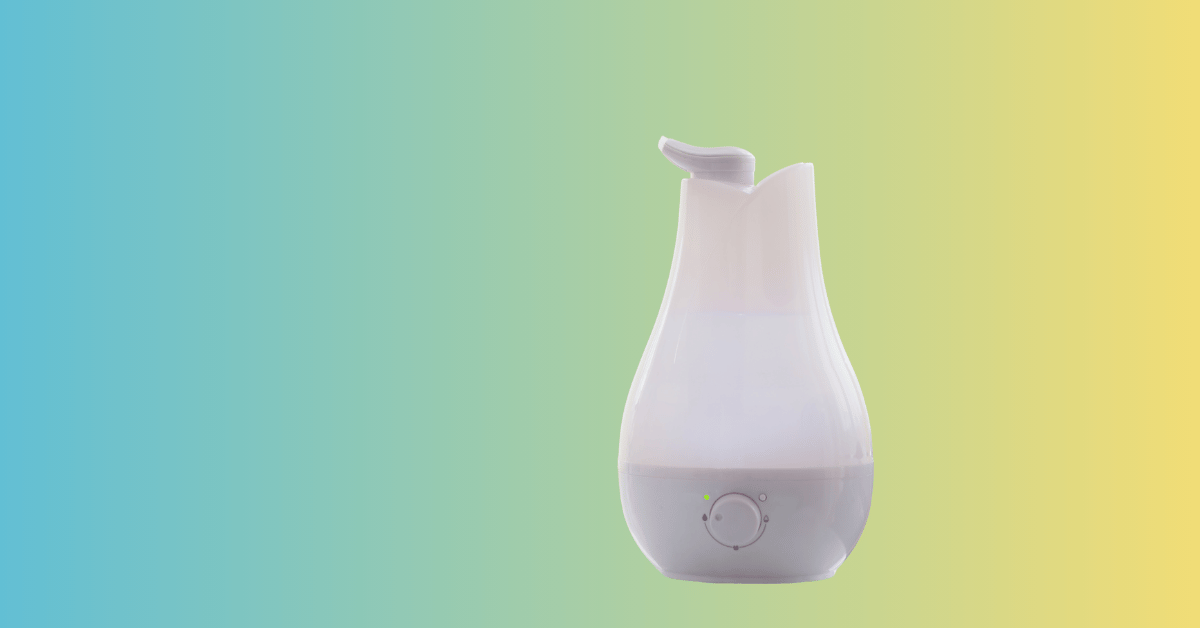
- Use a humidifier at night.
- Keep the bedroom door slightly open to balance the air.
- Avoid running a fan straight at your face all night.
- Add a bowl of water near a heat source if you need a tiny boost. It is mild, but it helps a bit.
- Do not over-humidify. Too much can cause dampness.
If humidity is too high:
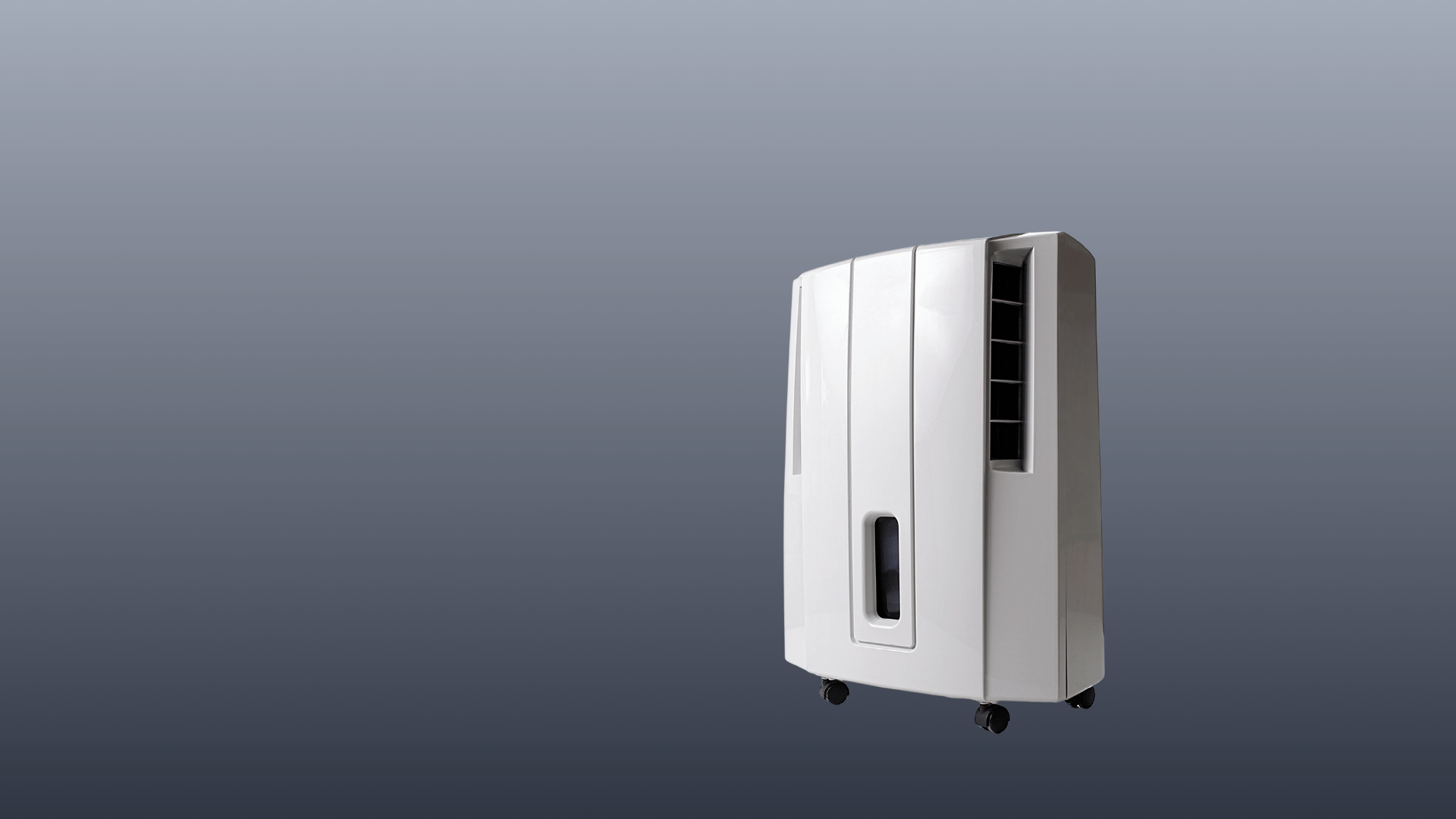
- Use a dehumidifier, especially in damp homes.
- Run bathroom exhaust fans during showers and after.
- Do not dry clothes in the bedroom.
- Open windows for a few minutes if the outdoor air is not polluted.
- Improve airflow. Move furniture slightly away from cold walls.
The main goal is steady optimal indoor humidity, not swings.
Related Article: Do Humidifiers Cause Dust? Let’s Explore the Myth!
Final thoughts on What Is the Ideal Humidity Level for a Bedroom for Restful Sleep
- What is the ideal humidity level for a bedroom? Most people do best at 40% to 60%.
- Ideal humidity for sleeping helps breathing, skin comfort, and rest.
- Effects of low humidity include dry throat, cough, itchy skin, and static.
- High humidity can feel heavy and may increase mold and allergens.
- Humidity monitoring devices, like a hygrometer, make this easy.
Your bedroom air quality matters more than people think. Humidity is a big part of it. Keep it in a comfortable humidity range. Start simple. Measure it first. Then adjust slowly.
FAQ-What is the ideal humidity level for a bedroom?
For most people, the ideal humidity level for a bedroom is 40% to 60%. This is a comfortable humidity range that supports breathing and calm sleep. If you want one simple target, try 45% to 55% first.
1-What is the ideal humidity for sleeping if I wake up with a dry throat?
If you wake up with a dry throat, your humidity may be too low. A good ideal humidity for sleeping is often 40% to 50%. If your room is below 30%, dry air symptoms usually show up fast.
2-Is 60% humidity too high for a bedroom at night?
Sometimes. 60% is still inside the upper end of the comfortable humidity range, but it can feel heavy. If you notice sweat at night, a musty smell, or damp windows, lower it closer to 40% to 50% for better humidity and sleep quality.
3-What happens if bedroom humidity is too low?
The effects of low humidity can include a scratchy throat, dry cough, dry skin, nose irritation, and more static shocks. These problems can disturb rest and lower humidity and sleep quality, even if you do not fully wake up.
4-What happens if bedroom humidity is too high?
Too much moisture in the air can make you feel warm and sticky. It can also support mold and dust mites, which may worsen allergies. That can hurt bedroom air quality and lead to lighter sleep.
5-What is the most comfortable humidity range for babies or kids?
Most families still aim for the same optimal indoor humidity range, around 40% to 60%. Many parents try to stay near 45% to 55% to avoid very dry air, but also avoid dampness.
6-What humidity level helps with snoring?
Snoring has many causes, but dry air can irritate the throat and nose. Many people sleep better when ideal humidity for sleeping stays around 40% to 50%. If your room is very dry, improving moisture in the air may help.
7-How do I check bedroom humidity?
Use humidity monitoring devices like a digital hygrometer. It shows the current humidity in seconds. Place it away from windows and vents for a more accurate reading.
8-What are the best humidity monitoring devices for a bedroom?
A basic digital hygrometer is enough for most people. If you want more control, choose a smart sensor that alerts you, or a humidifier with a built-in sensor for maintaining optimal indoor humidity.
9-How can I maintain optimal indoor humidity in winter?
Winter heating can dry the air fast. To maintain optimal indoor humidity, run a humidifier at night if readings are below 30% to 35%. Also, avoid blasting heat all night if possible, and keep the door slightly open for better airflow.
10-How can I lower the humidity in a bedroom in summer or rainy weather?
If humidity is high, use a dehumidifier, improve airflow, and avoid drying clothes indoors. Keep windows closed during very humid weather. These steps help control moisture in the air and protect bedroom air quality.
11-Should I use a humidifier or a dehumidifier for better sleep?
It depends on your readings. If the humidity is under 30%, a humidifier is usually helpful. If it is over 50% to 60%, a dehumidifier may be better. The goal is a comfortable humidity range that supports humidity and sleep quality.
12-Can plants fix humidity in a bedroom?
Plants can add a tiny amount of moisture to the air, but they usually cannot fix a real humidity problem. If your humidity is far off, humidity monitoring devices plus a humidifier or dehumidifier work better.
How fast should humidity change for the best sleep?
Slow changes are best. Big swings can make the room feel weird. Try to keep your bedroom within the same comfortable humidity range all night for steadier humidity and sleep quality.