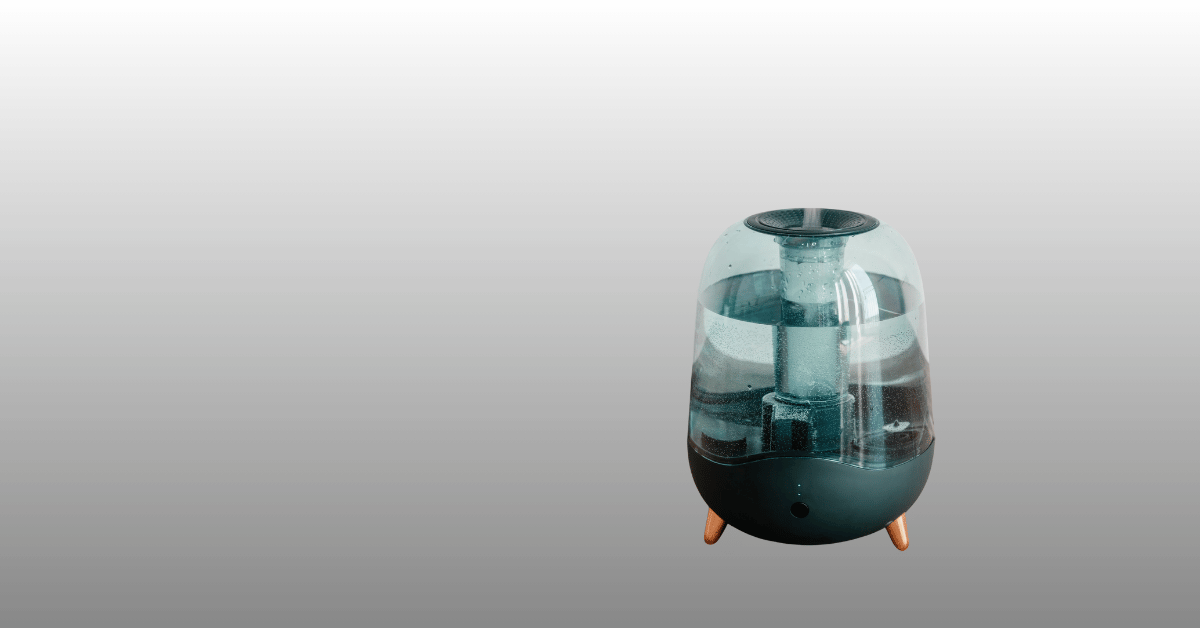
Is It Good to Have a Humidifier in Your Bedroom for Better Sleep Quality?
If you’ve ever had trouble sleeping due to dry air, a humidifier might be the solution you need. Many people use humidifiers in their bedrooms to improve air quality and comfort, but is it actually good for sleep quality? In this article, we’ll dive into the benefits of sleeping with a humidifier, how to use it properly, and whether it’s safe to leave it running all night. Let’s find out if having a humidifier in your bedroom is a smart choice for better sleep.
Understanding Humidifiers
What is a humidifier?
A humidifier is a device that adds moisture to the air. It helps keep the air from becoming too dry, especially in winter or in areas with low humidity. Dry air can cause discomfort, including dry skin, sore throats, and irritated sinuses. A humidifier helps prevent these issues by keeping the air in your bedroom moist.
Types of humidifiers
There are different types of humidifiers available, each with unique features:
- Evaporative humidifiers: These are common and work by using a wick filter to absorb water. A fan then blows the moisture into the air.
- Ultrasonic humidifiers: These use high-frequency sound waves to break water into tiny droplets, which are then released as a fine mist.
- Steam vaporizers: These heat water to create steam, which is released into the air.
- Impeller humidifiers: These use a rotating disk to create mist and release it into the air.
Each type has its pros and cons, but they all help keep the air in your bedroom at an ideal moisture level.
Related Article: 7 Reasons Why My Humidifier Keeps Turning Off and How to Solve Them
Benefits of a Humidifier While Sleeping
Improving sleep quality
Using a humidifier while sleeping can help improve sleep quality. Dry air can make it harder to breathe, especially if you suffer from snoring or congestion. A humidifier adds moisture to the air, which helps keep your airways open and your breathing steady. This makes it easier to fall asleep and stay asleep through the night.
Reducing allergy symptoms
Humidifiers can reduce allergy symptoms by preventing allergens from becoming too dry and airborne. Moist air helps to trap dust, pollen, and pet dander, reducing the amount of allergens in your room. This is especially helpful if you have seasonal allergies or are sensitive to dust. Sleeping with a humidifier can help you breathe easier and feel more comfortable at night.
Preventing dry skin
Dry air can leave your skin feeling tight and dry, especially in the winter. When you sleep with a humidifier on, the added moisture in the air helps prevent dry skin. This is particularly beneficial for people with sensitive skin or conditions like eczema, as it helps keep the skin hydrated overnight.
Supporting respiratory health
Humidified air is also good for your respiratory system. If you have asthma, a cold, or sinus issues, sleeping with a humidifier can help prevent irritation in your airways. Moist air helps keep your nasal passages and throat moist, reducing the chances of congestion, coughing, and dry throats.
Related Article: Can You Put Vaseline Inside Your Nose? The Safety Guide You Need
Humidifier Placement and Usage
How close should a humidifier be to bed?
When using a humidifier in your bedroom, it’s important to place it at the right distance from your bed. You want it close enough to have a positive effect on the air, but not so close that it makes the room too humid or causes moisture to collect on surfaces near your bed. A good rule of thumb is to keep the humidifier at least 3 feet away from your bed. This helps to ensure the air is moistened without making it too damp around your sleeping area.
Can you sleep with a humidifier on?
Yes, you can sleep with a humidifier on. In fact, many people use their humidifiers all night to maintain a comfortable level of moisture in the air. It’s important to make sure the humidifier is in good working condition and the water tank is full before going to bed.
Is it good to use a humidifier every night?
It’s generally fine to use a humidifier every night, especially if you live in a dry climate or during winter months when indoor air tends to be drier. However, it’s important to clean your humidifier regularly to prevent bacteria or mold buildup, which can negatively affect your health. Using it consistently can help you sleep better and feel more comfortable.
Related Article: Can a Humidifier Cause Mold in Carpet?
Optimal Humidity Levels for Sleep
What is the optimal humidity range?
For the best sleep quality, the optimal humidity level in your bedroom should be between 30% and 50%. This range is ideal for most people and helps avoid issues like dry skin, respiratory discomfort, and mold growth.
Effects of low vs. high humidity on sleep
- Low humidity: If the air is too dry, it can cause discomfort such as dry skin, sore throats, and congestion. It can also make it harder to breathe, which can affect sleep quality.
- High humidity: If the air is too humid, it can feel heavy and make it difficult to sleep. Excess moisture can also promote the growth of mold and dust mites, which can trigger allergies and asthma.
Maintaining a balanced humidity level helps create a comfortable sleep environment and promotes better health.
Related Article: Are Evaporative Humidifiers Better for Your Home?
Maintenance Tips for Humidifiers
Regular cleaning
To keep your humidifier working properly, it’s important to clean it regularly. Bacteria and mold can build up in the water tank and filters, so make sure to clean them according to the manufacturer’s instructions. A good rule of thumb is to clean your humidifier once a week if you use it daily.
Choosing the right water type
Using the right type of water is important for your humidifier’s efficiency. It’s best to use distilled or demineralized water to avoid mineral buildup inside the humidifier, which can cause white dust and reduce its performance. Avoid using tap water, as it may contain minerals that could harm the device.
Troubleshooting common issues
If your humidifier isn’t working properly, there are a few things to check. First, make sure the water tank is full, and the filter is clean. If the unit is making a strange noise or isn’t producing mist, it may be time to clean or replace the filter. Always follow the troubleshooting guidelines in your humidifier’s manual to solve common issues.
Related Article: Why Distilled Water for Humidifier is Essential for Your Health
Is it good to have a humidifier in your bedroom- Yes
Using a humidifier in your bedroom can be an excellent way to improve sleep quality, reduce allergies, prevent dry skin, and support your respiratory health. Just make sure to place it at the right distance, maintain optimal humidity levels, and clean it regularly. With the right care, a humidifier can make your sleep environment more comfortable and help you sleep better.
FAQs-Is it good to have a humidifier in your bedroom
1. Is it good to have a humidifier in your room?
Yes, a humidifier in your room helps improve air quality, prevent dry skin, and support better sleep.
2. Can a humidifier help you sleep?
Yes, a humidifier can help you sleep by keeping your airways moist, reducing snoring, and promoting deeper sleep.
3. Is it OK to use a humidifier every night?
Yes, it’s safe to use a humidifier every night, but remember to clean it regularly to prevent bacteria or mold buildup.
4. Can you sleep with a humidifier on all night?
Yes, you can leave a humidifier on all night. Just make sure it’s placed at a safe distance, and the water tank is full.
5. How close should a humidifier be to the bed?
Place the humidifier at least 3 feet away from your bed for optimal air quality and comfort.
6. Does a humidifier help with allergies at night?
Yes, using a humidifier can help reduce allergy symptoms by preventing allergens from becoming airborne and easing breathing.
Here are all the best related resources, guides, health info, and recent news on using humidifiers—especially for better sleep, bedroom air quality, and general health effects:
Resources:
- (Medical News Today)
- (Sleep Foundation)
- (Cleveland Clinic)
- (Aromahpure)
- (Healthline)
- (mountainent.com)
- (Penn Medicine Becker ENT & Allergy)
- (Wikipedia)
- (Southern Living)
- (The Washington Post)
- (Verywell Health)
- (The Times of India)
- (Woman & Home)
- (arXiv)
- (Medical News Today)
- (Penn Medicine Becker ENT & Allergy)
- (Southern Living)