If your house has a musty smell, it ruins your all day activities .Similarly If your basement has a musty smell, it ruins your movie nights.
Finding the right dehumidifier will eliminate the annoying smell and make your space more pleasant and comfortable. Lets find out How to choose the right dehumidifier and know about the installation process .
Additionally in the end we will please to told you on Dehumidification Technology.
Best Dehumidifier buying Guide: How to Choose the Right dehumidifier for whole house use
Before moving on, it is essential for you to know about the types of dehumidifiers and which one is used to dehumidify the whole house.
Dehumidifier Types.
Dehumidifiers are classified as:
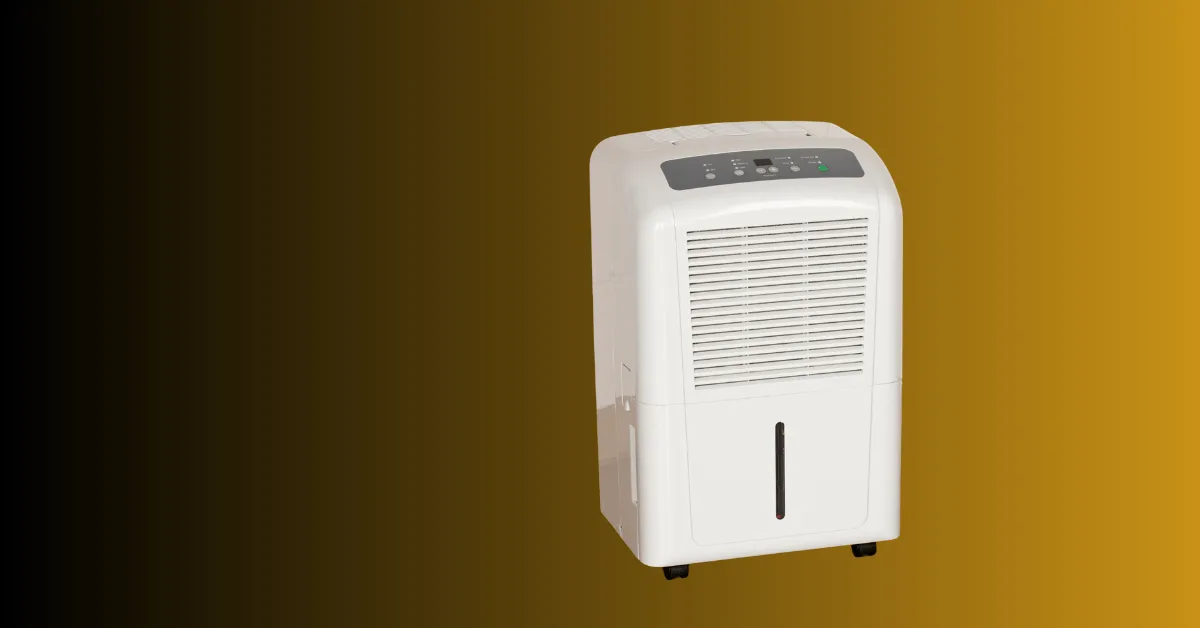
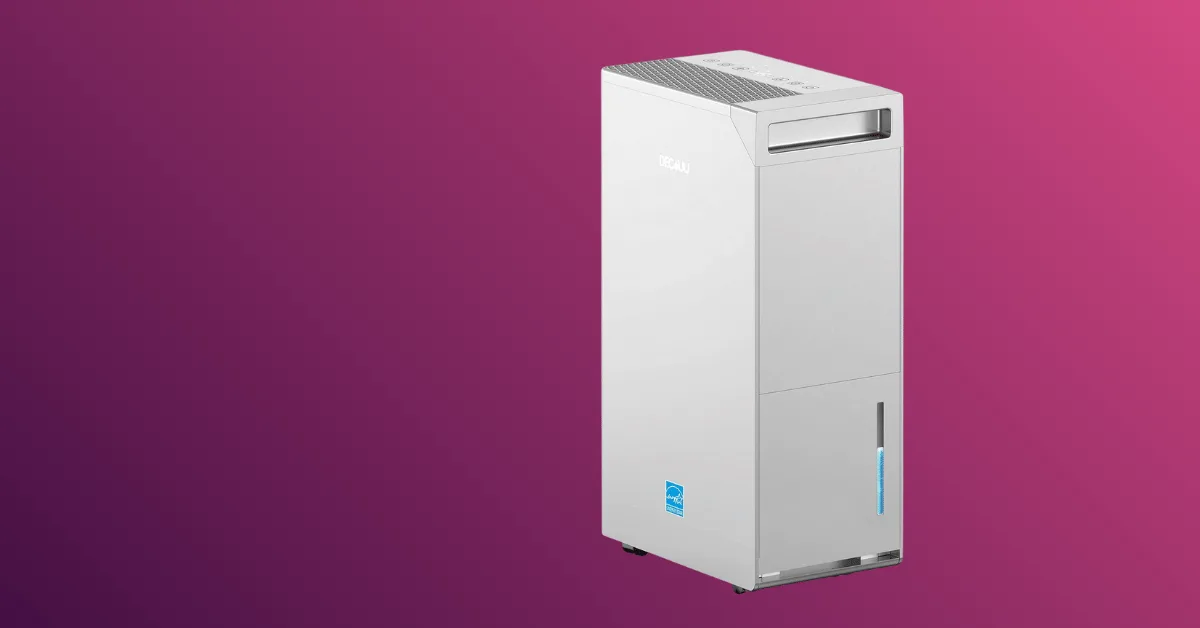
Compressor dehumidifiers:
Best for large, damp rooms with high water removal capacity.
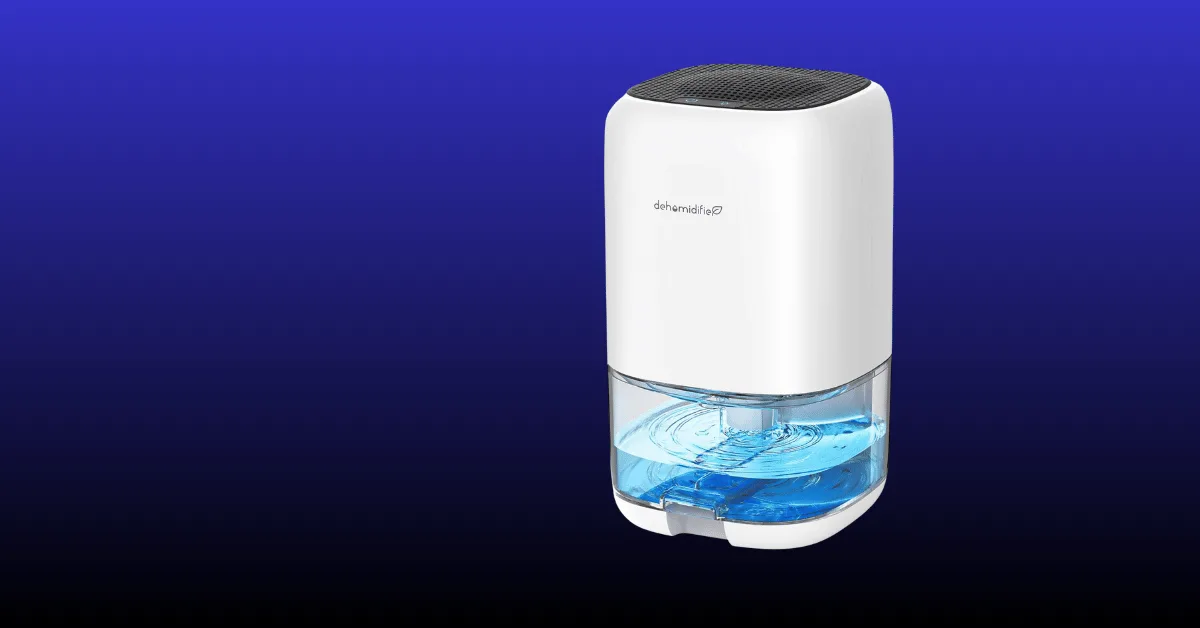
Thermo-electric dehumidifiers:
Ideal for small, dry spaces due to their compact size and quiet operation.
Desiccant dehumidifiers:
Perfect for colder, less humid environments where additional heat is beneficial.
Note that a compressor dehumidifier has the ability to remove several gallons of water from the air in a day, as opposed to a thermo-electric or desiccant model, which only removes a few ounces.
For a compressor dehumidifier, homes and basements are ideal. As for the other two, they will suit small and dry spaces such as closets.
This guide will focus on the compressor dehumidifier.
Why Capacity Matters When Buying a Dehumidifier.
Before comparing models for the best dehumidifier, it is essential to understand the capacity of dehumidifiers.
Dehumidifier capacity is defined as the quantity of moisture the device can remove from the air within a 24-hour period. It can be quantified using pints. For example, to put it into perspective, a 50-pint capacity dehumidifier removes moisture equivalent to nearly a standard kitchen trash can full of water daily. For example:
A unit with a 50-pint capacity will extract moisture equivalent to 6.25 gallons per day.
A unit with a 35-pint capacity will extract 4.375 gallons per day.
A unit with a 22-pint capacity will extract 2.75 gallons per day.
Some models specify 30 or 45 points in their specifications; however, the method of sizing remains unchanged in principle.
Sizing Charts
Most user manuals will provide sizing charts that correlate square footage and moisture levels to a capacity rating. Most of the time, however, these can be rather incomplete, and here is why:
1. Ranges can be narrow
For example, 1,500-4,500 sq. ft. with little to no attention paid to the “missing” small apartments and the “larger” basements.
2. Ceiling height
It’s generally accepted that a 1,000 sq. ft. room with 10 ft. ceilings will have 10 times more air, which is equivalent to 10 times more moisture, than a room with 8 ft. ceilings.
CFM: This stands for Cubic Feet per Minute, which is a measure of how much air passes through the dehumidifier in one minute. A higher CFM moves air more effectively, helping dehumidify larger spaces.
Testing conditions are generally noted as 65 °F and 60% RH, but real living spaces and basements often do not match these conditions.
- Timing Issues – There’s a discrepancy, one brand states that its 50 pint unit serves an area of 4,000 sq. ft, and another claims that it serves 4,500 sq. ft. Which one is right?
- Issues Regarding Manufacturer Testing – There are marketers promoting 22 pint dehumidifiers, which are said to serve an area of 1500 sq ft, but in reality, they do not get that job done efficiently.
What to do
We recommend that you opt for a larger one. Before deciding on a 50-pint dehumidifier, consider this quick checklist to ensure it meets your needs:
- How damp is the area? Determine if the space has mild, moderate, or severe moisture issues to know if a 50-pint unit is necessary.
- How large is the space? Measure the square footage to ensure it correlates with the unit’s capacity for optimal efficiency.
- How often will it be used? Consider whether the dehumidifier will run continuously or only during certain seasons or conditions.
This self-assessment can help tailor your decision to your specific circumstances, transforming the general recommendation into personalized guidance.
50 pint dehumidifiers and units with larger capacities are more efficient in operation, and they do it quicker, which helps in having a longer lifespan and reducing the frequency of replacements or maintenance.
As a general rule, buy the largest unit that your budget allows.
For the majority of people, a 50 pint dehumidifier will be the most effective and practical choice.
In smaller, lightly damp spaces, smaller dehumidifiers are suitable, although they will operate more slowly and be less efficient, as well as less durable.
The bigger the unit, the more effective and quicker the moisture removal. A 50 pint dehumidifier is effective because it is rated to do more.
- 50 pint → 2.1 pints/hour
- 35 pint → 1.5 pints/hour
- 22 pint → 0.9 pints/hour
If there are 100 pints of moisture to remove:
- 50 pint unit – 48 hours
- 35 pint – 66.7 hours
- 22 pint – 111.1 hours
A 50 pint unit is 40% faster than a 35 pint unit, and 133% faster than a 22 pint unit, drying spaces faster and using less energy overall. For example, a 50 pint unit instead of a 22 pint unit on a large drying job can save over $5 in electricity. If you’re looking at the lifetime savings, consider this: over two years, the energy bills for a 50 pint unit total approximately $200 less than those of a 22 pint unit. It is clear that larger models offer better performance and value in terms of savings.
Key Benefits of Considering 50 Pint Units
- Energy Efficiency – While these units may use more energy per hour, their total energy cost is usually lower because they run for fewer hours. Ultimately, the savings can cover the price difference.
- Durability – Every operating hour correlates to stress being accrued on components like the compressor. Because 50-pint units run for fewer hours, they wear these components down more slowly.
- Fewer Complaints – Review surveys show far lighter reliability concerns with the 50-pint models versus the smaller units.
To know more on dehumidifier benefits read out our complete article on Top Benefits of Installing a Whole House Dehumidifier
How to Install a Whole-House Dehumidifier
Whole-home dehumidifier installation involves several key steps, including selecting the ideal location to establishing effective drainage, and integrating the system with your HVAC system.
Confident DIYer: If you have experience with home installations, you might opt to tackle this project yourself.
- Pick the Right Spot: Place the dehumidifier centrally to optimize moisture removal.
- 2. Establish Drainage: Securely attach the dehumidifier to a drainage line.
- HVAC Integration: Carefully connect the unit to your HVAC system for efficient performance.
- 4. Check the Power: Ensure all electrical connections are secure and the power supply is functional.
Check out our article on Whole house dehumidifiers -installation guide-2025 for complete details.
If you are interested in Understanding Dehumidification Technology. Read on
Understanding the science of air moisture can make dehumidification seem complicated. In this sectio , we will address the most common misconceptions about dehumidification in a straightforward manner.
Cooling vs. Desiccant: Which is Better for Your Job?
Cooling and desiccants have different systems for removing moisture from air.
Cooling:
Cooling systems remove moisture by lowering the air temperature. But cooling has limitations. For instance, cooling cannot remove moisture when the air temperature is below freezing (32°F or 0°C). Also, cooling systems tend to provide air of high humidity, which is not ideal if relative humidity (RH) control is an issue in your space.
Desiccant Dehumidifiers:
These systems are ideal for removing moisture to reduce dew points. Unlike cooling systems, desiccants can manage extremely low temperatures and provide dry air. Additionally, they add heat to the air, which can be beneficial in winter but problematic in summer.
Hybrid Systems:
Some systems combine both cooling and Desiccant Dehumidifiers. These units are able to pre-cool air before it goes through the Desiccant system, which enhances efficiency and results in cooler air.
Relative Humidity vs Dew Point: Which to Monitor?
Think of air as a sponge that shrinks in the cold. When it warms up, this sponge can hold more moisture, reducing the relative humidity. When it cools down, the sponge won’t hold as much, increasing the relative humidity. The dew point, on the other hand, is like the point at which the sponge becomes so saturated that it starts to drip water—that’s when moisture condenses into liquid. Monitoring dew points is crucial when moisture threatens surfaces, while relative humidity is key in managing air moisture levels.
How long can you hold your blast?
With the steel, the moisture at the surface must be controlled to avoid corrosion. The two principal elements that trigger corrosion are moisture and oxygen. Oxygen is the most challenging element to control; therefore, controlling moisture is crucial for effective management. The moisture of concern is the moisture of the material and not the moisture of the air around it. The surface temperature and dew point are needed to calculate the relative humidity at the surface. Surface moisture is lessened with dehumidification, and although the air is dry, it will still create problems with moisture because surface salts (chlorides) are contaminants that trap moisture.
Cleaning the surface (pressure washing is one alternative) can help remove trapped contaminants, allowing the dehumidification system to function properly. Further surface treatment is necessary when some contaminants remain trapped.
Important Factors to Consider with Dehumidification Systems
Dehumidification is not universal. The system required is based on the specifics of the task at hand; therefore, a fundamental understanding is necessary. The equipment you select and how you implement it have a significant impact on the success of your project.
To protect your dehumidifier maintenance is essential read out our detailed article on Maintenance Tips for Your Dehumidifier System to keep your dehumidifier last longer.
How to choose the right dehumidifier for whole house use- Final Takeaway
We hope now you better understand how to choose the right dehumidifier for whole house use .In short , For fast drying and lasting reliability, a 50-pint dehumidifier is optimal for most uses. Smaller units are suitable for small, lightly damp areas, but expect slower performance and a shorter lifespan.
FAQS-How to choose the right dehumidifier for whole house use
1-What size dehumidifier do I need for my whole house?
Measure Your Home’s Square Footage
- Measure each room’s length and width.
- Multiply length by width to find total square footage.
- Evaluate the Moisture Level
- If the space feels clammy or smells musty, it is slightly damp.
- If the air feels humid or you see excess moisture, it is very damp.
- If you notice damp floors, water stains, or standing water, the space is wet/damp.
- Match the Conditions to the PPD Rating
Use a sizing guide to match square footage and moisture level to the correct PPD rating. General guideline:- For homes with moderate dampness, select a dehumidifier with a capacity that matches the square footage of the home.
- For very damp or extremely wet conditions, increase the PPD rating by 5 to 10 points or more, depending on the severity of the conditions.
- Factor in Additional Considerations
- Climate: If you live in a humid climate, add 10 points to your PPD requirement.
- Doors and Windows: For multiple windows and doors, add 5 points.
- Add 5 pints for each additional person.
- Add 5 pints if the washer or dryer is in or near a damp area.
2-Can One Dehumidifier Work for a Whole House?
When a Single Whole-House Dehumidifier is Ideal:
- Integrated with HVAC System: These units are connected directly to your HVAC system and dehumidify the air circulating throughout the house, providing consistent moisture control.
- Good Airflow: In homes with good airflow, such as those with an open layout or proper ventilation, a properly sized whole-house unit can manage humidity across the entire house.
- Consistent High Humidity: If your home experiences high humidity levels in all areas, a whole-house dehumidifier offers a more efficient and comprehensive solution compared to using multiple portable units.
When a Single Dehumidifier or Portable Unit May Be Enough:
- Localized Humidity: If humidity is concentrated in specific areas, such as basements, bathrooms, or laundry rooms, a portable dehumidifier may be a more cost-effective and sufficient solution for those spaces.
- Open Floor Plans: Homes with open layouts and good air circulation might allow a portable unit placed centrally to address humidity for a larger area.
- Smaller Homes: For smaller homes, a single dehumidifier, either portable or whole-house, may be enough without causing unnecessary expense or overcapacity.
Factors to Consider:
- Home Size: The square footage of your home determines the dehumidifier’s required capacity (pints per day).
- Airflow: The better the airflow between rooms and floors, the further the dehumidifier’s effect will reach.
- Location of Humidity: Determine where the humidity issues are most severe to assess whether a whole-house unit is necessary or if a portable one can suffice.
3-How do I know if I need a whole-house dehumidifier?
- Sticky or Clammy Feeling: If you consistently feel uncomfortable, sticky, or clammy, even when your air conditioner is running, it could be due to excess humidity in the air.
- Asthma and Allergy Symptoms: High humidity levels can trigger or exacerbate asthma, allergy symptoms, or respiratory issues due to the proliferation of mold, mildew, and dust mites in moist environments.
- Musty Odors: Persistent musty or damp smells in your home are a strong sign of excess moisture, which can lead to mold and mildew growth.
- Visible Mold or Mildew: If you notice mold or mildew growing on walls, ceilings, or other surfaces, it’s an indication that humidity levels are too high, and you may need a dehumidifier.
- Condensation on Windows: Water droplets or condensation forming on windows, mirrors, or walls can be another sign of excessive moisture in the air.
- Damp or Wet Floors: If floors, carpets, or furniture feel damp or wet, especially in areas like basements or bathrooms, it’s a clear indication of high humidity.
- Damage to Wooden Surfaces: Prolonged exposure to high humidity can cause warping, swelling, or cracking of wood floors, furniture, or cabinets.