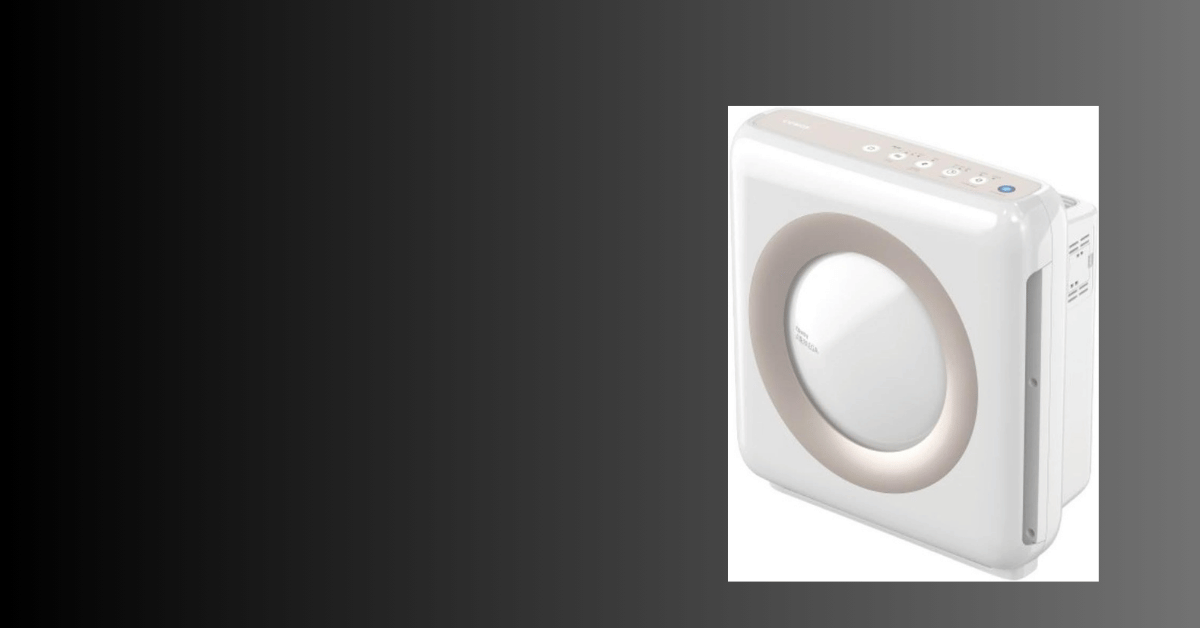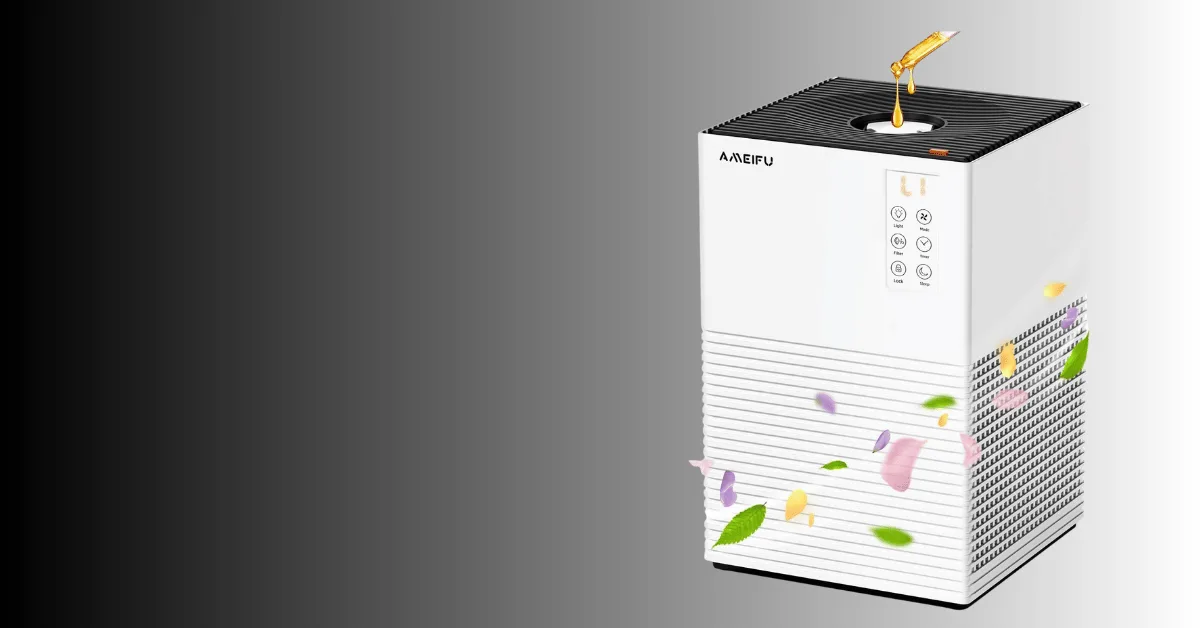
If you are a chain smoker, one of the big problems is that you smoke, which raises concerns in your mind about how to get rid of that smell. Can an air purifier get rid of the cigarette smell
Cigarette smoke is more dangerous than you think. It is a toxic mixture of gases that can give serious health issues as a gift of smoking, several Research proves that long-term exposure may result in serious issues like cancer, asthma, and heart disease.
In this guide, we will cover:
Can an Air Purifier Get Rid of Cigarette Smoke?
How to minimize cigarette smoke indoors
What can air filters do to curb secondhand smoke exposure?
Which air filters capable of eliminating both particles and gases from cigarette smoke are effective?
Does an air purifier remove cigarette smoke- Key takeaway
With HEPA filters, air can be cleaned out, but it will not eliminate odors and gases.
With HEPA filters, odors can be reduced, but harmful particles will remain.
With HEPA and Carbon both filters combined, cigarette smoke is most effectively removed.
Best Air Purifiers for Removing Cigarette Smoke
Cigarette smoke is one of the most challenging indoor air pollutants to remove. This is because both cigarette smoke and its fumes are a dangerous cocktail of tiny particles and noxious gases. If you’re smoke shopping for an air purifier, you’ll need one that uses these two filtration technologies:
-
A HEPA Filter
HEPA filters or vaccine filters are High Efficiency Particulate Air filters that capture no less than 99.7% of fine particles that are 0.3 micrometers.
For us to understand it better, a single strand of human hair is roughly 70 microns wide, a piece of smoke from a cigarette is from 0.01 to 1 microns, averaging 0.3 microns.
As mentioned above, this means a HEPA filter is effective at cigarette smoke collection, thus preventing it from floating around, adding to the irritation in the lungs.
Limitation: HEPA filters can remove tiny particles from the air, but they cannot capture gases or odors. This is particularly relevant to cigarette smoke. This is where the second filter comes in.
-
An Activated Carbon Filter
Deals with odors, chemical vapors, and gases through a process of adsorption.
Here’s how:
As air is drawn through the carbon filter, gases and volatile organic compounds (VOCs) are captured on the porous surface of the Carbon.
This air is now released into the room, significantly devoid of the noxious vapors.
A HEPA Filter would not be sufficient on its own to deal with the poisonous cigarette smoke because it can only address the physical particles. That is why Activated Carbon is effective because it concentrates on the gas phase.
Why You Need Both Filters
HEPA filter: prevents the cigarette fine particles from being inhaled into the lungs.
Activated carbon filter: Eliminates the smoke odors from the room air.
The integrated filters effectively shield against both particulate matter and vapors found in cigarette smoke.
Pro Tip: To achieve optimal results, both filters should be changed every 3 to 6 months, depending on usage and air quality.
Related Article: Does an Air Purifier Help with Carbon Monoxide?
Air Purifiers For Rooms and the Overall Home
When addressing cigarette smoke, a person should think about not only what type of filters are used but also whether the coverage is adequate.
Room Air Purifiers:
Ideal for one or two rooms.
Portable and inexpensive, but with a limited range.
Whole Home Air Purifiers:
Integrated into the HVAC system.
Clean air circulation throughout the house is quiet and efficient.
Long-term cost-effective compared to purchasing several room units.
If cigarette smoke is impacting the entire house, it is sympathetic to think that a whole-home system would be more economical.
Final Thoughts
To effectively remove cigarette smoke from your home:
Use a purifier that has a HEPA and activated carbon filter.
Decide if a room unit or a whole home system is more appropriate.
Regularly change filters to maintain effective performance.
With these components in place, cigarette smoke and its toxins can be minimized indoors. The air quality and freshness will be improved.
A Reality Check: Smoke Residue Cannot be Handled by Purifiers
While airborne smoke can be reduced by a good quality purifier, no amount of cleaning will erase the years of cigarette smoke residue that have been absorbed by the walls, curtains, upholstery, and carpeting.
To restore indoor air quality, the following steps need to be done:
– Close windows and remove curtains to wash them.
– Steam clean the furniture and carpets.
– Repaint the walls to seal in the smoke odor.
– Most importantly, for indoor smoking to be a thing of the past.
Related Article: Can an Air Purifier Remove Odors ?
Before Looking for Air Purifiers, Here’s What You Need to Know
Investing in air purifiers can greatly improve the quality of health and air in one’s space, but picking the right one can be difficult when there is no prior knowledge. Here are a few important things to consider that will come in handy the next time you go air purifier shopping.
Room Space
Each purifier will have a square footage rating, which is the recommended space it best performs and can be used in. This will indicate whether the unit can be used in a small or large room.
Example: The Levoit Core 400s can handle up to 1,980 sq. ft., so it is ideal for large rooms.
On the other hand, the Levoit Core 300s is best for small spaces up to 219 sq. ft.
Another important measurement is the Clean Air Delivery Rate (CADR). This measurement tells you how quickly the air purifier can remove common pollutants such as smoke, dust, and even pollen. CADR is measured in CFM (cubic feet per minute). A higher CADR indicates a faster and more efficient purifier.
Filters
The Air Filter Identification is the most important factor regarding the air purifier’s rate of performance.
HEPA Filters: A must-have for allergy and asthmatic patients. According to the US Department of Energy, HEPA filters must remove at least 99.97% of the pollutants at the size of 0.3 microns.
MERV Rating: Filters have also been assigned a rating by MERV (Minimum Efficiency Reporting Value). The greater the MERV assigned (13-16), the greater the filter efficiency in removing significant-sized particles (0.3-10 microns).
VOCs: People living around construction areas or dealing with indoor chemicals (paints, cleaning, or pesticides) should consider air cleaners with activated carbon filters designed to catch VOCs (volatile organic compounds).
Filter Replacement Costs: Often neglected, ongoing maintenance is an important cost to consider. Filters have a frequent replacement recommendation of 1-3 months. Even with manufacturer suggestions of longer timeframes, these intervals should be factored in.
Features
As with any technological device, extra features can make an air purifier even more user-friendly.
Fan Speeds & Timers: To best adjust the airflow, purifiers can be programmed to work automatically on a user-set schedule.
Air Quality Display: Some units monitor PM2.5 levels in real time, making them ideal for smoke removal.
Quiet Mode: Look for low-decibel models or night-lights for use in the bedroom.
Smart Features: Premium units may offer app control, LCD displays, and multi-function fans that purify and cool the room.
Purifier Change Reminders: Ensures the device remains effective, helping to actively maintain the device’s efficiency.
HEPA vs Carbon vs Both Together
Filter Type What It Removes Limitations Best Use Case
HEPA Filter Particulate matter such as dust, pollen, pet hair, and smoke particles (PM2.5) as small as 0.3 microns get captured. VOCs, Odors, and some gases are unchanged. Works great for allergies, asthma, and wildfire smoke particles.
Activated Carbon Odors such as cigarette smoke, and VOCs, gases, and some chemical vapors are adsorbed. Cannot tackle solid particles like dust, ash, pollen, or smoke. Best for the removal of odor and chemically-hampered air.
HEPA + Carbon removes fine particles, harmful gases such as VOC, and odors. Filters need to be replaced regularly for optimal performance. Overall best for cigarette and tobacco smoke.
Related Article: Do air purifiers help with a Stuffy Nose
Can an Air Purifier Get Rid of Cigarette Smoke? FAQS
Do air purifiers really remove smoke?
Yes. Through two types of filtration, air purifiers remove smoke.
HEPA filters: Capture fine smoke particles (PM2.5) that are harmful to the body when breathed in.
Activated carbon filters: Capture volatile organic compounds (VOCs) and odors from smoke.
Purchasing a true HEPA filter along with a purifier with a high MERV rating and CADR (Clean Air Delivery Rate) compatible with the size of your room will help improve the indoor smoke pollutant levels significantly.
What type of air purifier is best for smoke removal?
The best air purifiers for smoke are those with true HEPA filters. These filters are capable of capturing and retaining 0.3 micron-sized particles with 99% efficiency, making them effective for both cigarette and wildfire smoke.
For best results,
Look for a model with both HEPA and activated carbon filters.
Pick a model certified for the area size of your room for best results.
Check the CADR rating, which indicates how fast the purifier is capable of removing smoke from the air.
What is the price of an air purifier for smoke?
Prices of air purifiers vary from under $100 to over $600 based on features and coverage area.
Replacement filters: These are typically $15. With a replacement frequency of three months, it will lead to around $60 a year.
Multi-part systems: Some models also need pre-filters and carbon filters, which add to the cost.
Energy use: An Energy Star-certified air purifier will cost only a few dollars monthly to operate.
Tip: Buy a unit with a filter change indicator to avoid unnecessary changes to filters and keep money in your pockets longer.
Does an air purifier reduce the smell of cigarette smoke?
Cigarette smoke and its lingering smell can be considerably reduced with an air purifier. For the best results, a purifier with a multi-stage filtration system will be necessary.
HEPA Filter: A filter that captures the finer particles of smoke that create a haze in the air.
Activated Carbon Filter: A filter that captures the gas, sticky tars, and VOCs that cause nasty lingering odors.
The larger the activated carbon filter, the more effective it will be in absorbing the smoke odors. A pre-filter can also aid in absorbing dust and pet hair, which will prolong the lifespan of the HEPA and carbon filters.
For best results, use a purifier specially designed for smoke, keep it running continuously, and change the filters once they are saturated.
How long does it take for an air purifier to remove the smell of smoke?
With air purifiers working overtime, you should see smoke odor reduction within a few hours to a day. However, to entirely get rid of it may take a few days, especially in cases where smoke has already permeated walls, fabric, and furniture. In these scenarios, air purifiers are more effective when combined with deep-cleaning and ample ventilation.
How to filter smoke out of a room?
To smoke a room out and clear it in minutes, focus on airflow, air purification, and odor removers:
Ventilation
Swing open windows and doors to allow air to circulate.
Utilize fans to push smoke out of doors and windows.
Air Purification
Utilize an air purifier with a HEPA filter and an activated carbon filter to absorb odors.
For those on a budget, build a DIY air purifier with a box fan and a MERV 13+ filter to capture 0.3 micron particles circulating in the room.
Odor Removal
Place bowls of white vinegar or baking soda around the room to absorb and neutralize odors.
Simmering water with spices or citrus peels, like cinnamon, releases fresh scents.
Surface and fabric cleaning
Remove smoke residue by dusting and vacuuming regularly.
Wash curtains, bedding, and other fabrics that trap and absorb odors to freshen them.
Seeking Expert Assistance
For extensive or long-lasting smoke damage, seek out a professional restoration service to completely remove persistent odors.
Do air purifiers truly get rid of smoke?
Yes. Air purifiers eliminate smoke through two types of filtration.
HEPA filters: Capture smoke and fine particles of 2.5 microns (PM2.5), which are injurious to health when inhaled.
The activated carbon filters capture odors and smoke’s volatile organic compounds (VOCs).
By getting a genuine HEPA filter and an air purifier with a high MERV rating and CADR (Clean Air Delivery Rate) appropriate for the size of the room, indoor smoke pollutant levels will be significantly improved.
Which air purifier is best for the removal of smoke?
Smoky air is best purified with air purifiers that are equipped with true HEPA filters. These filters are efficient for both cigarette and wildfire smoke as they can capture and retain 0.3 micron-sized particles with 99% efficiency.
For best results,
Purchase a model that has HEPA and activated carbon filters as well.
Do not buy a model with smaller area coverage, as it will not be effective.
Make sure to check the CADR rating, as it indicates the speed of removal of smoke from the air.
Can an air purifier help get rid of cigarette smoke odor?
An air purifier can help reduce the smell of cigarette smoke, although it may not eliminate it entirely. To achieve the best results, the purifier should have a multi-stage air filtration system.
HEPA Filter. This filtration system removes the smoke particles responsible for the haze in the air.
Activated Carbon Filter. This filtration system removes the gas, sticky tars, and VOCs responsible for the stubborn odors.
The effectiveness of the activated carbon filter improves proportionally with its size. A pre-filter can also help capture dust and pet hair, extending the lifespan of the HEPA and carbon filters.
To best reduce the odor of smoke, ensure a purifier designed for smoke is used, it is run nonstop, and filters are replaced when saturated.
How Long Will It Take To Eliminate The Odor Of Smoke With An Air Purifier?
Using an air purifier, you can expect to reduce the odors of smoke within a few hours to a day. However, completely alleviating the odor that smoke has permeated into is a different story. It can take up to a few days to entirely eliminate the smell, particularly in instances where smoke has seeped deeply into walls, fabrics, or furniture. In these cases, air purifiers work best in combination with deep cleaning, thorough washing, and good airflow.
Read More on Air purifiers